Unlocking Cleaner Air: The Role of Nano Nickel in Advanced Pollution Control Devices
Discover how cutting-edge nano nickel for air pollution control devices is revolutionizing air quality management, offering innovative solutions for researchers and industries in India to combat environmental challenges effectively.
Explore NowIntroduction to Nano Nickel for Air Pollution Control
In an era where environmental concerns, particularly air pollution, are at the forefront of global challenges, innovative solutions are more critical than ever. India, with its rapid industrialization and urbanization, faces significant hurdles in maintaining air quality. This is where the remarkable potential of nano nickel for air pollution control devices comes into play. These advanced materials, characterized by their incredibly small size and high surface area, are opening new avenues for effective air filtration and pollutant removal.
The application of nano nickel particles and nickel nanoparticles is transforming traditional air purification methods. Unlike conventional materials, nano nickel offers enhanced catalytic activity, superior adsorption capabilities, and improved durability, making it an ideal candidate for next-generation air pollution control technologies. For Indian researchers and professionals, understanding the nuances of nano nickel application is crucial for developing sustainable and efficient environmental solutions.
This blog post delves into the fascinating world of nano nickel, exploring its synthesis, properties, and diverse applications in combating air pollution. We will highlight its relevance to the Indian R&D landscape and industry, providing insights into how these tiny particles are making a giant impact on our fight for cleaner air. From industrial emissions to indoor air quality, nano nickel technology promises a cleaner, healthier future.
The imperative to innovate in air quality management is clear. With growing awareness and stringent environmental regulations, the demand for high-performance materials like nano nickel is set to surge. This article aims to be a comprehensive resource for anyone interested in the cutting-edge developments in nano nickel for air filtration and its broader implications for environmental science and engineering in India.
Key Benefits of Nano Nickel for Researchers and Professionals
Enhanced Catalytic Activity
Nano nickel exhibits significantly higher catalytic activity compared to bulk nickel due to its increased surface-to-volume ratio. This property is crucial for breaking down gaseous pollutants like CO, NOx, and volatile organic compounds (VOCs) into less harmful substances, making nano nickel for air pollution control devices highly efficient.
Superior Adsorption Capabilities
The large surface area of nickel nanoparticles provides more active sites for the adsorption of various airborne contaminants. This allows for more effective capture and removal of particulate matter and toxic gases from industrial emissions and ambient air, enhancing nano nickel for air filtration systems.
Improved Durability and Stability
When properly synthesized and integrated, nano nickel particles can offer enhanced mechanical strength and thermal stability, leading to longer-lasting air filtration systems and reduced maintenance. This is a significant advantage for industrial applications in India where robust solutions are needed.
Cost-Effectiveness in the Long Run
Despite initial research and development costs, the high efficiency and durability of nano nickel technology can lead to lower operational costs and better performance over the lifespan of air pollution control systems, offering a strong return on investment for industries.
Versatile Application Potential
The adaptability of nano nickel allows its integration into various pollution control devices, from catalytic converters and industrial scrubbers to advanced air purifiers for homes and offices. Its versatility makes it a subject of intense research in nano nickel application development.
Advancing Green Technology
By providing more efficient ways to clean the air, nano nickel contributes significantly to green technology initiatives and sustainable development goals. Researchers in India are actively exploring nano nickel synthesis methods that are environmentally friendly and scalable.
Industry Applications of Nano Nickel in Air Pollution Control
Industrial Emissions Treatment
Nano nickel catalysts are highly effective in treating emissions from factories, power plants, and other industrial facilities. They can efficiently convert harmful gases like carbon monoxide (CO), nitrogen oxides (NOx), and sulfur oxides (SOx) into less toxic compounds, crucial for industries in India to meet environmental standards.
Automotive Catalytic Converters
The automotive sector can benefit immensely from nickel nanoparticles. Integrating nano nickel into catalytic converters can improve the efficiency of exhaust gas purification, reducing vehicle emissions and contributing to cleaner urban air, a critical need in Indian cities.
Advanced Air Filtration Systems
High-efficiency particulate air (HEPA) filters and other advanced air filtration systems can be enhanced with nano nickel for air filtration. These filters can capture ultra-fine particulate matter and even some gaseous pollutants more effectively, providing cleaner indoor and outdoor environments.
Odor and VOC Removal
Beyond traditional pollutants, nano nickel particles show promise in removing unpleasant odors and volatile organic compounds (VOCs) from various environments. This is particularly useful in manufacturing facilities, waste treatment plants, and even commercial buildings.
Water Treatment Technologies
While primarily focused on air, the catalytic properties of nano nickel also extend to water purification, where it can degrade organic pollutants and heavy metals. This cross-application potential makes nano nickel technology a versatile material for environmental remediation.
Biomedical Air Sterilization
In healthcare settings, the antimicrobial properties of certain nano nickel applications can be leveraged for air sterilization, helping to reduce the spread of airborne pathogens and create safer environments for patients and medical staff.
India-Specific Opportunities and Trends in Nano Nickel Technology
India is at the cusp of a technological revolution, and the field of nanotechnology, particularly nano nickel, presents immense opportunities. With a burgeoning research ecosystem and a strong emphasis on sustainable development, the demand for advanced materials like nano nickel for air pollution control devices is growing exponentially. Indian institutions and industries are increasingly investing in R&D to harness the power of nickel nanoparticles for local challenges.
One significant trend is the focus on developing cost-effective and scalable nano nickel synthesis methods. Researchers are exploring various techniques to produce high-quality nano nickel particles that are both efficient and economically viable for widespread adoption. This includes green synthesis approaches that minimize environmental impact during production.
The "Make in India" initiative further encourages the indigenous production and application of advanced materials. This provides a fertile ground for the nano nickel industry to flourish, creating new jobs and fostering innovation within the country. Collaborations between academic institutions, research labs, and industrial partners are key to accelerating the development and deployment of nano nickel application in various sectors.
Furthermore, the push for electric vehicles (EVs) and renewable energy sources in India also indirectly boosts the research into nano nickel in batteries and fuel cells. While not directly for air pollution control, advancements in these areas often lead to synergistic discoveries that can benefit other nano nickel uses, including environmental applications.
The government's increasing focus on smart cities and sustainable infrastructure projects also creates a strong market for innovative air purification solutions. This is where nano nickel for air filtration can play a pivotal role, offering advanced capabilities for urban air quality management. The integration of IoT and AI with nano nickel technology in air monitoring and purification systems represents another exciting frontier.
In summary, the landscape for nano nickel in India is vibrant with opportunities. From fundamental research in nano nickel synthesis to practical nano nickel application in diverse industries, the nation is poised to become a leader in harnessing this advanced material for a cleaner, healthier future.
Frequently Asked Questions about Nano Nickel
Related Nano Nickel Products for Your Research

Nickle Nanopowder (70nm)
View Product
Nickel Nanopowder (20nm)
View Product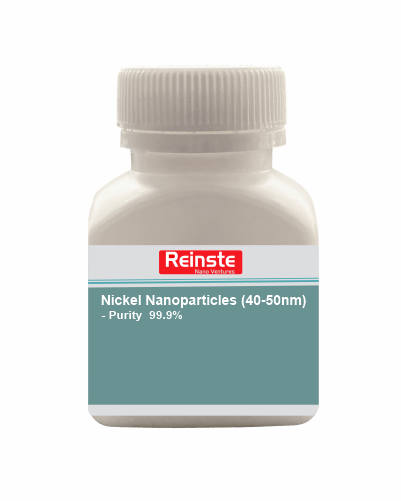
Nickel nanoparticles (40-50nm)
View Product
Nickel nanoparticles APS: ca. 50 nm
View ProductReady to Advance Your Research with Nano Nickel?
Explore our comprehensive range of high-quality nano nickel products and discover how they can empower your innovations in air pollution control and beyond. Contact us today for expert guidance and customized solutions.
Get in Touch