Nickel Nanoparticles: Unveiling Properties, Synthesis, and Applications for Indian Researchers and Industry
Dive into the microscopic world of nickel nanoparticles and discover their profound impact on various scientific and industrial sectors, with a special focus on their relevance to India's burgeoning R&D landscape.
Explore Nano Nickel SolutionsThe Microscopic Marvel: Introduction to Nickel Nanoparticles
In the dynamic realm of materials science, nickel nanoparticles stand out as a class of materials garnering immense attention from researchers and industries worldwide, including a rapidly growing interest within India. These minuscule particles, typically ranging from 1 to 100 nanometers in diameter, exhibit extraordinary properties that are vastly different from their bulk counterparts. This unique behavior stems from their high surface-to-volume ratio and quantum mechanical effects, opening doors to unprecedented applications.
For Indian researchers and professionals, understanding nano nickel properties is crucial. India's scientific community is at the forefront of exploring advanced materials, and nickel nanoparticles offer a versatile platform for innovation across various sectors. From enhancing catalytic processes to revolutionizing energy storage, the potential of these tiny particles is immense. This guide aims to provide a comprehensive overview, shedding light on their synthesis, characteristics, and the burgeoning opportunities they present for India's scientific and industrial growth.
The relevance of nickel nanoparticles in India extends beyond mere academic interest. With a strong emphasis on indigenous research and development, areas like sustainable energy, advanced manufacturing, and healthcare are actively seeking novel materials. Nano nickel applications are perfectly poised to address many of these challenges, offering solutions that are both efficient and economically viable. As we delve deeper, we will explore how these nanoparticles are shaping the future of technology in India and globally.
Key Benefits of Nickel Nanoparticles for Researchers
The unique characteristics of nickel nanoparticles offer a myriad of advantages that drive their extensive research and development. Here are some primary benefits for researchers:
- Enhanced Catalytic Activity: Due to their high surface area, nickel nanoparticles exhibit superior catalytic properties, making them ideal for various chemical reactions, including hydrogenation, oxidation, and organic synthesis. This is a critical aspect of nano nickel research.
- Unique Magnetic Properties: Unlike bulk nickel, nano nickel can display superparamagnetism, which is highly advantageous for applications in data storage, biomedical imaging, and magnetic fluid technology.
- Enhanced Mechanical Strength: When incorporated into composites, nickel nanoparticles can significantly improve the mechanical properties of materials, leading to stronger and more durable products.
- Superior Electrical Conductivity: Their nanoscale dimensions can lead to improved electrical conductivity, making them valuable in electronics and conductive coatings. This is a key aspect of nano nickel properties.
- Versatility in Synthesis: Researchers have developed various methods for nano nickel synthesis, allowing for precise control over size, shape, and surface chemistry, tailoring them for specific applications. This flexibility is critical for advanced materials development.
Diverse Applications of Nano Nickel Across Industries
The unique properties of nickel nanoparticles translate into a wide array of industrial and technological applications, making them indispensable in modern advancements. Here are some key areas where nano nickel applications are making a significant impact:
1. Advanced Catalysis
Nickel nanoparticles are exceptional catalysts for numerous chemical reactions, including hydrogenation, carbon dioxide reduction, and fuel cell reactions. Their high surface area and unique electronic structure significantly boost reaction rates and selectivity, making industrial processes more efficient and environmentally friendly. This is a cornerstone of nano nickel uses in chemical manufacturing.
2. Energy Storage Devices
In the quest for better energy solutions, nickel nanoparticles are vital components in advanced batteries (e.g., Ni-MH batteries), supercapacitors, and fuel cells. Their excellent electrical conductivity and electrochemical activity improve charge/discharge rates and overall energy density, crucial for portable electronics and electric vehicles.
3. Sensors and Electronics
The sensitivity of nickel nanoparticles to their environment makes them ideal for various sensing applications, including gas sensors, biosensors, and magnetic sensors. In electronics, they are used in conductive inks, electromagnetic shielding, and as components in miniaturized devices, showcasing their role in nano nickel technology.
4. Protective Coatings and Composites
Incorporating nano nickel coating into materials enhances their hardness, wear resistance, and corrosion protection. They are also used to create advanced composites with improved mechanical, thermal, and magnetic properties, finding applications in aerospace, automotive, and defense sectors.
5. Biomedical Field
In medicine, nickel nanoparticles are being explored for targeted drug delivery, hyperthermia treatment for cancer, and as contrast agents in magnetic resonance imaging (MRI). Their magnetic properties are particularly useful for controlled manipulation in biological systems.
6. Advanced Magnetic Materials
Beyond sensors, the unique magnetic characteristics of nano nickel are harnessed in the development of high-density magnetic recording media, magnetic refrigerants, and various spintronic devices, pushing the boundaries of magnetic technology.
Emerging Opportunities and Trends in Nano Nickel Research in India
India's scientific landscape is witnessing a significant surge in interest and investment in nanotechnology, with nickel nanoparticles at the forefront of this revolution. The nation's robust R&D infrastructure, coupled with a growing demand for advanced materials, creates fertile ground for innovation in this domain. Indian researchers are actively exploring novel methods for nano nickel synthesis, focusing on cost-effective and scalable production techniques that are suitable for industrial adoption.
One of the prominent trends in India is the application of nano nickel in sustainable energy solutions. With a strong national agenda for renewable energy, there's immense research directed towards using these nanoparticles in efficient catalysts for hydrogen production, advanced electrodes for solar cells, and high-performance components for fuel cells. This aligns perfectly with India's energy security goals and its commitment to reducing carbon emissions, highlighting the critical role of nano nickel applications in green technology.
Furthermore, the nano nickel market in India is poised for substantial growth. Industries such as automotive, electronics, and defense are increasingly integrating nanomaterials to enhance product performance and longevity. The focus on developing indigenous capabilities means a greater emphasis on local production and tailored solutions. Research into nano nickel coating for corrosion resistance in harsh Indian climatic conditions, and the use of nano nickel in advanced sensors for environmental monitoring, are becoming key areas of focus.
Academic and industrial collaborations are also flourishing, leading to rapid advancements in nano nickel technology. Government initiatives and funding for nanotechnology research are encouraging young scientists and engineers to delve into areas like nano nickel particle size analysis and the development of new functionalities based on precise control over nano nickel properties. This collaborative ecosystem is crucial for translating laboratory breakthroughs into marketable products, positioning India as a significant player in global nickel nanoparticles research and innovation.
The future of nano nickel uses in India looks promising, with ongoing research into biomedical applications, advanced magnetic materials for data storage, and next-generation catalytic converters. As the understanding of these materials deepens, so too will their integration into everyday technologies, driving economic growth and technological self-reliance for the nation.
Frequently Asked Questions About Nickel Nanoparticles
Explore Related Nickel Nanoparticle Products
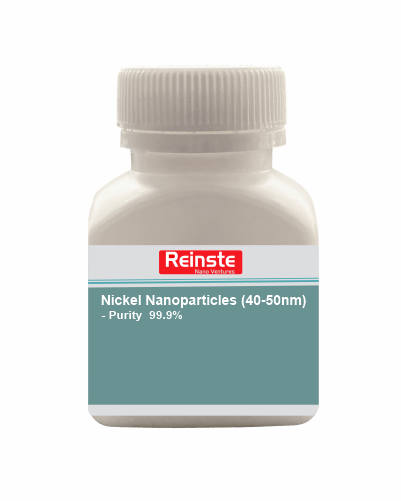
Enhance your research and industrial applications with high-quality nickel nanoparticles from our curated selection. These products are ideal for various uses, from advanced catalysis to energy storage and specialized coatings.


Ready to Advance Your Research with Nano Nickel?
Whether you're a researcher, an industry professional, or an innovator, the potential of nickel nanoparticles is boundless. Connect with us to explore how these advanced materials can revolutionize your projects and drive future breakthroughs in India and beyond. From understanding nano nickel properties to sourcing high-quality materials, we are here to support your journey.
Contact Our ExpertsGet in Touch with Reinste
Have questions about nickel nanoparticles, their synthesis, or specific applications? Fill out the form below, and our team of experts will get back to you promptly.