Nano Nickel Technology for Oil Cleanup: A Game-Changer for Indian Industry & Research
Discover how advanced nano nickel solutions and nanoparticles are revolutionizing environmental remediation, offering efficient and sustainable methods for tackling oil spills and industrial pollutants, with immense potential for India's scientific and industrial landscape.
Explore Nano Nickel SolutionsIntroduction to Nano Nickel for Environmental Remediation
India, with its vast coastline and burgeoning industrial sector, faces significant environmental challenges, particularly concerning oil spills and industrial wastewater contamination. Traditional methods for oil cleanup are often resource-intensive, inefficient, and can themselves contribute to secondary pollution. This is where the groundbreaking potential of nano nickel technology emerges as a beacon of hope. Nanomaterials, specifically nano nickel nanoparticles, possess unique properties such as high surface area, magnetic capabilities, and catalytic activity, making them exceptionally effective for environmental remediation.
The application of nano nickel for oil cleanup is not merely an academic pursuit; it represents a practical, scalable, and environmentally conscious approach to a global problem. For Indian researchers and professionals, understanding and leveraging these advanced materials can lead to the development of indigenous, cost-effective solutions tailored to the nation's specific ecological and industrial needs. This blog delves into the mechanics, benefits, and future prospects of integrating nano nickel solutions into India's environmental protection strategies, fostering a deeper appreciation for nanotechnology's role in a sustainable future.
From marine environments affected by oil tanker incidents to industrial effluents laden with hydrocarbons, the versatility of nano nickel technology offers a multi-faceted approach. Its ability to efficiently adsorb and degrade pollutants, coupled with the ease of magnetic separation for recovery and reuse, positions it as a superior alternative to conventional sorbents and dispersants. As India continues its rapid economic growth, the imperative to adopt cleaner technologies becomes paramount, and nano nickel stands ready to answer this call, promising a cleaner, healthier environment for generations to come.
Key Benefits of Nano Nickel Technology for Researchers & Industry
Enhanced Adsorption Efficiency
Nano nickel nanoparticles offer an extraordinarily high surface-area-to-volume ratio, allowing for superior adsorption of hydrocarbons from contaminated water and soil. This translates to more effective and rapid removal of pollutants compared to bulk materials, making nano nickel oil cleanup highly efficient.
Magnetic Separability for Easy Recovery
A significant advantage of magnetic nano nickel solutions is their easy separation from the treated environment using external magnetic fields. This eliminates the need for complex and costly filtration systems, reducing operational expenses and preventing secondary pollution, a crucial factor in large-scale cleanup operations.
Cost-Effectiveness and Reusability
The reusability of nano nickel nanoparticles after regeneration contributes to a more cost-effective solution in the long run. Their high efficiency means less material is needed, further reducing overall expenses for environmental remediation projects, especially vital for developing nations like India.
Reduced Secondary Pollution
Unlike chemical dispersants that can introduce new toxins into the ecosystem, nanotechnology for oil cleanup with nano nickel aims to remove pollutants without adding harmful byproducts. The ability to recover the nanoparticles also minimizes their release into the environment, promoting cleaner outcomes.
Versatility Across Pollutant Types
Nano nickel technology is not limited to a single type of oil or hydrocarbon. Its unique surface chemistry allows it to be effective against a broad spectrum of petroleum products and organic pollutants, making it a versatile tool for various environmental contamination scenarios.
Catalytic Degradation Potential
Beyond simple adsorption, certain forms of nano nickel can act as catalysts, facilitating the degradation of complex hydrocarbons into less harmful compounds. This dual functionality enhances the overall effectiveness of the cleanup process, offering a more complete remediation solution.
Diverse Applications of Nano Nickel in Industry
Marine Oil Spill Remediation
The most prominent application of nano nickel for oil cleanup is in marine environments. Its magnetic properties allow for efficient collection of oil from vast water bodies, significantly reducing the ecological impact of major spills and protecting sensitive coastal ecosystems. This is critical for India's extensive coastline.
Industrial Wastewater Treatment
Industries like petrochemicals, textiles, and manufacturing often generate wastewater contaminated with oils and organic pollutants. Nano nickel technology provides an advanced method to treat these effluents, ensuring compliance with environmental regulations and promoting water reuse, a vital aspect for water-stressed regions.
Petrochemical Industry Cleanup
Within the petrochemical sector, accidental leaks or routine operations can lead to localized oil contamination. Nano nickel solutions can be deployed for localized cleanup, offering rapid and effective removal of hydrocarbons from equipment, storage areas, and surrounding soil, minimizing operational downtime.
Soil Contamination Treatment
Oil spills and industrial waste can severely contaminate agricultural land and urban soil. Nano nickel nanoparticles can be integrated into soil remediation techniques to extract or degrade entrenched pollutants, restoring soil fertility and making land safe for reuse, an urgent need in densely populated areas.
Research & Development in Nanomaterials
Beyond direct cleanup, the development and synthesis of novel nano nickel nanoparticles and composites continue to be a fertile ground for research. Indian institutions are actively exploring new architectures and surface modifications to enhance efficiency and reduce costs, driving innovation in the nano nickel industry.
Air Purification Systems
While primarily known for liquid cleanup, the catalytic properties of nano nickel also find applications in air purification. They can help in the breakdown of volatile organic compounds (VOCs) and other gaseous pollutants, contributing to cleaner air quality in industrial settings and urban environments.
India's Horizon: Opportunities & Trends in Nano Nickel Technology
India is rapidly emerging as a global hub for scientific research and technological innovation, with nanotechnology at the forefront. The growing emphasis on environmental sustainability and the "Make in India" initiative creates unparalleled opportunities for the advancement and adoption of nano nickel technology. Indian researchers and entrepreneurs are uniquely positioned to develop bespoke nano nickel solutions that address local environmental challenges while contributing to the global nanotechnology for oil cleanup market.
A key trend is the increasing investment in R&D by both public and private sectors. Government bodies like the Department of Science & Technology (DST) and various state-level initiatives are funding projects focused on advanced materials for environmental applications. This support is crucial for scaling up laboratory-level innovations into industrial-grade solutions. The focus on developing indigenous capabilities means a greater demand for high-quality nano nickel nanoparticles and related technologies, fostering a robust domestic supply chain.
Furthermore, the integration of Artificial Intelligence (AI) and Machine Learning (ML) with nanotechnology is an exciting development. Predictive modeling for oil spill trajectories combined with smart deployment of nano nickel for oil spill cleanup technology can drastically improve response times and effectiveness. Collaboration between academic institutions, research labs, and industrial partners is also on the rise, creating an ecosystem conducive to rapid innovation and commercialization. The nano nickel market trends indicate a steady growth, driven by stringent environmental regulations and the increasing frequency of environmental disasters.
The potential for export of India-developed nano nickel applications is also significant. As global demand for efficient and eco-friendly cleanup methods grows, India's expertise in this field could position it as a leader. Moreover, exploring the nano nickel environmental impact through rigorous lifecycle assessments and developing sustainable production methods for these nanoparticles will be critical for long-term success. This holistic approach ensures that while we solve one environmental problem, we do not inadvertently create another, aligning with India's commitment to sustainable development.
Frequently Asked Questions about Nano Nickel Technology


Ready to Advance Your Research or Industry with Nano Nickel?
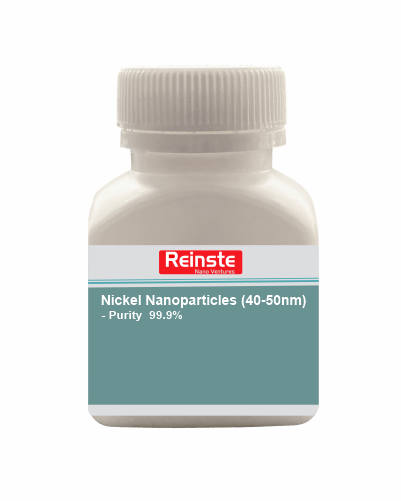
Connect with Reinste experts to explore bespoke nano nickel solutions, access high-quality nano nickel nanoparticles, and discuss how this cutting-edge nanotechnology for oil cleanup can benefit your projects.
Contact Our Experts Today