Nano Nickel in Water Treatment: A Frontier for Indian Researchers and Industry
Discover how nickel nanoparticles are revolutionizing water purification, offering sustainable and efficient solutions for India's pressing water challenges.
Learn MoreUnlocking Purity: The Rise of Nano Nickel in Water Treatment
Water scarcity and contamination are critical challenges globally, and India, with its rapidly growing population and industrialization, faces these issues acutely. Traditional water treatment methods, while effective to a degree, often fall short when dealing with emerging contaminants, complex industrial effluents, and the need for decentralized, cost-effective solutions. This is where the burgeoning field of nanotechnology, particularly the application of nano nickel in water treatment, presents a transformative paradigm.
Nickel nanoparticles, due to their unique physical and chemical properties – including a high surface-to-volume ratio, enhanced reactivity, and catalytic capabilities – are emerging as powerful tools in the arsenal against water pollution. Indian researchers and professionals are at the forefront of exploring these innovative water treatment technologies, aiming to develop sustainable and efficient methods for purifying water for both industrial and domestic consumption. The potential of nanomaterials for water purification, specifically those incorporating nano nickel, promises a cleaner, healthier future.
From removing heavy metals and organic pollutants to combating microbial contaminants, nano nickel water treatment is not just an academic pursuit but a practical solution with immense relevance to India's environmental and public health agenda. This article delves into the multifaceted aspects of nano nickel, its applications, benefits, and the exciting opportunities it presents for the Indian scientific and industrial landscape.
Why Nano Nickel is a Game-Changer for Indian Researchers
-
High Efficiency in Pollutant Removal
Nano nickel exhibits exceptional adsorption and catalytic capabilities, making it highly effective in removing a wide range of contaminants, including heavy metal ions (like lead, cadmium, arsenic), organic dyes, pesticides, and pharmaceutical residues, often outperforming conventional adsorbents.
-
Novel Solutions for Complex Contaminants
Researchers can develop innovative solutions for previously hard-to-treat pollutants. The unique properties of nickel nanoparticles allow for the degradation of persistent organic pollutants and the inactivation of antibiotic-resistant bacteria, opening new avenues in water treatment technologies.
-
Cost-Effectiveness and Sustainability
While initial synthesis might seem complex, the potential for regeneration and reuse of nano nickel materials can lead to long-term cost savings. Furthermore, its high efficiency means less material is needed, contributing to more sustainable nanomaterials for water purification.
-
Enhanced Reaction Kinetics
The large surface area of nano nickel significantly increases reaction rates, allowing for faster contaminant removal and higher throughput in water treatment systems. This is crucial for developing rapid and efficient purification processes.
-
Versatile Application Platforms
Nano nickel can be integrated into various forms, such as membranes, filters, and adsorbents, providing flexibility in designing different types of water purification systems. This versatility supports diverse research projects from lab-scale to pilot-scale applications.
-
Environmental Impact Reduction
By effectively removing pollutants, nano nickel water treatment contributes to reducing the overall environmental footprint of industrial and municipal wastewater. Researchers can focus on developing greener synthesis methods and safe disposal strategies for these advanced materials.
Transforming Industries: Key Applications of Nano Nickel in Water Treatment
Industrial Wastewater Treatment
Industries like textiles, pharmaceuticals, and electroplating generate wastewater laden with heavy metals and complex organic compounds. Nano nickel can effectively adsorb and degrade these pollutants, making industrial effluents safer for discharge or reuse. Its high reactivity makes it ideal for challenging industrial scenarios, enhancing the efficacy of nano nickel water treatment.
Potable Water Purification
Ensuring access to clean drinking water is paramount. Nickel nanoparticles can be integrated into point-of-use filters or larger municipal systems to remove microbial contaminants, arsenic, fluoride, and other harmful substances, providing safe and clean water to communities, especially in rural India where access to advanced water treatment technologies is limited.
Heavy Metal Removal
One of the most significant applications of nano nickel is its unparalleled ability to sequester heavy metals from water. Its large surface area provides ample sites for adsorption and reduction reactions, making it a superior choice for environments contaminated with lead, mercury, chromium, and cadmium.
Dye Degradation
The textile industry generates vast amounts of colored wastewater. Nano nickel applications include the catalytic degradation of recalcitrant organic dyes into less harmful substances, offering an eco-friendly alternative to conventional chemical treatments that often produce secondary pollutants.
Pesticide and Herbicide Remediation
Agricultural runoff often introduces pesticides and herbicides into water bodies. Nano nickel can effectively break down these complex organic molecules, mitigating their toxic effects and protecting aquatic ecosystems and human health. This is particularly crucial for regions with intensive agriculture.
Antimicrobial Water Purification
Beyond chemical pollutants, nano nickel also exhibits antimicrobial properties. It can be utilized to inactivate bacteria, viruses, and other pathogens, providing an additional layer of protection in water purification systems, which is vital for preventing waterborne diseases.
India's Water Future: Opportunities & Trends in Nano Nickel Technology
The landscape for nano nickel water treatment in India is ripe with opportunities. With initiatives like the 'Jal Jeevan Mission' emphasizing access to safe and adequate drinking water, there's a strong governmental push and funding available for innovative water treatment technologies. Indian research institutions and universities are increasingly focusing on nanotechnology, leading to a surge in studies on nickel nanoparticles and their environmental applications.
A key trend is the development of hybrid nanomaterials for water purification, combining nano nickel with other materials like graphene, carbon nanotubes, or metal oxides to enhance performance, selectivity, and stability. Researchers are also exploring sustainable synthesis methods for nano nickel powder, aiming for greener production processes that minimize environmental impact and reduce costs, making these technologies more accessible for widespread adoption.
Furthermore, the demand for decentralized water purification systems in rural and remote areas of India creates a significant market for compact and efficient nano nickel technology. Start-ups and established companies are looking into commercializing these advanced solutions, fostering collaborations between academia and industry. The focus is not just on purification but also on monitoring and sensing, where nano nickel in catalysis plays a crucial role in developing highly sensitive sensors for real-time water quality assessment. The future of nano nickel applications in India's water sector looks promising, driven by both necessity and innovation.
The adoption of nano nickel electroplating techniques for creating robust and corrosion-resistant water treatment components is another area gaining traction, ensuring the longevity and efficiency of purification systems. Overall, the collective efforts in research, development, and policy support are positioning India as a significant player in advancing nano nickel water treatment solutions globally.
Frequently Asked Questions about Nano Nickel Water Treatment
What is nano nickel and how is it used in water treatment?
What are the advantages of using nano nickel in water purification over traditional methods?
Are there any environmental or health concerns associated with nano nickel in water treatment?
How is nano nickel synthesized for water treatment applications?
What role does nano nickel play in addressing India's water challenges?
Explore Our Related Nano Nickel Products


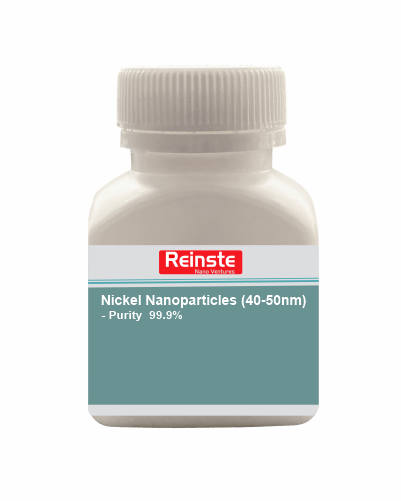
Ready to Advance Your Research in Nano Nickel?
Whether you're an Indian researcher, an industry professional, or an academic, explore our range of high-quality nickel nanoparticles and related materials to drive your innovations in water treatment.
Get in Touch with Our Experts