Nano Nickel in Solar Cells: Catalyzing India's Renewable Energy Future
Explore the transformative potential of Nano Nickel in solar cell technology, its applications, and the emerging opportunities for Indian researchers and professionals. Discover how Nano Nickel is revolutionizing renewable energy solutions in India.
Explore NowIntroduction to Nano Nickel in Solar Cell Technology
India stands at the cusp of a renewable energy revolution, driven by ambitious targets and a growing demand for sustainable power solutions. At the heart of this transformation lies cutting-edge material science, with Nano Nickel in Solar Cells emerging as a pivotal innovation. This comprehensive guide is tailored for Indian researchers, scientists, and industry professionals eager to explore the profound impact of nanotechnology on solar energy. We delve into how Nano Nickel, with its extraordinary properties at the nanoscale, is not just incrementally improving, but fundamentally reshaping the efficiency, cost-effectiveness, and environmental footprint of solar technology.
The global energy landscape is rapidly shifting towards cleaner, greener alternatives, and solar power leads this charge. However, persistent challenges such as the high cost of materials, limitations in energy conversion efficiency, and the need for more robust and durable solar components continue to demand innovative solutions. This is precisely where Nano Nickel Nanotechnology offers a compelling answer. By manipulating nickel at the atomic and molecular levels, we unlock a spectrum of unique optical, electrical, and catalytic properties that are unavailable in its bulk form. These nanoscale attributes enable superior light absorption, more efficient charge separation, and enhanced electron transport within solar cells, directly translating to higher power output and a prolonged operational life.
For the Indian context, the relevance of Nano Nickel in Solar Cells cannot be overstated. With vast solar potential and a strategic push towards energy independence, India requires solutions that are not only technologically advanced but also economically viable and scalable for diverse environments, from arid deserts to bustling urban rooftops. This blog will meticulously explore the multifaceted Nano Nickel Applications within solar technology, from its fundamental science to its practical implications, shedding light on the immense opportunities it presents for India's scientific and industrial communities to lead in the global renewable energy domain. Understanding the latest advancements in Nano Nickel Electrode materials and Nano Nickel Coatings is paramount for those looking to contribute to India's sustainable energy future.
Key Benefits of Nano Nickel for Indian Researchers
- Enhanced Efficiency: The primary allure of Nano Nickel in Solar Cells lies in its ability to dramatically improve power conversion efficiency. At the nanoscale, nickel exhibits plasmonic effects and increased surface area, leading to superior light trapping capabilities and more efficient generation of electron-hole pairs. This means solar cells can harvest more energy from incident sunlight, a critical factor for maximizing output in India's varied solar irradiance zones. Researchers can leverage these properties to design novel solar cell architectures that push the boundaries of energy harvesting.
- Substantial Cost Reduction: One of the most significant barriers to widespread solar adoption has been the cost of materials. Unlike expensive noble metals such as platinum or silver, Nano Nickel is a more abundant and significantly less costly alternative. Utilizing Nano Nickel Electrode materials and other components can substantially reduce the manufacturing costs of solar cells, making renewable energy solutions more affordable and accessible for a broader segment of the Indian population and industry. This economic advantage is crucial for achieving scale in solar deployment.
- Improved Stability and Durability: Solar cells deployed in India face diverse and often harsh environmental conditions, including high temperatures, humidity, and dust. Nano Nickel Coatings and composites offer enhanced mechanical strength and chemical stability to solar cell components. This increased robustness translates into a longer operational lifespan for solar panels, reducing maintenance requirements and ensuring consistent performance over many years, which is vital for long-term energy security.
- Versatility Across Solar Technologies: The Nano Nickel Applications are not confined to traditional silicon-based solar cells. Its unique properties make it highly suitable for next-generation solar technologies, including flexible solar cells, transparent electrodes for building-integrated photovoltaics (BIPV), and even advanced photocatalytic systems for hydrogen production. This versatility opens up exciting new research avenues for Indian scientists to innovate and diversify renewable energy portfolios.
- Environmentally Sustainable Material: Nickel is a relatively abundant element, and the processes for synthesizing Nano Nickel Nanoparticles can be designed to be more environmentally friendly compared to the extraction and processing of some other conventional solar cell materials. This aligns perfectly with India's commitment to sustainable development and reducing its carbon footprint, offering a greener pathway for material sourcing in the renewable energy sector.
- Advanced Electrode Performance: The high surface-to-volume ratio and excellent catalytic properties of Nano Nickel Nanoparticles are particularly advantageous for developing high-performance electrodes. This is crucial for emerging solar cell technologies like dye-sensitized solar cells (DSSCs) and perovskite solar cells, where efficient charge transfer at the electrode-electrolyte interface is paramount. Indian researchers can harness this to develop more efficient and stable next-generation solar devices, further expanding the Nano Nickel Market.
Transformative Applications of Nano Nickel in Industry
High-Efficiency Solar Panels
The most direct and impactful application of Nano Nickel in Solar Cells is in enhancing the performance of photovoltaic panels. By incorporating Nano Nickel Nanoparticles into the active layers, transparent conductive electrodes, or as plasmonic enhancers, solar cells can absorb a broader spectrum of light and convert it into electricity with greater efficiency. This is particularly beneficial for India, where maximizing energy generation from available land area is crucial, especially in densely populated urban centers or large-scale solar farms. The use of Nano Nickel Electrode materials can lead to thinner, more flexible, and more robust solar panels.
Advanced Energy Storage Systems
Beyond direct solar energy conversion, Nano Nickel Applications play a critical role in the broader renewable energy ecosystem, particularly in energy storage. Nano-structured nickel materials are excellent candidates for electrodes in advanced batteries (e.g., Nickel-Metal Hydride, Lithium-ion) and supercapacitors. Their high surface area and excellent electrical conductivity improve energy density, power output, and charge-discharge cycle life. This is vital for stabilizing the grid, integrating intermittent renewable sources like solar, and powering electric vehicles, all key areas for India's energy security and environmental goals.
Photocatalysis and Green Hydrogen Production
The catalytic properties of Nano Nickel Nanotechnology are being harnessed for efficient photocatalysis, particularly in the production of green hydrogen. Using sunlight to split water molecules into hydrogen and oxygen is a clean and sustainable method for fuel generation. Nano Nickel acts as a highly effective co-catalyst, significantly enhancing the efficiency of these reactions. This application holds immense promise for India's burgeoning green hydrogen mission, offering a pathway to decarbonize hard-to-abate sectors and establish a hydrogen economy.
Flexible and Transparent Solar Cells
The advent of Nano Nickel has opened doors for revolutionary solar cell designs. Its ability to form highly conductive and transparent films makes it ideal for flexible solar cells that can be integrated into textiles, portable electronics, and even curved surfaces. Furthermore, Nano Nickel Coatings can be used to create transparent electrodes for building-integrated photovoltaics (BIPV), turning windows and building facades into energy generators. These innovations can significantly expand the Nano Nickel Market by enabling new aesthetic and functional applications for solar technology in India's modern infrastructure development.
India-Specific Opportunities and Emerging Trends in Nano Nickel Technology
The landscape for Nano Nickel in Solar Cells in India is characterized by dynamic growth, strategic governmental support, and a burgeoning research ecosystem. For Indian researchers and professionals, this translates into a wealth of opportunities to contribute to and benefit from the nation's renewable energy surge.
A significant trend is the strong emphasis on indigenous research and development. Government initiatives, such as the National Solar Mission, and increased funding for advanced materials and nanotechnology through bodies like the Department of Science & Technology and the Council of Scientific & Industrial Research (CSIR), are creating a fertile ground for innovation. Indian academic institutions and national research laboratories are actively engaged in the synthesis, characterization, and application of various Nano Nickel Nanoparticles. The focus is not just on fundamental science but also on developing scalable and cost-effective production methods that are crucial for commercialization within the Indian market. This push for localized manufacturing under the "Make in India" initiative provides a strong impetus for domestic production of high-quality Nano Nickel Electrode materials and other essential components, reducing reliance on imports and fostering self-sufficiency.
Furthermore, there is a growing trend of collaborative partnerships between Indian universities, research institutes, and private industries. These collaborations are vital for bridging the gap between laboratory breakthroughs and commercial products, accelerating the translation of cutting-edge research into tangible solar energy solutions. The goal is to rapidly deploy advanced solar technologies that are robust, efficient, and tailored to India's unique climatic and economic conditions. The burgeoning Nano Nickel Market in India is also being driven by increased awareness of its advantages over conventional materials, leading to greater industrial adoption.
Another exciting trend involves the exploration of hybrid materials. Indian researchers are actively investigating the synergistic effects of combining Nano Nickel with other nanomaterials, such as graphene, carbon nanotubes, or various metal oxides. These hybrid structures often exhibit superior properties compared to individual components, leading to even higher solar cell efficiencies, enhanced stability, and novel functionalities. For instance, composite Nano Nickel Coatings with other materials could offer multi-functional properties like anti-reflection and self-cleaning capabilities, crucial for maintaining performance in dusty Indian environments.
The demand for skilled professionals in Nano Nickel Nanotechnology and its applications in renewable energy is also on the rise, creating career opportunities for young scientists and engineers. India's commitment to achieving its climate goals and becoming a global leader in renewable energy ensures that research and development in areas like Nano Nickel in Solar Cells will remain a top priority, offering a bright future for those involved in this cutting-edge field and expanding the range of Nano Nickel Uses across various sectors.
Frequently Asked Questions about Nano Nickel in Solar Cells
Explore Related Nano Nickel Products

Nickle Nanopowder (70nm)
View Product
Nickel Nanopowder (20nm)
View Product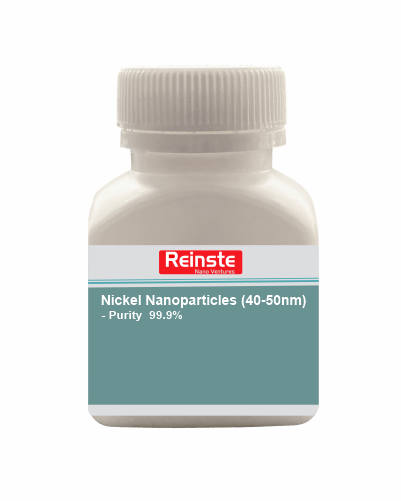
Nickel nanoparticles (40-50nm)
View Product
Nickel nanoparticles APS: ca. 50 nm
View ProductReady to Advance Your Research in Nano Nickel?
Dive deeper into our extensive range of high-quality Nano Nickel products and materials, perfect for cutting-edge solar cell development and other nanotechnology applications.
Explore Our Nano Nickel Products