
Nano Nickel in Renewable Energy Technologies: Powering India's Sustainable Future
Explore how advanced nano nickel materials are revolutionizing energy storage, catalysis, and conversion, driving India's journey towards a greener and more sustainable energy landscape.
Explore Nano Nickel InnovationsIntroduction: Nano Nickel's Role in India's Green Energy Revolution
In the relentless pursuit of sustainable energy solutions, nanotechnology has emerged as a game-changer, with nano nickel standing at the forefront of this revolution. For Indian researchers and professionals, understanding the multifaceted applications of nano nickel in renewable energy technologies is not just academic; it's crucial for driving indigenous innovation and achieving energy independence. From enhancing the efficiency of solar cells to optimizing hydrogen production and improving battery performance, nano nickel offers unparalleled opportunities. This blog delves into the transformative potential of nano nickel, its unique physical and chemical properties, key applications across various renewable energy sectors, and the promising landscape it creates for India's burgeoning renewable energy sector. The ability of nano nickel to act as a highly efficient catalyst, improve material conductivity, and offer enhanced durability at the nanoscale makes it an indispensable material for the next generation of energy systems. As India accelerates its transition towards a greener economy, the strategic integration of advanced materials like nano nickel will play a pivotal role in achieving its ambitious climate goals and fostering a truly self-reliant energy future.
Key Benefits for Researchers & Innovators
- Enhanced Efficiency and Performance: Nano nickel's high surface area, unique electronic structure, and superior catalytic properties significantly boost the efficiency of energy conversion and storage systems. This translates to higher power output in fuel cells, faster charging in batteries, and improved yields in catalytic reactions, making it a superior choice for high-performance applications.
- Cost-Effectiveness and Resource Optimization: Compared to noble metals like platinum or palladium, nano nickel is significantly more abundant and affordable. This economic advantage makes the development of nano nickel-based solutions more cost-effective and scalable, crucial for widespread adoption of renewable energy technologies, especially in price-sensitive markets like India. Reduced material usage at the nanoscale further contributes to resource efficiency.
- Durability and Stability in Extreme Conditions: Nano nickel materials often exhibit improved mechanical strength, corrosion resistance, and thermal stability. This enhanced durability is vital for components operating in harsh environments typical of renewable energy infrastructure, such as high temperatures in solid oxide fuel cells or corrosive electrolytes in batteries, extending the lifespan of devices and reducing maintenance.
- Versatile and Broad-Spectrum Applications: The adaptability of nano nickel allows its application across a wide array of renewable energy technologies. From advanced electrode materials in batteries and supercapacitors to highly active catalysts for hydrogen production and CO2 conversion, and even as protective coatings, the versatility of nano nickel applications provides extensive research avenues and commercial opportunities.
- Sustainable Innovation and Environmental Impact: By facilitating more efficient energy processes and enabling the replacement of less sustainable materials, nano nickel contributes directly to sustainable innovation. Its role in green hydrogen production and CO2 utilization pathways underscores its potential to mitigate environmental impact and support a circular economy.
- Tailored Properties through Nanoscale Engineering: The ability to precisely control the size, shape, and surface chemistry of nano nickel allows researchers to tailor its properties for specific applications. This fine-tuning capability enables the development of highly optimized materials for targeted performance improvements, offering a significant advantage in material design.
- Reduced Weight and Volume: Nanomaterials inherently require less volume and weight to achieve desired functionalities compared to their bulk counterparts. This is particularly advantageous for portable energy devices, electric vehicles, and space-constrained energy storage systems, contributing to lighter and more compact designs.
Transformative Applications of Nano Nickel in Renewable Energy
Nano Nickel in Batteries & Supercapacitors
The integration of nano nickel in batteries, particularly in advanced lithium-ion (Li-ion) and nickel-metal hydride (Ni-MH) systems, significantly improves charge/discharge rates, enhances energy density, and extends cycle life. Nano nickel particles, with their high surface area, provide more active sites for electrochemical reactions, leading to faster ion diffusion and electron transfer. This is crucial for next-generation electric vehicles (EVs) that demand rapid charging capabilities and for grid-scale energy storage solutions requiring high capacity and long operational lifespans. In supercapacitors, nano nickel's unique morphology and excellent conductivity maximize charge storage and release, leading to superior power density and faster energy delivery, making them ideal for applications needing quick bursts of power.
Catalysis for Green Hydrogen Production
Nano nickel catalysts are vital for efficient green hydrogen generation through water splitting via electrolysis and photocatalysis. As a cost-effective and abundant alternative to expensive noble metal catalysts like platinum, nano nickel accelerates the oxygen evolution reaction (OER) and hydrogen evolution reaction (HER), which are critical steps in water electrolysis. Its high catalytic activity, coupled with resistance to poisoning, makes it a promising candidate for large-scale hydrogen production, a cornerstone of a future hydrogen economy. Indian research is heavily invested in developing efficient and affordable catalysts for this sector.
Advancements in Fuel Cells
In fuel cell technology, nano nickel serves as a promising electrode material and catalyst, especially in solid oxide fuel cells (SOFCs), direct methanol fuel cells (DMFCs), and alkaline fuel cells (AFCs). Its high catalytic activity and stability improve electrode performance, enabling more efficient conversion of chemical energy into electrical energy. By replacing or reducing the use of precious metals, nano nickel significantly lowers the manufacturing costs of fuel cells, making them more commercially viable. This is particularly relevant for stationary power generation and backup power systems, offering a cleaner and more efficient energy source.
Solar Energy Conversion & Coatings
Nano nickel can enhance the light absorption and catalytic activity in various solar energy conversion systems. For instance, in dye-sensitized solar cells (DSSCs), nano nickel can improve electron transport and act as a co-catalyst for charge separation. It also shows promise in photocatalytic CO2 reduction, converting greenhouse gases into valuable fuels using sunlight. Additionally, nano nickel coating applications provide superior corrosion and wear resistance. These durable coatings extend the lifespan of components in solar panels, wind turbines, and other renewable energy infrastructure exposed to harsh environmental conditions, thereby improving the overall reliability and economic viability of these systems.
India-Specific Opportunities and Emerging Trends in Nano Nickel Research
India's ambitious renewable energy targets, including 500 GW of non-fossil fuel capacity by 2030, necessitate groundbreaking material science advancements. The burgeoning research landscape in institutions like IITs, IISc, and various national laboratories, coupled with significant government initiatives like the National Green Hydrogen Mission and FAME India Scheme (for EVs), presents immense opportunities for nano nickel in renewable energy technologies. There's a growing focus on nano nickel applications in indigenous battery manufacturing, especially for electric vehicles and grid-scale storage, where the development of advanced materials for energy density and cycle life is paramount. Research into nano nickel in batteries is a critical area, aiming to reduce reliance on imports and foster local production capabilities.
Furthermore, the development of highly efficient and affordable nano nickel catalysts for green hydrogen production aligns perfectly with India's goal to become a global hub for hydrogen. This includes innovations in electrolyzer technology and photoelectrochemical cells. Researchers are also exploring the unique nano nickel properties for advanced solar energy conversion, including perovskite solar cells and thermoelectric materials, and for waste-to-energy solutions, indicating a vibrant future for nano nickel technology in India's sustainable energy journey. The emphasis on local manufacturing and "Make in India" initiatives further boosts the potential for domestic development and commercialization of nano nickel powder and related products, fostering a self-reliant renewable energy ecosystem.
Emerging trends also point towards the integration of nano nickel in smart grids and energy management systems, leveraging its sensing capabilities. The demand for high-purity nano nickel uses is expanding beyond traditional applications, encompassing advanced sensors, electromagnetic shielding, and even biomedical applications related to energy, creating interdisciplinary research opportunities. Collaborative efforts between academia, research institutions, and industry are crucial to translate laboratory breakthroughs into scalable industrial solutions. This synergy will ensure India not only meets its energy demands sustainably but also establishes itself as a global leader in nanoscale material science for renewable energy.
Frequently Asked Questions about Nano Nickel in Renewable Energy
Related Nano Nickel Products for Your Research


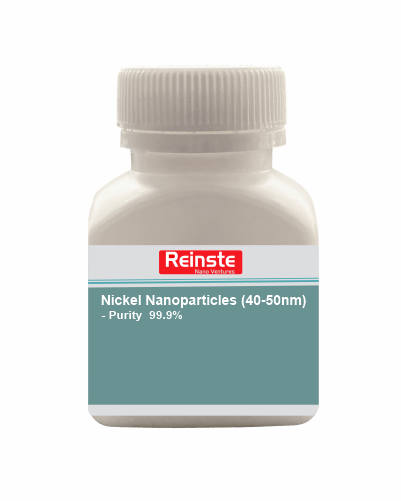
Accelerate Your Research with High-Quality Nano Nickel
Ready to innovate with advanced materials? Explore our comprehensive range of high-quality Nano Nickel products and accelerate your research and development in renewable energy technologies.
View Nano Nickel ProductsGet in Touch with Our Experts
Have specific requirements or questions about nano nickel materials? Our team of experts is ready to assist you. Fill out the form below to connect with us.