
Nano Nickel in India: Unlocking Nanotechnology Patents, Applications, and Future Trends
Discover how nano nickel is revolutionizing various sectors in India, from advanced materials to cutting-edge research, and understand its pivotal role in the nation's nanotechnology future.
Learn More
Introduction to Nano Nickel and its Indian Relevance
Nano nickel, a form of nickel with particles typically ranging from 1 to 100 nanometers, exhibits extraordinary properties compared to its bulk counterpart. These unique characteristics, such as enhanced surface area, superior catalytic activity, distinct magnetic behavior, and improved mechanical strength, make it a highly sought-after material in advanced scientific and industrial applications. The ability to manipulate matter at such a minute scale unlocks a new realm of possibilities, driving innovation across various sectors.
In the rapidly evolving landscape of global scientific research and industrial development, India is emerging as a significant hub for nanotechnology. The country's robust scientific talent pool, increasing government investment in R&D, and a burgeoning industrial sector provide fertile ground for the growth of nano materials, particularly nano nickel. For Indian researchers and professionals, understanding the intricacies of nano nickel is not just an academic exercise but a critical step towards harnessing its potential for economic growth, technological sovereignty, and addressing pressing national challenges.
This comprehensive exploration delves into the fascinating world of nano nickel, highlighting its critical role in advanced materials science, its diverse applications across key industries, and the dynamic landscape of nanotechnology patents in India. We will examine the specific opportunities and trends that are shaping the future of nano nickel research and commercialization within the Indian context, offering valuable insights for anyone involved in this cutting-edge field.
Benefits for Indian Researchers and Innovators
The advent of nano nickel presents a wealth of opportunities for the Indian scientific and industrial community. Its unique properties translate into tangible benefits that can accelerate research, foster innovation, and drive economic progress. Here are some key advantages for Indian researchers and innovators:
- Enhanced Material Properties: Nano nickel offers superior strength, hardness, ductility, and corrosion resistance compared to conventional nickel. This allows researchers to develop advanced materials with unprecedented performance characteristics, crucial for high-stress applications in aerospace, defense, and automotive industries.
- New Research Avenues: The unique quantum and surface effects at the nanoscale open up entirely new fields of study in material science, chemical engineering, and biomedical research. Indian scientists can explore novel synthesis methods, functionalization techniques, and application-specific designs, leading to groundbreaking discoveries.
- Innovation in Product Development: From more efficient catalysts for chemical processes to high-performance electrodes for energy storage devices, nano nickel enables the creation of next-generation products. This fosters innovation in manufacturing, leading to more competitive and advanced indigenous technologies.
- Economic Impact and Job Creation: The growth of the nano nickel sector can stimulate the establishment of new industries, research facilities, and manufacturing units. This, in turn, creates high-skilled jobs for scientists, engineers, and technicians, contributing significantly to India's economic development.
- Strategic Importance and Reduced Imports: By investing in nano nickel research and production, India can reduce its reliance on imported advanced materials. This strategic autonomy is vital for national security and economic resilience, particularly in critical sectors like defense and energy.
- Environmental Applications: Nano nickel can play a crucial role in environmental remediation, such as catalytic converters for pollution control, and water purification systems, offering sustainable solutions to pressing environmental challenges in India.
- Advancing Indian Nanotechnology Leadership: Focused research and development in nano nickel can position India as a global leader in specific nanotechnology domains, attracting international collaborations and investments.
Diverse Applications of Nano Nickel in Indian Industries
The versatility of nano nickel allows its integration into a wide array of industrial applications, promising transformative advancements across various sectors in India. Its unique properties make it an indispensable component in next-generation technologies.
Catalysis: Driving Chemical Efficiency
Nano nickel's high surface area and unique electronic structure make it an exceptional catalyst. In India, it's increasingly used in hydrogenation, dehydrogenation, and various organic synthesis reactions within the chemical and petrochemical industries. Its efficiency can lead to reduced energy consumption and higher yields, making chemical processes more sustainable and cost-effective.
Electronics & Magnetics: Miniaturization and Performance
The magnetic properties and electrical conductivity of nano nickel are crucial for the electronics sector. It finds applications in conductive inks, electromagnetic interference (EMI) shielding, high-density magnetic recording media, and advanced sensors. As India's electronics manufacturing grows, nano nickel will be vital for developing smaller, more powerful, and efficient devices.
Energy Storage: Powering the Future
With India's ambitious renewable energy targets, nano nickel is gaining prominence in energy storage solutions. It's used in high-performance electrodes for lithium-ion batteries, nickel-metal hydride batteries, and supercapacitors, enhancing their capacity, charging speed, and lifespan. This is critical for electric vehicles (EVs) and grid-scale energy storage.
Automotive & Aerospace: Lighter, Stronger Materials
In the automotive and aerospace sectors, the demand for lightweight yet robust materials is constant. Nano nickel is incorporated into advanced composites and coatings to improve wear resistance, corrosion protection, and mechanical strength. This contributes to fuel efficiency in vehicles and enhanced safety in aerospace components.
Biomedical & Healthcare: Innovative Solutions
Emerging applications of nano nickel in healthcare include targeted drug delivery systems, advanced biosensors for diagnostics, and biocompatible coatings for medical implants. Indian biomedical researchers are exploring its potential to revolutionize disease detection and treatment, offering new hope for various medical conditions.
Defense & Security: Advanced Protective Materials
For defense and security applications, nano nickel is being explored for developing advanced protective coatings, stealth materials, and components for high-performance military equipment. Its ability to impart enhanced strength and specific magnetic properties makes it valuable for next-generation defense technologies, bolstering India's strategic capabilities.
India's Nano Nickel Landscape: Opportunities and Trends
The Indian landscape for nano nickel is characterized by dynamic growth, driven by a confluence of government support, academic excellence, and burgeoning industrial demand. Understanding the key opportunities and trends is crucial for stakeholders looking to invest or innovate in this sector.
The Patent Landscape in India: A Surge in Nanotechnology Patents
The number of nanotechnology patents related to nickel in India has seen a significant uptick over the past decade. This surge reflects increased research activity and a strategic focus on protecting intellectual property. Indian institutions and companies are filing patents for novel synthesis routes of nano nickel, its functionalization for specific applications, and innovative composite materials. This trend indicates a strong drive towards indigenous innovation and a desire to establish a competitive edge in the global nano materials market. Researchers keen on exploring nano nickel patent applications India should regularly consult the Indian Patent Office database and international patent repositories.
Government Initiatives and Funding for Nano Materials Research
The Indian government recognizes the strategic importance of nanotechnology and has launched several initiatives to promote research and development in nano materials. Bodies like the Department of Science & Technology (DST) under its Nano Mission, the Department of Biotechnology (DBT), and the Council of Scientific & Industrial Research (CSIR) provide substantial funding for nano nickel projects. These programs aim to foster collaborative research between academia and industry, build state-of-the-art infrastructure, and train skilled personnel. Such support is instrumental in accelerating the development and commercialization of nano nickel uses and applications.
Academic & Industrial Collaborations: Bridging the Gap
A critical trend in India's nano nickel sector is the growing collaboration between academic institutions and industrial players. Universities and research institutes are partnering with companies in the nickel industry, electronics, automotive, and energy sectors to translate laboratory breakthroughs into viable commercial products. These partnerships facilitate knowledge transfer, provide access to advanced facilities, and ensure that research is aligned with industrial needs, creating a robust ecosystem for nano nickel projects.
Market Trends and Future Projections for Nano Nickel
The market for nano nickel in India is on an upward trajectory, driven by increasing demand from end-use industries. Key growth drivers include the expansion of the electronics manufacturing sector, the push for electric vehicles and renewable energy, and advancements in catalysis. While challenges like high production costs and environmental concerns exist, ongoing research into sustainable synthesis methods and safer handling practices are mitigating these issues. Future projections indicate a significant increase in the adoption of nano nickel, making it a lucrative area for investment and research. The focus on nano nickel market trends suggests a shift towards more specialized and application-specific nano nickel products.
Emerging Research Areas and Sustainable Practices
Indian researchers are actively exploring emerging areas such as green synthesis of nano nickel using biological methods, the development of hybrid nano materials combining nickel with other elements for enhanced properties, and advanced characterization techniques. There's also a strong emphasis on understanding the long-term environmental and health impacts of nano materials and developing safe handling and disposal protocols. These nano nickel projects are not only pushing scientific boundaries but also ensuring responsible innovation.
Frequently Asked Questions (FAQ) about Nano Nickel
Nano nickel, due to its unique properties like high surface area, excellent catalytic activity, and magnetic behavior, finds primary uses in catalysis (e.g., hydrogenation reactions), electronics (conductive inks, sensors), energy storage (batteries, fuel cells), and advanced material composites. Its nanoscale size allows for enhanced performance in these diverse applications.
In India, nano nickel is poised to significantly impact manufacturing by enabling the development of more efficient catalysts for chemical industries, enhancing the performance of electronic components, improving energy storage solutions for electric vehicles and renewable energy, and creating stronger, lighter materials for aerospace and automotive sectors. This leads to higher quality, cost-effective, and innovative products.
Commercializing nano nickel technology in India faces several challenges, including the high cost of production at scale, ensuring consistent quality and purity, addressing potential environmental and health concerns related to nanoparticles, developing robust regulatory frameworks, and bridging the gap between laboratory research and industrial application. Investment in infrastructure and skilled workforce development is also crucial.
Indian researchers can seek funding for nano nickel projects from various government bodies such as the Department of Science & Technology (DST), Department of Biotechnology (DBT), Council of Scientific & Industrial Research (CSIR), and Defence Research and Development Organisation (DRDO). Additionally, private sector grants, venture capital for startups, and international collaborations offer significant funding avenues.
The patenting trend for nano nickel in India shows a growing interest, particularly in areas like novel synthesis methods, advanced catalytic applications, and energy storage devices. There's an increasing number of filings from academic institutions and research organizations, indicating a push towards indigenous innovation and protection of intellectual property in this rapidly evolving field. This trend reflects India's ambition to become a leader in nanotechnology.
Explore Related Nano Nickel Products

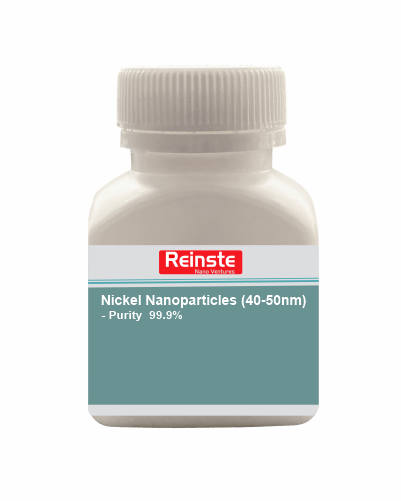
Advance Your Research with Reinste's Nano Nickel Solutions
Ready to integrate cutting-edge nano nickel into your projects? Explore our premium range of nano materials and unlock new possibilities in innovation.
Explore Our ProductsGet in Touch with Our Experts
Have questions about nano nickel, its applications, or need customized solutions for your research or industrial needs? Fill out the form below, and our team of experts will get back to you promptly.