Nano Nickel in Hydrogenation Reactions: Catalyzing India's Industrial Future
Discover how nano nickel, with its unique catalytic properties, is revolutionizing hydrogenation processes, offering unprecedented efficiency and sustainability for various industries, particularly in India's burgeoning R&D landscape.
Explore NowThe Dawn of a New Era: Nano Nickel in Hydrogenation Reactions
In the dynamic landscape of chemical synthesis and industrial catalysis, the role of advanced materials is paramount. Among these, Nano Nickel stands out as a transformative agent, particularly in Hydrogenation Reactions. These reactions, fundamental to countless industrial processes from pharmaceuticals to petrochemicals, are undergoing a significant revolution thanks to the unique properties of nickel nanoparticles. For Indian researchers and professionals, understanding and leveraging these advancements is not just an academic pursuit but a strategic imperative for fostering innovation and industrial growth.
Hydrogenation, traditionally reliant on noble metal catalysts, often faces challenges related to cost, availability, and environmental impact. Nano Nickel Catalysts offer a compelling alternative, providing high catalytic activity, selectivity, and stability at a more economical price point. Their enhanced surface area-to-volume ratio and quantum size effects unlock new pathways for efficient conversion, making them ideal for sustainable chemistry practices. In India, where there's a strong push towards indigenous R&D and greener technologies, the exploration of Nano Nickel Applications in hydrogenation is gaining unprecedented momentum. This blog delves into the fascinating world of nano nickel, its properties, diverse applications, and the immense opportunities it presents for India's scientific and industrial future.
From the synthesis of fine chemicals to the upgrading of biofuels, the precision and efficiency offered by these nanoscale catalysts are setting new benchmarks. As India continues to emerge as a global hub for research and manufacturing, the adoption of such cutting-edge materials will undoubtedly play a pivotal role in shaping its competitive edge and achieving its sustainability goals. Let's explore the profound impact of nano nickel on hydrogenation reactions and its potential to catalyze a brighter, more efficient future.
Unlocking Potential: Benefits of Nano Nickel for Researchers
For researchers in India and globally, the advent of Nano Nickel Catalysts brings a plethora of advantages, streamlining experiments, enhancing outcomes, and opening new avenues for discovery in Hydrogenation Reactions.
Enhanced Catalytic Activity
The high surface area and unique electronic properties of nickel nanoparticles significantly boost reaction rates and efficiency, allowing for faster and more complete hydrogenation processes compared to bulk nickel catalysts.
Improved Selectivity
Researchers can achieve greater control over product formation, minimizing unwanted byproducts. This precision is crucial for synthesizing complex molecules and fine chemicals, a key area for Indian pharmaceutical research.
Cost-Effectiveness
As a non-noble metal, Nano Nickel offers a more economical alternative to platinum or palladium, making advanced catalytic research more accessible and sustainable for institutions with budget constraints.
Greater Stability and Reusability
Many Nano Nickel Catalysts exhibit remarkable stability under reaction conditions and can be easily recovered and reused, reducing waste and operational costs in laboratory settings.
Versatile Reaction Conditions
The adaptability of Nickel Hydrogenation using nanoparticles allows for a wider range of operating temperatures and pressures, enabling researchers to optimize conditions for specific synthetic challenges.
Environmental Friendliness
The potential for milder reaction conditions and reduced waste aligns with green chemistry principles, supporting India's commitment to sustainable research and development practices.
Transforming Industries: Key Applications of Nano Nickel Catalysts
The unique Nano Nickel Properties make it an indispensable catalyst across a multitude of industrial sectors. From energy to pharmaceuticals, Applications of Nano Nickel in hydrogenation are driving efficiency and innovation.
Pharmaceutical Synthesis
Nano Nickel is crucial for the selective hydrogenation of functional groups in complex organic molecules, vital for producing active pharmaceutical ingredients (APIs) and intermediates. This is particularly relevant for India's robust pharmaceutical industry, aiming for cost-effective and efficient drug manufacturing.
Petrochemical & Refinery Processes
In the petrochemical sector, Nano Nickel Catalysts are employed for desulfurization, denitrogenation, and the upgrading of heavy oils and crude fractions. They also play a role in the production of various bulk chemicals and polymers, enhancing process economics and environmental compliance.
Food & Edible Oil Industry
For the selective hydrogenation of unsaturated fatty acids in edible oils, Nano Nickel helps in producing healthier fats with reduced trans-fat content. This application is critical for the food processing industry, ensuring product quality and consumer health.
Fine Chemicals & Specialty Polymers
The synthesis of a wide array of fine chemicals, including fragrances, flavors, and intermediates for specialty polymers, benefits immensely from the high activity and selectivity of nickel nanoparticles in hydrogenation reactions.
Biofuel Production
As India focuses on renewable energy, Nano Nickel plays a vital role in the hydrogenation of biomass-derived compounds for biofuel production, offering a sustainable route to energy independence.
Environmental Catalysis
Beyond production, Nano Nickel is also being explored for environmental applications, such as the catalytic reduction of pollutants and wastewater treatment, contributing to a cleaner environment.
India's Horizon: Opportunities and Trends in Nano Nickel Catalysis
India's scientific and industrial landscape is ripe for embracing the full potential of Nano Nickel in Hydrogenation Reactions. The growing emphasis on 'Make in India' and self-reliance in critical technologies positions Nickel Nanoparticles as a strategic material for indigenous innovation. Several key Nano Nickel Trends are emerging, indicating a bright future for this advanced material.
Rising R&D Investment in Nanotechnology
Indian research institutions and universities are increasingly investing in nanotechnology, fostering an environment conducive to exploring novel Nano Nickel Catalysts. This includes studies on synthesis methods, stability enhancements, and diverse reaction pathways. Collaborations between academia and industry are crucial for translating laboratory breakthroughs into commercial applications, especially for large-scale Hydrogenation Reactions.
The focus is not just on developing new catalysts but also on optimizing existing ones for specific Indian industrial needs, such as the production of specialty chemicals and advanced materials. This localized approach ensures that the solutions are tailored to meet the unique challenges and opportunities within the Indian market.
Sustainable Chemistry and Green Technologies
With increasing environmental consciousness and stricter regulations, there's a significant drive towards greener chemical processes. Nano Nickel, being a non-toxic and abundant alternative to noble metals, perfectly aligns with India's sustainable development goals. Its ability to facilitate reactions under milder conditions and offer higher atom economy makes it a cornerstone of future eco-friendly industrial practices.
The development of efficient and environmentally benign Nickel Hydrogenation processes is a high priority, aiming to reduce the carbon footprint of chemical manufacturing. This includes exploring aqueous-phase reactions and catalysts that can be easily separated and recycled, further enhancing their green credentials.
Key Areas of Focus for Indian Industry:
- Pharmaceutical Intermediates: Leveraging Nano Nickel for cost-effective and high-purity synthesis of drug precursors.
- Biofuel Upgrading: Developing efficient Nano Nickel Catalysts for converting biomass into advanced biofuels, supporting India's energy security.
- Specialty Chemical Manufacturing: Enhancing selectivity and yield in the production of high-value chemicals.
- Pollution Control: Exploring Nano Nickel Applications in environmental remediation, such as catalytic converters and water purification.
- Advanced Materials: Research into integrating Nickel Nanoparticles into composite materials for improved performance and functionality.
The future of Nano Nickel in Industry in India is promising, driven by a confluence of scientific advancement, economic incentives, and environmental responsibility. As research deepens and industrial adoption expands, Nano Nickel is poised to play a pivotal role in shaping India's position as a leader in sustainable chemical innovation.
Frequently Asked Questions about Nano Nickel in Hydrogenation
Explore Our Nano Nickel Product Range
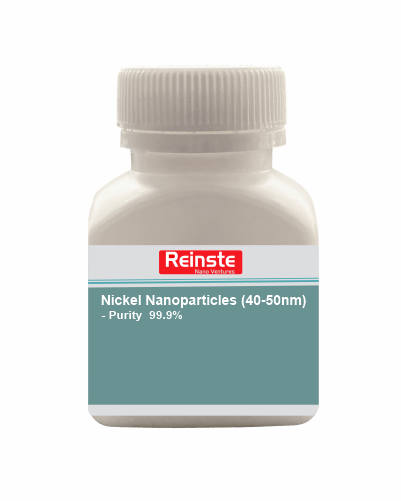
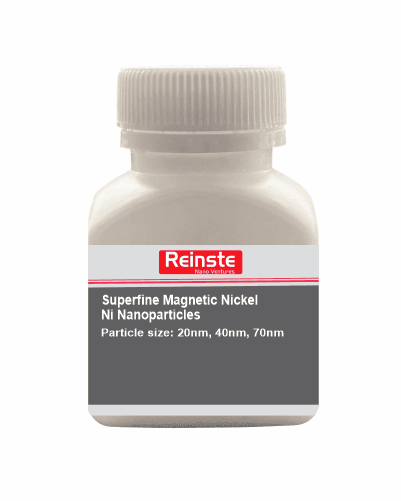
Discover high-quality Nickel Nanoparticles and Nano Nickel Catalysts suitable for your research and industrial applications in hydrogenation reactions and beyond.


Ready to Innovate with Nano Nickel?
Connect with Reinste to explore our range of high-quality Nano Nickel Catalysts and Nickel Nanoparticles for your research and industrial needs. Let's catalyze the future of hydrogenation together.
Get in Touch