Nano Nickel for Corrosion Protection in Seawater: An Indian Perspective for Researchers & Professionals
Explore the advanced applications of nano nickel, including nano nickel coatings and nickel nanoparticles, revolutionizing marine infrastructure and various industrial sectors in India.
Explore Nano Nickel SolutionsIntroduction to Nano Nickel in Corrosion Mitigation
Corrosion poses a monumental challenge to industries worldwide, particularly in maritime environments where the relentless assault of seawater can degrade critical infrastructure, leading to significant economic losses and safety hazards. In India, with its extensive coastline and burgeoning marine industries, the need for advanced, durable, and cost-effective corrosion protection solutions is more pressing than ever. This is where the revolutionary potential of nano nickel for corrosion protection in seawater comes into play.
Nanotechnology has opened new frontiers in material science, offering unprecedented control over material properties at the nanoscale. Nano nickel, characterized by its remarkably high surface area-to-volume ratio and unique quantum effects, exhibits enhanced chemical stability and mechanical strength compared to its bulk counterparts. These properties make it an ideal candidate for developing next-generation anti-corrosion coatings and materials.
For Indian researchers and professionals, understanding the nuances of nano nickel corrosion resistance is crucial. From offshore oil and gas platforms to naval vessels, port infrastructure, and desalination plants, the applications are vast and impactful. This blog delves into how nano nickel coatings are engineered to provide superior barrier protection, self-healing capabilities, and active corrosion inhibition, offering a sustainable solution to one of the oldest engineering problems. We will explore the latest advancements, the specific benefits for the Indian context, and the exciting opportunities that lie ahead in the field of nanotechnology nickel.
Key Benefits for Indian Researchers and Industries
-
Enhanced Corrosion Resistance
Nano nickel coatings offer superior barrier properties, preventing corrosive agents in seawater from reaching the substrate. The dense, defect-free layers formed by nickel nanoparticles significantly extend the lifespan of marine structures.
-
Improved Mechanical Properties
Beyond corrosion, nano nickel enhances hardness, wear resistance, and ductility of materials, making them more resilient against physical damage in harsh marine environments, a critical factor for Indian naval and shipping industries.
-
Cost-Effectiveness and Longevity
By drastically reducing the frequency of maintenance and replacement, nano nickel for corrosion protection in seawater offers long-term cost savings, a significant advantage for large-scale infrastructure projects across India.
-
Environmental Friendliness
Compared to traditional toxic anti-fouling paints, nano nickel-based solutions can be developed to be more environmentally benign, aligning with India's growing focus on sustainable industrial practices and marine ecosystem preservation.
-
Versatile Applications
The adaptability of nickel nanomaterials allows for their integration into various forms, including paints, composites, and electroplated layers, catering to diverse industrial needs from shipbuilding to coastal defense.
-
Innovation in Indian R&D
This field presents immense opportunities for Indian research institutions and startups to lead in advanced nickel materials development, fostering innovation and creating a competitive edge in global nanotechnology.
Industrial Applications of Nano Nickel in India
Marine and Offshore Industry
For India's vast marine sector, nano nickel for corrosion protection in seawater is a game-changer. It is crucial for protecting ship hulls, offshore drilling rigs, subsea pipelines, and port infrastructure from rapid degradation. Nano nickel coatings provide a durable shield against saline environments, extending operational life and reducing maintenance costs for ONGC, Indian Navy, and various shipping companies.
Energy Sector
In the energy sector, particularly for thermal power plants and renewable energy installations located near coastal areas, corrosion is a constant threat. Nano nickel applications extend to protective coatings for cooling systems, heat exchangers, and structural components exposed to corrosive atmospheres, ensuring operational efficiency and safety.
Automotive and Aerospace
While primarily focused on seawater, the principles of nano nickel corrosion protection are transferable. For components in vehicles and aircraft exposed to humid or corrosive conditions, nickel nanoparticles can be incorporated into lightweight alloys or applied as protective layers, enhancing durability and performance, especially for defense applications.
Construction and Infrastructure
Coastal bridges, buildings, and other civil infrastructure in India are constantly battling the elements. Utilizing nano nickel coatings on rebar and structural steel can significantly extend their service life, reducing the need for costly repairs and replacements, and contributing to more resilient urban development.
Water Treatment and Desalination
Desalination plants, vital for addressing India's water scarcity, operate in highly corrosive environments. Nickel for seawater applications here includes protecting critical components like pumps, valves, and piping systems, ensuring their long-term functionality and reducing operational downtime.
Electronics and Sensors
The miniaturization trend in electronics demands robust protection. Nickel nanoparticles can be used in advanced sensors and electronic components designed for marine or harsh industrial environments, providing both corrosion resistance and specific functional properties.
India's Growing Opportunities and Trends in Nano Nickel Technology
India is rapidly emerging as a hub for scientific research and industrial innovation, making it fertile ground for the advancement and adoption of nano nickel for corrosion protection in seawater. The government's 'Make in India' initiative, coupled with significant investments in maritime infrastructure and defense, creates a robust demand for cutting-edge material solutions. Indian institutions like IITs and CSIR labs are actively engaged in research on nanotechnology nickel, exploring novel synthesis methods for nickel nanoparticles and developing advanced nano nickel coatings.
A significant trend is the focus on sustainable and eco-friendly solutions. As environmental regulations become stricter, the development of non-toxic nickel nanomaterials that offer superior corrosion resistance without harming marine ecosystems is paramount. This pushes researchers towards innovative surface functionalization and composite material designs using nano nickel.
Furthermore, the integration of smart materials is another exciting avenue. Imagine coatings embedded with sensors that can detect early signs of corrosion or self-healing properties that automatically repair minor damages. The nano nickel industry in India is poised to leverage these advancements, moving beyond passive protection to active and intelligent corrosion management systems. Collaboration between academia and industry, facilitated by government grants and private investments, will be key to translating laboratory breakthroughs into commercial products.
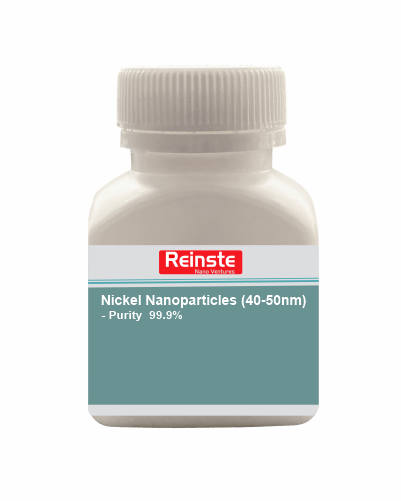
The demand for high-purity and precisely engineered advanced nickel materials is also on the rise. Companies like Reinste are playing a crucial role in supplying researchers and industries with the foundational nickel nanoparticles and other nanomaterials required for these innovations. As India strengthens its position in global manufacturing and R&D, the adoption of sophisticated corrosion control strategies using nano nickel will not only protect valuable assets but also enhance the nation's technological prowess and economic resilience.
Frequently Asked Questions about Nano Nickel


Ready to Innovate with Nano Nickel?
Connect with us to explore how advanced nano nickel materials can revolutionize your corrosion protection strategies and R&D projects.
Get in Touch