

Nano Nickel Foam: Powering India's Future in Energy and Advanced Materials
Discover how nanostructured nickel foam is transforming energy storage, conversion, and catalytic processes, offering unprecedented opportunities for Indian researchers and professionals.
Explore NowIntroduction to Nano Nickel Foam: A New Era for Indian R&D
In the rapidly evolving landscape of advanced materials, Nano Nickel Foam stands out as a groundbreaking innovation with immense potential, particularly for India's burgeoning research and development sector and diverse industries. This unique nanostructured material, characterized by its high porosity, large surface area, and excellent electrical conductivity, is poised to revolutionize various applications, from energy storage devices to advanced catalytic converters. For Indian researchers and professionals, understanding and harnessing the capabilities of nano nickel foam is crucial for driving indigenous innovation, fostering sustainable technologies, and positioning India at the forefront of global nanotechnology.
The intricate 3D network of nano nickel foam provides an ideal scaffold for numerous electrochemical and catalytic reactions. Its open-pore structure facilitates efficient mass transport and electron transfer, making it superior to traditional bulk materials. This allows for enhanced performance in areas critical to India's growth, such as renewable energy integration, development of electric vehicle components, and advanced manufacturing processes. As India pushes for self-reliance and technological leadership, the exploration and application of materials like nano nickel foam become paramount.
Key Benefits for Indian Researchers and Innovators
- Enhanced Catalytic Activity: The exceptionally high surface area and unique electronic properties of nano nickel foam provide abundant active sites, leading to significantly improved catalytic efficiency for a wide range of chemical reactions, including those vital for industrial processes and environmental remediation.
- Improved Energy Storage Capacity: As an electrode material, nano nickel foam offers superior energy density and power output for batteries (e.g., Lithium-ion, Nickel-metal hydride) and supercapacitors. Its porous structure accommodates volume changes during charge/discharge cycles, leading to longer lifespans and faster kinetics.
- Superior Sensing Capabilities: The nanostructured nature allows for highly sensitive and selective detection of various analytes, from environmental pollutants to crucial biomolecules. This opens avenues for advanced diagnostics, food safety, and real-time environmental monitoring systems.
- Lightweight and Highly Conductive: Its low density combined with excellent electrical and thermal conductivity makes it an ideal candidate for next-generation lightweight electronics, heat exchangers, and electromagnetic shielding applications, crucial for modern technological advancements.
- Versatile Platform for Composites: Nano nickel foam can serve as a robust and conductive substrate for developing novel composite materials by integrating other active nanomaterials, polymers, or ceramics, thereby synergistically enhancing properties for specific applications.
- Cost-Effective Alternatives: In many catalytic and electrochemical applications, nano nickel foam can act as a more affordable and abundant alternative to expensive precious metal catalysts, reducing operational costs and promoting broader adoption in industries.
- Interdisciplinary Research Opportunities: Its multifaceted properties encourage collaborative research across material science, chemistry, physics, and engineering disciplines, fostering innovation and knowledge exchange within India's scientific community.
Transformative Applications Across Industries
Energy Storage Systems
Nano Nickel Foam is revolutionizing energy storage by providing high-performance electrodes for advanced Lithium-ion batteries, Nickel-metal hydride batteries, and supercapacitors. Its unique structure enables faster charge/discharge rates and significantly extends cycle life, making it critical for electric vehicles, portable electronics, and grid-scale energy storage solutions in India.
Advanced Catalysis
In catalysis, nano nickel foam serves as an efficient and robust catalyst or catalyst support. It's employed in crucial processes such as hydrogen production via water splitting, CO oxidation for emission control, and various organic synthesis reactions. This promotes greener chemical processes and reduces reliance on more expensive or less efficient catalysts, aligning with India's sustainable industrial goals.
Electrochemical Sensors
The high surface area and excellent conductivity of nano nickel foam make it an ideal material for developing highly sensitive and selective electrochemical sensors. These sensors can detect a wide range of substances, including toxic gases, heavy metal ions, and biomolecules, finding applications in environmental monitoring, industrial safety, and advanced medical diagnostics.
Electromagnetic Shielding
With the proliferation of electronic devices, effective electromagnetic interference (EMI) shielding is crucial. Nano Nickel Foam's porous metallic structure provides excellent EMI shielding effectiveness, protecting sensitive electronic components from external interference and ensuring the reliability and performance of modern electronic systems.
Hydrogen Production & Fuel Cells
As India moves towards a hydrogen-based economy, nano nickel foam emerges as a key material for efficient hydrogen production through water electrolysis and as advanced electrode materials for various fuel cell technologies. Its high electrocatalytic activity significantly boosts the efficiency and durability of these clean energy devices.
India's Nanotech Frontier: Opportunities and Emerging Trends
India's commitment to renewable energy, electric mobility, and advanced manufacturing creates a fertile ground for the adoption and innovation of Nano Nickel Foam technologies. With initiatives like 'Make in India' and a strong focus on scientific research, there's a growing demand for advanced materials that can enhance energy efficiency and reduce environmental impact. Indian institutions and industries are increasingly investing in nanotechnology research, leading to collaborations and indigenous development of nano nickel products. The trend towards sustainable and high-performance materials positions nano nickel foam as a key enabler for India's transition to a greener and more technologically advanced future.
Researchers across IITs, NITs, and other premier research institutes are actively exploring the synthesis and application of Nickel Nanomaterials, including Nanostructured Nickel and Nano Nickel Coatings. There's a particular emphasis on developing cost-effective and scalable production methods for Nano Nickel for Energy applications, such as improving the efficiency of solar cells and developing advanced supercapacitors for grid stabilization. The burgeoning electric vehicle market in India also presents a significant opportunity for Nano Nickel Foam in battery technology, aiming for lighter, more powerful, and faster-charging solutions.
Furthermore, the demand for smart sensors in smart cities and agricultural applications is driving research into Nano Nickel Applications in sensing platforms. The focus on environmental sustainability also fuels interest in using Nano Nickel Technology for water purification and air quality monitoring. These trends underscore the strategic importance of Nickel Nanoparticles and related nanotech products in India's journey towards innovation and self-reliance in critical technological domains.
Frequently Asked Questions About Nano Nickel Foam
Nano Nickel Foam is a highly porous, three-dimensional network structure made of nickel at the nanoscale. It possesses a large specific surface area, excellent electrical conductivity, and good mechanical strength, making it ideal for various advanced applications.
Its primary applications in energy include high-performance electrodes for batteries (Li-ion, Ni-MH), supercapacitors, electrocatalysts for hydrogen production (water splitting), and components in fuel cells, significantly enhancing efficiency and capacity.
For India, Nano Nickel Foam offers a pathway to develop indigenous, high-performance materials for critical sectors like renewable energy, electric vehicles, and environmental monitoring. It supports national goals of self-reliance in advanced manufacturing and sustainable technology.
The large surface area and unique nanostructure of Nano Nickel Foam provide abundant active sites for chemical reactions, leading to enhanced catalytic activity, improved reaction rates, and often lower operating temperatures compared to bulk nickel.
While nickel itself needs careful handling, the use of Nano Nickel Foam in applications like green hydrogen production and efficient energy storage contributes to environmental sustainability by reducing reliance on fossil fuels and improving resource utilization. Its reusability in catalytic processes also minimizes waste.
Explore Related Nano Nickel Products
Nickle Nanopowder (70nm)
View Product
Nickel Nanopowder (20nm)
View Product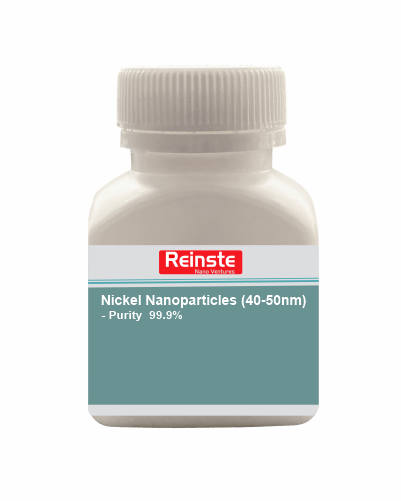
Nickel nanoparticles (40-50nm)
View Product
Nickel nanoparticles APS: ca. 50 nm
View ProductReady to Advance Your Research with Nano Nickel?
Discover our comprehensive range of high-quality nano nickel products tailored for your specific needs.
Explore Our Nano Nickel Products