Unveiling the Power of Nano Nickel Catalysts: A Game-Changer for India
In the dynamic landscape of modern science and technology, nanomaterials have emerged as pivotal drivers of innovation. Among these, nano nickel catalyst stands out as a remarkably versatile and powerful tool, poised to revolutionize various sectors, particularly within India's burgeoning research and development ecosystem and industrial framework. These tiny particles, often just a few nanometers in size, exhibit extraordinary catalytic properties that far surpass those of their bulk counterparts. Their unique surface area-to-volume ratio and distinct electronic structures enable them to facilitate chemical reactions with unprecedented efficiency, selectivity, and often under milder conditions.
For Indian researchers and professionals, understanding and harnessing the potential of best nano nickel technologies is not merely an academic pursuit but a strategic imperative. From enhancing the sustainability of chemical processes to developing advanced energy solutions and creating novel materials, nano nickel offers a pathway to indigenous innovation and global competitiveness. This comprehensive guide delves into the fascinating world of nano nickel catalysts, exploring their fundamental properties, diverse applications, and the immense opportunities they present for India's scientific and industrial future.
As India continues its trajectory towards becoming a global hub for research and manufacturing, the adoption of advanced materials like nano nickel powder will be crucial. This blog aims to provide informative and humanized insights for both seasoned experts and aspiring scientists, shedding light on how these microscopic wonders are making macroscopic impacts across various domains.
Why Nano Nickel is Indispensable for Indian Researchers
The adoption of nano nickel catalysts offers a multitude of advantages for researchers across India, enabling groundbreaking discoveries and more efficient experimental methodologies. Here are some key benefits:
- Enhanced Catalytic Activity: Due to their high surface area and quantum effects, nano nickel particles provide significantly more active sites for reactions, leading to faster reaction rates and higher yields compared to traditional catalysts. This means less catalyst material is needed, reducing costs and resource consumption.
- Improved Selectivity: Researchers can achieve greater control over reaction pathways, leading to the preferential formation of desired products and minimizing unwanted by-products. This is crucial in complex organic synthesis and pharmaceutical development.
- Milder Reaction Conditions: Nano nickel catalysts often allow reactions to proceed efficiently at lower temperatures and pressures, reducing energy consumption and making processes safer and more environmentally friendly. This opens avenues for green chemistry initiatives.
- Versatility in Applications: From hydrogenation and oxidation to C-C coupling reactions and CO2 reduction, the nano nickel application spectrum is incredibly broad, offering researchers a powerful tool for diverse chemical transformations.
- Reduced Waste and Environmental Impact: By improving efficiency and selectivity, nano nickel helps minimize waste generation. Furthermore, some nano nickel formulations are designed for easy recovery and reuse, contributing to sustainable research practices.
- Cost-Effectiveness: While initial synthesis might require specialized techniques, the long-term benefits of reusability, lower reaction temperatures, and higher yields can lead to significant cost savings in research and industrial processes.
- Novel Material Synthesis: Beyond catalysis, the unique nano nickel properties make it invaluable for synthesizing new materials with enhanced magnetic, electrical, or structural characteristics, pushing the boundaries of materials science.
- Scalability Potential: Many nano nickel synthesis methods are being developed with scalability in mind, making them suitable for eventual transition from lab-scale research to industrial production, a key consideration for Indian industry.
Transforming Industries: Key Nano Nickel Applications in India
Nano nickel catalysts are not just academic curiosities; they are actively reshaping industrial processes across various sectors in India, offering efficient, sustainable, and cost-effective solutions.
Petrochemicals & Refineries
In the vast petrochemical sector, nano nickel catalyst plays a critical role in hydrogenation reactions, desulfurization, and steam reforming for hydrogen production. Its high activity and stability lead to improved fuel quality, reduced emissions, and more efficient production of essential chemicals, vital for India's energy security and industrial growth.
Pharmaceuticals & Fine Chemicals
The synthesis of active pharmaceutical ingredients (APIs) and fine chemicals often requires precise and selective catalytic processes. Nano nickel enables chiral synthesis, reduction of nitro compounds, and various coupling reactions with high yields and purity, accelerating drug discovery and manufacturing in India.
Energy Storage & Conversion
With India's focus on renewable energy, nano nickel is crucial in developing advanced battery electrodes, supercapacitors, and efficient catalysts for fuel cells and hydrogen generation. Its role in enhancing energy conversion efficiency is paramount for a sustainable energy future.
Environmental Remediation
Nano nickel particles are effective in treating industrial wastewater, degrading pollutants, and reducing harmful emissions. Their ability to catalyze the breakdown of organic contaminants and heavy metals offers promising solutions for environmental protection in rapidly industrializing regions of India.
Material Science & Coatings
Beyond catalysis, nano nickel properties are exploited in advanced materials. They are used in magnetic storage devices, EMI shielding, and in creating highly durable and corrosion-resistant coatings for various industrial components, extending product lifecycles and performance.
Food Processing & Edible Oils
In the food industry, nano nickel can be used in the hydrogenation of edible oils to produce margarines and shortenings, offering more efficient and selective processes compared to traditional methods, contributing to India's food security and processing advancements.
India's Nano Nickel Frontier: Opportunities and Emerging Trends
The landscape for nano nickel catalyst research and industrial adoption in India is vibrant and expanding rapidly. Several factors contribute to this growth, including government initiatives, increasing R&D investment, and a growing pool of skilled professionals. India is uniquely positioned to leverage these advancements for sustainable development and economic growth.
Key Trends and Opportunities:
- Focus on Green Synthesis: Indian researchers are increasingly exploring environmentally benign methods for nano nickel synthesis, utilizing natural extracts and non-toxic precursors. This aligns with global sustainability goals and reduces the ecological footprint of nanotechnology.
- Catalysis for Biofuels and Renewable Energy: With a strong push for renewable energy, there's significant research into using nano nickel for efficient production of biofuels, hydrogen, and in advanced fuel cell technologies, crucial for India's energy independence.
- Advanced Materials for Electronics: The unique nano nickel properties make it ideal for developing next-generation electronic components, sensors, and magnetic storage devices, supporting India's 'Digital India' initiative.
- Wastewater Treatment and Pollution Control: Given the industrial expansion, the demand for efficient environmental remediation solutions is high. Nano nickel is being investigated for its efficacy in degrading various industrial pollutants in water and air.
- Collaborative Research and Industry Partnerships: There's a growing trend of collaboration between academic institutions, research labs, and industries to translate laboratory-scale innovations into viable industrial applications, fostering an ecosystem for advanced materials.
- Development of Cost-Effective Production Methods: A key challenge and opportunity lies in developing scalable and cost-effective methods for producing high-quality nano nickel powder, making it accessible for broader industrial adoption within India.
- Export Potential: As India masters the synthesis and application of best nano nickel, there is significant potential for exporting these advanced materials and related technologies to global markets.
The future of nano nickel industry in India is bright, characterized by continuous innovation, strategic investments, and a commitment to leveraging science for societal benefit. Researchers and businesses alike are encouraged to explore the vast potential of this remarkable material.
Frequently Asked Questions about Nano Nickel Catalysts
Explore Our Top Nano Nickel Products
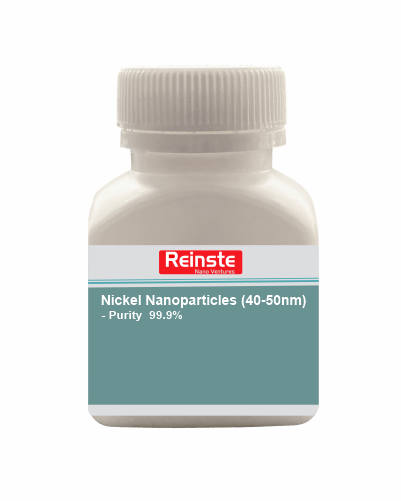
Reinste and Hiyka offer a diverse range of high-quality nano nickel products tailored for advanced research and industrial applications. Discover the perfect material for your next breakthrough.


Ready to Advance Your Research with Nano Nickel?
Whether you're exploring new catalytic pathways, developing advanced materials, or seeking sustainable industrial solutions, Reinste and Hiyka are your trusted partners for high-quality nano nickel products and expert support.
Get in Touch TodayContact Us for Nano Nickel Solutions
Have specific requirements or questions about nano nickel catalysts and their applications? Reach out to our experts through the form below.