Nano Nickel Catalysts: Price, Applications, and Market Trends in India
Delve into the transformative potential of nano nickel catalysts, exploring their role in various industries, market dynamics, and research opportunities tailored for the Indian landscape.
Explore Our Nano Nickel ProductsThe Dawn of Nano Nickel Catalysis in India
In the dynamic landscape of materials science and chemical engineering, nano nickel catalysts have emerged as a pivotal innovation, reshaping industrial processes and research paradigms across the globe. For Indian researchers and professionals, understanding the nuances of these advanced materials—from their synthesis and properties to their diverse applications and market dynamics—is not just an academic pursuit but a strategic imperative. India's burgeoning R&D sector and its robust industrial base are uniquely positioned to leverage the transformative power of nano nickel, driving efficiency, sustainability, and economic growth.
Nano nickel, characterized by its incredibly small particle size (typically 1-100 nanometers), exhibits properties vastly different from its bulk counterpart. This nanoscale engineering bestows upon nickel an enhanced surface area, increased reactivity, and unique electronic structures, making it an exceptionally potent catalyst. These attributes translate into significant advantages in various catalytic reactions, including hydrogenation, oxidation, coupling reactions, and more, which are fundamental to the production of pharmaceuticals, petrochemicals, and fine chemicals.
This comprehensive guide aims to illuminate the multifaceted world of nano nickel catalysts, offering insights into their current market trends, pricing considerations, and the critical role they play in advancing scientific and industrial endeavors within India. We delve into their diverse applications, highlight their benefits for researchers, and explore the future opportunities and trends that define this exciting field, ensuring that Indian professionals are well-equipped to harness the full potential of these groundbreaking materials.
Unlocking Potential: Benefits for Indian Researchers
Nano nickel catalysts offer a myriad of advantages that are particularly beneficial for researchers and scientists in India:
- Enhanced Catalytic Activity: Due to their high surface area and unique electronic structure, nano nickel catalysts often exhibit superior activity compared to conventional catalysts, leading to faster reaction rates and higher yields.
- Improved Selectivity: The precise control over particle size and morphology at the nanoscale allows for tuning the selectivity of reactions, minimizing unwanted by-products and improving process efficiency.
- Reduced Catalyst Loading: Their high efficiency means less catalyst is required for a given reaction, leading to cost savings and reduced waste generation. This is a significant factor in optimizing industrial processes in India.
- Milder Reaction Conditions: Nano nickel catalysts can often facilitate reactions under less extreme temperatures and pressures, contributing to energy savings and safer operating environments.
- Sustainability and Green Chemistry: Their ability to promote efficient reactions, reduce waste, and sometimes enable solvent-free processes aligns perfectly with the principles of green chemistry, a growing focus in Indian research.
- Versatility Across Applications: From hydrogenation in pharmaceutical synthesis to CO2 reduction and biomass conversion, nano nickel's broad applicability opens new avenues for research and innovation in diverse sectors.
- Magnetic Separability: Many nano nickel catalysts are magnetic, allowing for easy separation from reaction mixtures using an external magnetic field, simplifying downstream processing and recycling.
- Cost-Effectiveness: While the initial investment in nanomaterials might seem higher, the long-term benefits of efficiency, reusability, and reduced waste often lead to overall cost savings, making nano nickel price competitive.
Transforming Industries: Key Applications of Nano Nickel Catalysts
Nano nickel catalysts are at the forefront of innovation, driving advancements across various industrial sectors. Here are some of their critical applications:
Petrochemical and Chemical Industry
Nano nickel catalysts are extensively used in hydrogenation reactions for refining petroleum products, producing various chemicals, and in the synthesis of polymers. Their high activity allows for more efficient and selective processes, crucial for the large-scale production in India's growing chemical sector. This includes applications in the production of fatty alcohols, amines, and other organic intermediates.
Pharmaceutical Synthesis
In the pharmaceutical industry, precision and purity are paramount. Nano nickel catalysts are vital for selective hydrogenation of functional groups, enabling the synthesis of complex drug molecules and intermediates. Their mild reaction conditions and high selectivity are key for developing new therapeutic compounds, contributing to India's position as a global pharmaceutical hub.
Energy and Fuel Production
With a global push for sustainable energy, nano nickel catalysts play a crucial role in various energy applications. This includes their use in fuel cells, hydrogen production from various feedstocks, and in the conversion of biomass into biofuels. Research into nano nickel production for these applications is gaining traction in India, addressing energy security and environmental concerns.
Environmental Remediation
Nano nickel catalysts are effective in mitigating environmental pollution. They are used in the degradation of organic pollutants in wastewater, reduction of nitrogen oxides (NOx) in exhaust gases, and in CO2 conversion technologies. Their high reactivity and reusability make them an attractive solution for sustainable environmental management in industrial areas.
Material Science and Nanotechnology
Beyond traditional catalysis, nano nickel is a fundamental building block in advanced materials. It's used in the synthesis of magnetic materials, sensors, and in various nanotechnology applications. The ability to control nano nickel properties at atomic level opens doors for novel material development, impacting electronics, data storage, and more.
Food and Flavor Industry
In the food industry, nano nickel catalysts are employed in the selective hydrogenation of vegetable oils and fats, producing margarines and other food products. Their ability to ensure high purity and control over the hydrogenation process is crucial for meeting quality and safety standards.
India's Nano Nickel Frontier: Opportunities and Emerging Trends
India stands at the cusp of a nanotechnology revolution, with nano nickel catalysts playing a significant role in shaping its future. The country's robust scientific talent, growing industrial base, and increasing investments in research and development create fertile ground for innovation in this domain. Understanding the specific trends and opportunities within the Indian context is crucial for stakeholders.
Growing Demand in Key Sectors
The demand for nano nickel catalyst in India is steadily climbing, driven by the expansion of the chemical, petrochemical, and pharmaceutical industries. As these sectors strive for greater efficiency, sustainability, and cost-effectiveness, the adoption of advanced catalytic materials like nano nickel becomes imperative. The focus on developing indigenous manufacturing capabilities also fuels the demand for local nano nickel suppliers and production facilities.
Research and Development Focus
Indian research institutions and universities are actively engaged in cutting-edge research on nano nickel synthesis, characterization, and application. Key areas of focus include developing novel synthesis routes for more stable and active nano nickel particles, exploring their use in challenging reactions, and integrating them into sustainable chemical processes. The emphasis on "Make in India" initiatives further encourages domestic innovation in nano materials.
Market Landscape and Nano Nickel Price Dynamics
The nano nickel market in India is characterized by a mix of international and domestic suppliers. While global players offer a wide range of products, local manufacturers are increasingly stepping up to meet the specific needs of Indian industries. The nano nickel price is influenced by factors such as purity, particle size, surface area, and the specific synthesis method. Researchers often seek competitive pricing without compromising on quality, making the choice of nano nickel suppliers critical.
Sustainable Chemistry and Environmental Applications
With increasing environmental awareness and stringent regulations, there's a significant trend towards using nano nickel in green chemistry applications. This includes its role in catalytic converters for emission control, wastewater treatment, and the development of sustainable energy solutions. Indian researchers are actively exploring nano nickel for CO2 capture and conversion, and for efficient biomass valorization, aligning with national sustainability goals.
Collaboration and Knowledge Exchange
Opportunities for collaboration between academia and industry are expanding, fostering the translation of research into practical applications. Conferences, workshops, and joint projects focused on nano nickel research and its industrial deployment are becoming more common, facilitating knowledge exchange and accelerating technological advancements within India.
Frequently Asked Questions about Nano Nickel Catalysts
Explore Our Related Nano Nickel Products


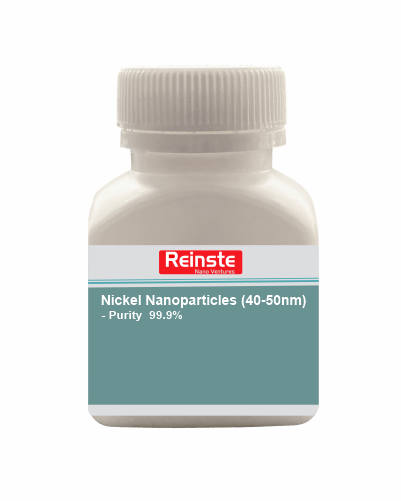
Ready to Advance Your Research with Nano Nickel?
Connect with our experts to find the perfect nano nickel solution for your specific needs.
Contact Us Today!