
Nano Nickel: A Catalyst for India's Scientific and Industrial Revolution
In the rapidly evolving landscape of materials science, nano nickel stands out as a transformative element, holding immense promise for India's research and development (R&D) sector and industrial growth. As researchers and professionals across the nation increasingly seek innovative solutions, understanding the multifaceted potential of nano nickel becomes paramount. This blog delves into the core aspects of nano nickel, from its fundamental properties to its groundbreaking applications, with a keen focus on its relevance and opportunities within the Indian context.
Nano nickel, essentially nickel in its nanoscale form (particles typically ranging from 1 to 100 nanometers), exhibits extraordinary properties that are vastly different from its bulk counterpart. These unique characteristics stem from its high surface-area-to-volume ratio, quantum effects, and altered electronic structures. For Indian researchers, this translates into unprecedented opportunities to engineer materials with superior strength, enhanced catalytic activity, improved electrical conductivity, and novel magnetic behaviors. The ability to manipulate matter at this atomic level opens doors to advancements in various sectors, aligning perfectly with India's vision for self-reliance (Atmanirbhar Bharat) and global leadership in scientific innovation.
The journey into nano nickel research in India is not merely an academic pursuit; it is a strategic imperative. From developing more efficient energy storage solutions to creating advanced biomedical devices, the nano nickel applications are as diverse as they are impactful. This introduction sets the stage for a deeper exploration into how this tiny material is poised to make a giant leap in India's scientific and industrial future, offering a humanized and informative perspective for the nation's brightest minds.
Benefits of Nano Nickel for Indian Researchers and Innovators
- Enhanced Material Performance: Nano nickel significantly improves the mechanical, thermal, and electrical properties of composites and nano nickel alloys, leading to lighter, stronger, and more durable materials crucial for aerospace, automotive, and defense sectors.
- Superior Catalytic Activity: Its high surface area makes nano nickel an exceptional nano nickel catalyst for various chemical reactions, including hydrogenation, oxidation, and organic synthesis, vital for the pharmaceutical, petrochemical, and environmental industries.
- Advanced Energy Solutions: Plays a critical role in developing next-generation batteries (e.g., NiMH, Li-ion), fuel cells, and supercapacitors, addressing India's growing energy demands and promoting sustainable energy technologies through nano nickel battery innovations.
- Biomedical Innovations: Nano nickel applications in targeted drug delivery, biosensors, and medical imaging offer new avenues for healthcare advancements, contributing to better diagnostics and treatments.
- Corrosion Resistance and Coatings: Nano nickel coatings provide superior protection against corrosion and wear, extending the lifespan of components in harsh industrial environments.
- Magnetic and Electronic Applications: Utilized in high-density data storage, magnetic sensors, and advanced electronic components due to its unique magnetic properties at the nanoscale, leveraging nano nickel technology.
- Environmental Remediation: Effective in water purification, removing heavy metals and pollutants, and in catalytic converters for emission control, supporting India's environmental sustainability goals.
- Cost-Effective Solutions: In many cases, the enhanced performance and longevity offered by nano nickel-based materials can lead to long-term cost savings and improved efficiency in industrial processes, including nano nickel production.
Key Industry Applications of Nano Nickel in India
Electronics and Computing
Nano nickel is pivotal in miniature electronic components, high-density data storage devices, and advanced sensors. Its use in magnetic recording media allows for greater information density, while its excellent conductivity makes it ideal for interconnects and electrodes in microelectronics. This is crucial for India's burgeoning IT and electronics manufacturing sectors, enabling faster and more compact devices.
Automotive and Aerospace
In the automotive industry, nano nickel alloys contribute to lightweight, high-strength components, improving fuel efficiency and safety. For aerospace, its application in superalloys enhances turbine engine performance and structural integrity under extreme conditions. Indian manufacturers are exploring these materials to meet stringent global standards and foster indigenous innovation in these critical sectors.
Energy Storage and Conversion
A cornerstone of sustainable energy, nano nickel is indispensable in advanced nano nickel battery technologies (e.g., nickel-metal hydride, lithium-ion cathodes), solid oxide fuel cells, and supercapacitors. These advancements are vital for India's transition to renewable energy, electric vehicles, and grid-scale energy storage solutions, supporting energy security and environmental goals.
Catalysis and Chemical Industry
Due to its high surface area and reactivity, nano nickel serves as an efficient nano nickel catalyst in a multitude of chemical processes, including hydrogenation, CO oxidation, and various organic syntheses. This is invaluable for the Indian chemical and pharmaceutical industries, leading to more efficient, selective, and environmentally friendly production methods.
Biomedical and Healthcare
In healthcare, nano nickel finds nano nickel applications in advanced biosensors for diagnostics, targeted drug delivery systems, and as a component in biocompatible implants. Its magnetic properties can also be harnessed for magnetic resonance imaging (MRI) contrast agents. These innovations offer promising avenues for improving public health outcomes in India.
Coatings and Surface Engineering
Nano nickel coatings provide superior hardness, wear resistance, and corrosion protection for various industrial components. This enhances the durability and lifespan of machinery, tools, and structural materials, reducing maintenance costs and improving operational efficiency across manufacturing, infrastructure, and defense sectors in India.
India-Specific Trends and Collaboration Opportunities in Nano Nickel Research
India is rapidly emerging as a global hub for nanotechnology nano nickel research, and nano nickel is at the forefront of this revolution. Several key trends and nano nickel research collaboration opportunities are shaping its trajectory within the country:
Growing Research Ecosystem
Indian academic institutions like the IITs, IISc, and various national laboratories are actively engaged in cutting-edge nano nickel research. This includes fundamental studies on synthesis methods, characterization, and theoretical modeling, as well as applied research aimed at specific industrial challenges. The focus on indigenous innovation, spurred by government initiatives, is creating a fertile ground for breakthroughs in nano nickel technology.
Government Support and Funding
The Indian government, through bodies like the Department of Science & Technology (DST), Council of Scientific & Industrial Research (CSIR), and Ministry of Electronics and Information Technology (MeitY), is providing significant funding and policy support for nanotechnology. Programs promoting advanced materials research, particularly in areas like energy storage and electronics, directly benefit nano nickel development. This support encourages both academic and industrial players to invest further in this promising field of nano nickel production and nano nickel applications.
Industry-Academia Collaboration
There's a growing emphasis on bridging the gap between research and commercialization. Indian industries are increasingly collaborating with academic institutions to develop nano nickel-based products and processes. These partnerships are crucial for translating laboratory innovations into market-ready solutions, fostering a vibrant ecosystem for technology transfer and scaling up production. Such collaborations are vital for addressing specific industrial needs, from developing advanced nano nickel catalyst for the petrochemical sector to creating durable nano nickel coatings for defense applications.
Focus on Sustainable Technologies
With India's commitment to climate change mitigation and sustainable development, nano nickel's role in green technologies is gaining prominence. Research into its use in efficient catalysts for pollution control, advanced materials for renewable energy systems, and eco-friendly manufacturing processes aligns perfectly with national sustainability goals. This includes developing next-generation nano nickel battery technologies that are more efficient and have a lower environmental footprint.
Emergence of Startups and MSMEs
The ease of doing business and the availability of incubation centers are encouraging startups and Micro, Small, and Medium Enterprises (MSMEs) to venture into nano nickel product development. These agile entities can quickly innovate and bring specialized nano nickel nanoparticles solutions to niche markets, contributing to job creation and economic growth.
International Collaborations
Indian researchers are actively seeking and establishing international collaborations, bringing global expertise and resources to nano nickel research. These partnerships facilitate knowledge exchange, joint research projects, and access to advanced characterization facilities, accelerating the pace of innovation within India.
Key Research Areas and Future Outlook
Future nano nickel research in India will likely focus on:
- Scalable and Cost-Effective Synthesis: Developing methods for large-scale, economical nano nickel production of high-quality nano nickel materials.
- Functionalization and Hybrid Nanostructures: Creating composite materials by integrating nano nickel with other nanomaterials to achieve synergistic properties, including advanced nano nickel alloys.
- Safety and Environmental Impact: Comprehensive studies on the toxicological profile and environmental impact of nano nickel nanoparticles to ensure safe handling and application.
- AI and Machine Learning in Nanomaterial Design: Utilizing computational tools to predict and optimize nano nickel properties and nano nickel applications.
The trajectory of nano nickel research and nano nickel applications in India points towards a future where this material will play a critical role in achieving technological self-reliance, driving economic growth, and addressing pressing societal challenges. For Indian researchers and professionals, the opportunities to contribute to this exciting field are immense and ever-expanding.
Frequently Asked Questions about Nano Nickel
Nano nickel refers to nickel particles with dimensions typically ranging from 1 to 100 nanometers. Its primary difference from bulk nickel lies in its significantly higher surface-area-to-volume ratio, leading to enhanced reactivity, unique magnetic properties, and altered mechanical and electrical characteristics not observed in larger nickel forms.
In India, nano nickel is increasingly used in electronics for miniature components, in the automotive and aerospace industries for lightweight, high-strength alloys, in energy storage for advanced batteries and fuel cells, as catalysts in chemical and pharmaceutical manufacturing, and in coatings for corrosion and wear resistance.
Nano nickel plays a crucial role in India's sustainable energy initiatives by enhancing the performance of next-generation batteries (e.g., Li-ion, NiMH), improving the efficiency of fuel cells, and enabling advanced supercapacitors. These applications are vital for electric vehicles, renewable energy integration, and grid-scale energy storage, supporting the nation's green energy transition.
As with many nanomaterials, research is ongoing to fully understand the potential environmental and health impacts of nano nickel nanoparticles. While its applications offer significant benefits, studies focus on assessing its toxicology, bioaccumulation, and safe handling practices to ensure responsible development and deployment, particularly in industrial settings.
Indian researchers can find collaboration opportunities through national research institutions (IITs, IISc, CSIR labs), government-funded programs (DST, MeitY), industry-academia partnerships, and by engaging with international research consortia. Networking at conferences and workshops focused on nanotechnology and materials science is also highly beneficial.
Explore Related Nano Nickel Products


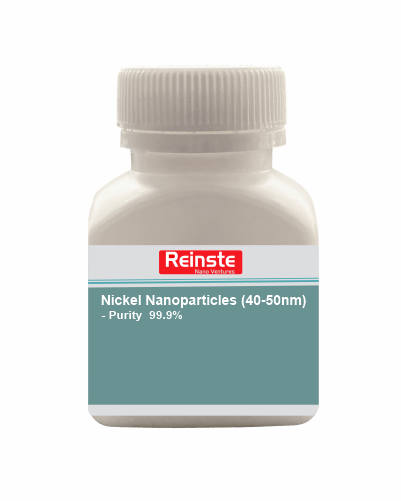
Ready to Innovate? Explore Our Nano Nickel Solutions!
Discover a comprehensive range of high-quality nano nickel materials and collaborate with us to advance your research and industrial applications.
Get in Touch Now