Toxicity of Nano MgO: Health Effects and Safety Measures for Indian Researchers and Professionals
Delve into the critical aspects of Nano Magnesium Oxide toxicity, exploring its implications for health and the environment, and outlining essential safety protocols for the Indian scientific community and industry.
Learn MoreUnderstanding Nano MgO: An Overview for Indian R&D and Industry
Nanotechnology stands as a pivotal scientific frontier, consistently unveiling materials with unprecedented properties that promise to reshape various industries. Among these, Nano Magnesium Oxide (Nano MgO), also known as Magnesium Oxide Nanoparticles or Magnesium Oxide Nanomaterials, has garnered considerable attention. Its unique physiochemical attributes, including an exceptionally high surface area-to-volume ratio, enhanced catalytic activity, and distinct electronic characteristics, position it as a material of immense potential. From its crucial role in advanced ceramic manufacturing and serving as an efficient catalyst in chemical processes, to its emerging applications in biomedical fields and environmental remediation, Nano MgO offers a diverse spectrum of opportunities for innovation and development.
In the context of India's rapidly advancing scientific and industrial landscape, the adoption and innovation surrounding nanomaterials like Nano MgO are gaining significant momentum. Indian researchers and industries are increasingly at the forefront of exploring and integrating these advanced materials into novel applications. However, this rapid progression necessitates a parallel and rigorous investigation into the potential health effects and environmental implications associated with Nano MgO. The very properties that make Nano MgO so valuable—its nanoscale size and high reactivity—also raise questions about its interaction with biological systems and ecosystems, making the study of its toxicity a critical endeavor.
This comprehensive article aims to shed light on the multifaceted aspects of Nano MgO toxicity. We will delve into the current scientific understanding of its potential health effects, exploring various exposure pathways and the cellular and molecular mechanisms through which it might exert its influence. Crucially, we will also outline the essential safety measures and robust toxicity assessment methods that must be meticulously adopted by Indian professionals, including researchers, scientists, and industry stakeholders. The goal is to ensure that the pursuit of technological advancement with Nano Magnesium Oxide is conducted responsibly, ethically, and sustainably, safeguarding both human health and the environment.
The burgeoning nanotechnology sector in India demands a proactive and robust framework for evaluating and managing the risks associated with nanomaterials. This includes not only understanding the direct health implications but also considering the broader environmental impact throughout the lifecycle of Nano MgO. By providing a detailed analysis of global research findings and contextualizing them within the unique challenges and opportunities present in the Indian scientific and industrial ecosystem, this article seeks to empower stakeholders with the knowledge needed for informed decision-making and the responsible stewardship of this promising nanomaterial.
Benefits of Responsible Nano MgO Research for Indian Scientists and Innovators
- Establishing Enhanced Safety Protocols: A deep understanding of Nano MgO health effects and its overall toxicity profile is foundational for developing and implementing cutting-edge safety protocols. For Indian laboratories and industrial facilities, this means minimizing occupational hazards, ensuring worker safety, and aligning with international best practices for nanomaterial handling. This proactive approach fosters a culture of safety and helps prevent adverse health outcomes among personnel.
- Driving Informed and Sustainable Innovation: Knowledge of Nano Magnesium Oxide's toxicological characteristics empowers researchers to adopt a "safer-by-design" approach. This allows for the development of new applications and products that proactively mitigate potential risks from the outset. By integrating toxicity data into the design phase, Indian innovators can create more sustainable, environmentally friendly, and ethically sound nano-enabled solutions, ensuring long-term viability and societal benefit.
- Gaining a Competitive Edge in Global R&D: By rigorously adhering to and advancing in toxicity assessment methods for Nano Magnesium Oxide, Indian research institutions and companies can solidify their reputation as leaders in responsible nanotechnology. This commitment to safety and ethical research is highly valued globally, attracting international collaborations, foreign direct investment, and enhancing India's standing in the highly competitive global R&D landscape.
- Building Public Trust and Acceptance: Transparent and thorough research into the toxicity of Nano MgO is crucial for fostering public confidence in nanotechnology. When potential risks are openly addressed and managed, it helps demystify nanomaterials, leading to greater public acceptance and smoother integration of nano-enabled products into consumer markets and various societal applications within India.
- Informing National Policy and Regulatory Development: Robust research findings on Nano MgO health effects provide invaluable data for Indian policymakers and regulatory bodies. This evidence-based approach is essential for developing comprehensive and effective national guidelines and regulations for the safe production, handling, use, and disposal of Magnesium Oxide Nanoparticles, ensuring a standardized and secure operating environment across the country.
- Advancing Analytical and Detection Methods: The intricate nature of studying Nano MgO toxicity often necessitates the development of novel and sophisticated analytical techniques. This includes methods for detecting and quantifying nanoparticles in complex biological matrices, environmental samples, and industrial effluents. Such advancements contribute significantly to the broader field of analytical science and environmental monitoring, benefiting multiple research domains.
- Promoting Sustainable Industrial Practices: For industries in India that utilize or plan to incorporate Nano Magnesium Oxide, understanding its environmental impact and toxicity enables the adoption of greener synthesis methods, efficient waste management strategies, and closed-loop systems. This commitment to sustainability not only reduces ecological footprints but also enhances corporate social responsibility and aligns with global environmental goals.
- Unlocking New Therapeutic and Diagnostic Avenues: While toxicity is a concern, controlled research into Nano MgO's biological interactions can also uncover its potential in novel therapeutic and diagnostic applications, such as targeted drug delivery or advanced imaging. Understanding its precise interactions at the cellular level allows for the optimization of its beneficial properties while minimizing adverse effects, opening new frontiers in Indian healthcare research.
Key Industrial Applications of Nano Magnesium Oxide Across Diverse Sectors
Environmental Remediation and Water Treatment
Nano MgO exhibits remarkable efficacy in environmental cleanup. Its high adsorption capacity makes it an excellent material for treating wastewater by effectively removing heavy metals, persistent organic pollutants, and various dyes. Furthermore, it finds applications in air purification systems, acting as a potent catalyst to break down harmful volatile organic compounds (VOCs) and other gaseous pollutants, contributing to cleaner air and water resources, a critical need in many Indian cities.
Advanced Catalysis and Chemical Processing
The large surface area, numerous active sites, and unique electronic structure of Nano Magnesium Oxide render it an outstanding catalyst and catalyst support. It significantly enhances reaction rates and selectivity in a wide array of chemical processes, including organic synthesis, petrochemistry, and the production of biofuels. Its role in green chemistry applications is particularly notable, offering more efficient and environmentally friendly routes to various industrial chemicals, which is a growing focus for Indian chemical industries.
Biomedical and Healthcare Innovations
Magnesium Oxide Nanoparticles are extensively investigated for their potential in biomedical and healthcare applications. They are explored for targeted drug delivery systems, particularly in cancer therapy, and as effective antibacterial and antiviral agents due to their unique surface chemistry. While their biocompatibility is a key advantage, rigorous assessment of the toxicity of Nano MgO is paramount to ensure safe and effective clinical translation, aligning with India's burgeoning biotech sector.
Development of High-Performance Advanced Materials
As a versatile additive, Nano MgO is crucial in enhancing the properties of various advanced materials. When incorporated into polymers, ceramics, and metals, it significantly improves mechanical strength, thermal stability, and flame retardancy. This makes it invaluable in developing high-performance composites, durable coatings, and specialized structural materials for aerospace, automotive, and construction industries, supporting India's infrastructure development and manufacturing capabilities.
Electronics, Sensors, and Energy Storage
Nano Magnesium Oxide plays a significant role in the advancement of electronic components, gas sensors, and optical devices. Its excellent dielectric properties and sensitivity to various gases offer immense potential for developing next-generation sensors for environmental monitoring and industrial safety. Furthermore, its application in energy storage devices, such as supercapacitors and batteries, is being explored to improve efficiency and longevity, critical for India's renewable energy goals.
Agriculture, Food Packaging, and Cosmetics
In agriculture, Nano MgO can function as an efficient micronutrient delivery system, enhancing crop yield and plant health. In the food packaging industry, its antimicrobial properties can extend the shelf life of perishable goods, reducing food waste. Additionally, it finds use in cosmetics and personal care products for its UV-blocking and anti-inflammatory properties. However, for direct food contact or topical applications, careful assessment of Nano MgO health effects is essential to ensure consumer safety.
India's Growing Landscape: Opportunities and Trends in Nano Magnesium Oxide Research and Application
India's scientific and industrial sectors are increasingly recognizing the immense, transformative potential of nanomaterials, with Nano Magnesium Oxide (Nano MgO) standing out for its remarkable versatility and broad applicability. The nation's robust and expanding R&D infrastructure, coupled with a strong governmental emphasis on fostering innovation and indigenous technological development, creates an exceptionally fertile ground for groundbreaking advancements in Nano MgO applications. A significant and observable trend is the concerted effort towards developing localized Nano MgO production methods, a strategic move aimed at bolstering self-sufficiency in critical advanced materials and reducing reliance on international supply chains.
One of the most compelling opportunities for Nano MgO in India lies in its potential to address the country's pressing environmental challenges, particularly in the critical areas of water purification and air quality management. Indian researchers are actively engaged in pioneering cost-effective, scalable, and sustainable methods for utilizing Nano Magnesium Oxide to efficiently remove a wide spectrum of pollutants from water bodies and atmospheric air. These efforts are in strong alignment with ambitious national initiatives such as the Swachh Bharat Abhiyan and the National Clean Air Programme, underscoring the material's strategic importance. Furthermore, the vast and diverse agricultural sector presents an enormous arena for leveraging Nano MgO benefits, including enhanced nutrient delivery systems, improved soil health, and advanced pest management strategies, all of which are crucial for bolstering food security and promoting sustainable farming practices across the nation.
The "Make in India" initiative extends its reach to the domain of advanced materials, vigorously encouraging the domestic manufacturing and commercialization of Magnesium Oxide Nanomaterials. This not only promises to create substantial economic opportunities and generate employment but also inherently necessitates a deeper, more nuanced understanding of the toxicity of Nano MgO. Ensuring safe production, handling, and deployment throughout its lifecycle is paramount. Consequently, leading Indian institutions and research bodies are significantly increasing their investment in developing and implementing sophisticated nano magnesium oxide toxicity assessment methods. This proactive and rigorous approach is indispensable for building enduring consumer trust, facilitating seamless market penetration, and ensuring the long-term sustainability of nano-enabled products within the Indian economy.
Beyond environmental and agricultural applications, the integration of Nano MgO is a rapidly burgeoning trend in sectors such as smart textiles, advanced construction materials, and next-generation electronics. As the demand for high-performance, durable, and functional materials continues to escalate across various Indian industries, the unique properties of Nano MgO—including its exceptional fire retardancy, potent antimicrobial characteristics, and superior thermal conductivity—make it an increasingly attractive and indispensable component. Collaborative efforts, fostering robust partnerships between academia, industry, and government agencies, are absolutely pivotal in harnessing the full spectrum of Nano MgO Applications. Simultaneously, meticulous attention must be paid to thoroughly addressing any potential Nano MgO Health Effects, thereby ensuring a responsible, ethically sound, and sustainable nanotech future for India.
The trajectory of nanotechnology in India is poised for exponential growth, and Nano MgO is set to play a significant role. With a strong emphasis on research into its safe use and environmental impact, India is positioning itself as a global leader in responsible nanotechnology. This includes developing indigenous expertise in toxicology, risk assessment, and regulatory frameworks that are tailored to the Indian context while aligning with international standards. The commitment to understanding the full lifecycle of Magnesium Oxide Nanoparticles, from synthesis to disposal, will drive innovation that is both economically beneficial and environmentally conscious, fostering a sustainable future for advanced materials in the country.
Frequently Asked Questions about Nano Magnesium Oxide Toxicity
Related Products: Explore Nano Magnesium Oxide and More
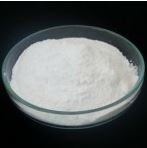
Nano Magnesium Oxide
View Product
MAF, Magnesium formate (MOF)
View Product
Magnesium Oxide, Research Grade
View ProductAdvance Your Research with Reinste's Premium Nanomaterials
Ready to explore high-quality Nano Magnesium Oxide and other advanced materials for your projects? Contact us today to discuss your specific requirements and discover how our products can empower your innovations.
Get in Touch