Nano Magnesium Oxide: A Powerful Solution for Environmental Remediation in India
Explore the groundbreaking potential of magnesium oxide nanoparticles in tackling India's pressing environmental challenges, from water purification to air quality improvement.
Learn More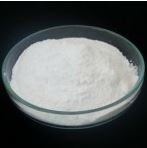
Unlocking a Cleaner Future: Nano Magnesium Oxide in Environmental Remediation
In an era defined by rapid industrialization and escalating environmental concerns, India stands at a critical juncture. The demand for innovative, efficient, and sustainable solutions to combat pollution is more urgent than ever. Among the myriad of advanced materials emerging from the frontiers of nanotechnology, nano magnesium oxide (MgO nanoparticles) is proving to be a formidable contender in the realm of environmental remediation. This versatile nanomaterial, with its unique physicochemical properties, holds immense promise for transforming how we approach water purification, air quality management, and soil decontamination, offering a beacon of hope for a cleaner, healthier India. The unique characteristics of nano MgO, such as its high surface area, abundant active sites, and tunable morphology, make it exceptionally effective in interacting with and neutralizing a wide spectrum of environmental pollutants.
The scientific community, particularly researchers and professionals in India, are increasingly recognizing the profound impact that magnesium oxide nanoparticles can have. Its high surface area, exceptional reactivity, and cost-effectiveness make it an ideal candidate for a wide array of environmental applications. From adsorbing heavy metals and organic pollutants in wastewater to neutralizing acidic gases in industrial emissions, nano MgO presents a multi-faceted approach to environmental challenges. This article delves deep into the science behind nano magnesium oxide, its diverse applications in environmental remediation, and the burgeoning opportunities it presents for research and industrial adoption across India. Furthermore, we will explore how this innovative material aligns with India's national priorities for environmental protection and sustainable development.
The journey towards sustainable environmental practices requires a blend of traditional methods and cutting-edge innovations. Nanotechnology, specifically the development and application of nanomaterials like nano magnesium oxide, represents a significant leap forward. Unlike their bulk counterparts, magnesium oxide nanoparticles exhibit enhanced catalytic activity, improved adsorption capacities, and superior antimicrobial properties, which are crucial for effective remediation strategies. For Indian researchers and professionals, understanding and harnessing these properties is key to developing localized, impactful solutions that address the unique environmental pressures faced by the nation. This exploration will highlight the compelling reasons why nano magnesium oxide is not just another material, but a pivotal element in India's environmental sustainability agenda, offering both scientific advancements and practical, scalable solutions.
The relevance of nano magnesium oxide for environmental remediation in the Indian context cannot be overstated. With densely populated urban centers and burgeoning industrial zones, the challenges of water scarcity, contaminated land, and air pollution are pervasive. Traditional remediation techniques often fall short in terms of efficiency, cost, and scalability. This is where the precision and efficacy of nanotechnology come into play. By offering targeted and highly effective solutions, nano MgO can significantly reduce the environmental footprint of various industries and contribute to the restoration of natural ecosystems. Our discussion will further explore the specific Indian scenarios where nano magnesium oxide can make a tangible difference, fostering a cleaner and more prosperous future, while also considering the economic implications for widespread adoption.
Key Benefits for Indian Researchers and Professionals
- • Enhanced Adsorption Capacity: Nano magnesium oxide boasts an exceptionally high surface area, significantly improving its ability to adsorb a wide range of pollutants, including heavy metal ions (like lead, cadmium, and arsenic), organic dyes, and pharmaceutical residues from water. This is crucial for addressing industrial effluent and municipal wastewater treatment challenges prevalent in India.
- • Superior Catalytic Activity: The nanoscale size of MgO particles enhances their catalytic properties, making them highly effective in degrading complex organic pollutants into less harmful substances. This opens avenues for developing advanced oxidation processes for treating persistent organic pollutants (POPs) in various environmental matrices.
- • Antimicrobial Properties: Nano magnesium oxide exhibits potent antimicrobial activity against a broad spectrum of bacteria and fungi, making it valuable for disinfection in water treatment and for preventing biofouling in industrial systems. This offers a sustainable alternative to conventional chemical disinfectants.
- • Cost-Effectiveness and Abundance: Magnesium is an abundant element, making the production of magnesium oxide nanoparticles potentially more cost-effective compared to other noble metal-based nanomaterials. This economic advantage is particularly attractive for large-scale industrial applications and widespread adoption in India.
- • Versatility in Application: From wastewater treatment and air purification to soil remediation and even as a component in self-cleaning surfaces, the versatility of nano magnesium oxide allows for its integration into diverse environmental management strategies. This adaptability is key for addressing India's multifaceted environmental issues.
- • Reduced Secondary Pollution: Unlike some conventional chemical remediation methods that can generate harmful byproducts, nano magnesium oxide-based solutions often result in less secondary pollution, aligning with the principles of green chemistry and sustainable development.
Industrial Applications of Nano Magnesium Oxide in India
Wastewater Treatment
Nano magnesium oxide is revolutionizing wastewater treatment processes. Its high adsorption capacity makes it excellent for removing heavy metals, dyes, and organic pollutants from industrial effluents and domestic wastewater. In India, where water pollution is a significant concern, nano MgO offers a promising solution for treating textile industry wastewater, pharmaceutical waste, and municipal sewage, ensuring cleaner discharge and promoting water reuse.
Air Pollution Control
Beyond water, nano magnesium oxide plays a crucial role in air purification. It can effectively adsorb and neutralize acidic gases like SOx and NOx, which are major contributors to acid rain and smog, particularly from industrial emissions and vehicular exhaust. Its application in catalytic converters and air filters can significantly improve urban air quality, a critical issue in many Indian cities.
Soil Remediation
Contaminated soil poses a long-term threat to agriculture and public health. Nano magnesium oxide can be used for the in-situ remediation of heavy metal-contaminated soils by immobilizing pollutants and reducing their bioavailability. This is particularly relevant for agricultural lands near industrial areas in India, helping to restore soil fertility and ensure food safety.
Oil Spill Cleanup
The oleophilic (oil-attracting) nature of certain magnesium oxide nanoparticles makes them effective adsorbents for oil spills. They can help in the rapid and efficient removal of oil from water surfaces, minimizing environmental damage. While less common in inland India, this application is vital for coastal regions and industries involved in oil transportation and processing.
Disinfection and Antimicrobial Coatings
Leveraging its antimicrobial properties, nano magnesium oxide can be incorporated into coatings for surfaces in hospitals, public transport, and water storage tanks to prevent the growth of harmful microorganisms. This application has significant implications for public health and hygiene initiatives across India, especially in combating infectious diseases.
Catalyst in Chemical Processes
Beyond direct remediation, nano magnesium oxide serves as an excellent catalyst and support material in various chemical reactions, including those for producing biofuels and fine chemicals. Its use can lead to more efficient and environmentally friendly industrial processes, contributing to a greener chemical industry in India.
India's Nanotechnology Horizon: Opportunities and Trends in Environmental Remediation
India is rapidly emerging as a global hub for nanotechnology research and development. This surge in innovation presents unprecedented opportunities for the widespread adoption of nano magnesium oxide in environmental management. Indian academic institutions and research laboratories are actively exploring novel synthesis methods for magnesium oxide nanoparticles, aiming to optimize their properties for specific remediation challenges. Collaborations between industry and academia are crucial for translating laboratory breakthroughs into scalable, real-world applications. The government's emphasis on "Make in India" and sustainable development initiatives further propels the growth of indigenous nanotechnology solutions, creating a robust ecosystem for advanced material science.
A significant trend is the development of hybrid nanomaterials incorporating nano magnesium oxide with other advanced materials, such as graphene, carbon nanotubes, or other metal oxides like nano zinc oxide. These hybrid structures often exhibit synergistic effects, leading to even higher efficiency in pollutant removal and broader applicability. For instance, combining nano MgO with photocatalytic materials can enhance the degradation of organic pollutants under sunlight, offering energy-efficient remediation strategies. Indian researchers are at the forefront of these innovations, designing multi-functional nanomaterials tailored to local environmental conditions and socio-economic requirements. The integration of artificial intelligence and machine learning in predicting and optimizing nanomaterial performance is also gaining traction, further accelerating research in this domain.
The market for nanotechnology in environmental remediation is poised for substantial growth in India. The increasing stringency of environmental regulations, coupled with growing public awareness about pollution, drives the demand for advanced solutions. Industries, from textiles and pharmaceuticals to mining and agriculture, are actively seeking efficient and cost-effective ways to comply with environmental standards. This creates a fertile ground for startups and established companies to invest in the production and application of magnesium oxide nanoparticles and other nano materials for chemical remediation. The focus is not just on remediation but also on prevention, with nano MgO being explored for its potential in creating self-cleaning materials and protective coatings, thereby extending its utility beyond traditional cleanup operations.
Furthermore, there is a growing emphasis on sustainable and green synthesis routes for magnesium oxide nanoparticles to minimize their own environmental footprint. Researchers are investigating biosynthesis methods using plant extracts or microorganisms, which are environmentally benign and reduce the reliance on harsh chemicals. This approach aligns perfectly with India's commitment to sustainable development goals and offers a unique competitive advantage in the global nanomaterials market. The future of industrial applications of nano magnesium oxide in India looks promising, driven by continuous innovation, strategic collaborations, and a strong commitment to environmental stewardship, paving the way for a healthier and more sustainable future for the nation. The development of robust regulatory frameworks for nanomaterial safety and application will also be crucial for widespread adoption and public trust.
Frequently Asked Questions about Nano Magnesium Oxide


Ready to Explore the Future of Environmental Solutions?
Connect with our experts to learn more about how nano magnesium oxide can benefit your research or industrial applications.
Get in Touch