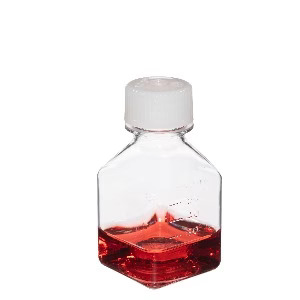
The Dawn of a Golden Age: Nano Gold in Indian R&D
In the microscopic realm of nanotechnology, a quiet revolution is taking place, and its champion is one of humanity's oldest treasures: gold. When shrunk to the nanoscale, this noble metal transforms into nano gold particles, exhibiting extraordinary properties that are catalysing breakthroughs across science and industry. For India, a nation rapidly ascending as a global hub for research and development, the advent of nano gold technology isn't just a scientific curiosity; it's a strategic asset. Aligned with national missions like 'Aatmanirbhar Bharat' (Self-reliant India), harnessing nano gold applications promises to solve some of the country's most pressing challenges in healthcare, electronics, and environmental management.
From the prestigious labs of the Indian Institutes of Technology (IITs) to burgeoning biotech startups in Bangalore and Hyderabad, researchers are exploring how these minuscule particles can create colossal impact. The unique interplay of size, shape, and surface chemistry makes nano gold in medicine a particularly promising frontier, offering novel ways to diagnose and treat complex diseases. This article delves into the transformative world of nano gold, focusing on its relevance and potential for the Indian research community.
Why Indian Researchers are Turning to Nano Gold
The excitement surrounding nano gold isn't without reason. These nanoparticles offer a unique toolkit for researchers, providing advantages that are hard to match. Here are the key nano gold benefits that make them a preferred choice in labs across the country:
- Unmatched Optical Properties: Nano gold particles exhibit a phenomenon called Localized Surface Plasmon Resonance (LSPR), causing them to absorb and scatter light with remarkable efficiency. This property is the cornerstone of their use in highly sensitive diagnostic assays and advanced imaging techniques.
- Superior Biocompatibility: Gold is inherently inert and non-toxic, making nano gold particles highly compatible with biological systems. This is a critical factor for in-vivo applications, including drug delivery and nano gold for tissue engineering scaffolds.
- High Surface Area & Tunable Chemistry: Their minuscule size provides an enormous surface-area-to-volume ratio, allowing a high payload of drugs, proteins, or DNA to be attached. The gold-thiol bond provides a robust and straightforward method for surface functionalization, enabling researchers to "decorate" the particles for specific tasks.
- Enhanced Catalytic Activity: As catalysts, nano gold particles can accelerate chemical reactions at lower temperatures, offering a more sustainable and efficient alternative in industrial processes and environmental remediation—a significant consideration for India's green initiatives.
- Thermal & Electronic Conductivity: These properties are leveraged in the development of next-generation electronics, from printed circuits to highly sensitive biosensors, contributing to India's push in advanced manufacturing.
From Lab to Life: Key Nano Gold Applications in the Indian Context
The theoretical benefits of nano gold translate into powerful, real-world applications that are particularly relevant to India's developmental goals. Here’s a look at the most impactful domains:
Revolutionizing Medicine and Healthcare
This is arguably the most significant area for nano gold in medicine. Researchers are pioneering nano gold for cancer treatment through photothermal therapy, where particles accumulate in tumors and are heated by a laser to destroy cancer cells with minimal side effects. In diagnostics, they are the backbone of rapid diagnostic tests for diseases like dengue and malaria, providing quick, affordable, and point-of-care solutions vital for India's public health infrastructure.
Advanced Diagnostics and Biosensing
The vibrant colorimetric response of nano gold solutions upon aggregation is used to create simple yet powerful biosensors. Indian labs are developing sensors to detect everything from pesticides in food to contaminants in water. The high sensitivity of these nano gold particles allows for the detection of biomarkers at very low concentrations, enabling early disease diagnosis.
Targeted Drug Delivery Systems
One of the most profound nano gold uses is in creating "smart" drug delivery vehicles. By functionalizing the surface of nano gold particles with targeting ligands, they can be programmed to deliver potent drugs directly to diseased cells (e.g., cancer cells), sparing healthy tissue. This targeted approach increases treatment efficacy while drastically reducing systemic toxicity and side effects.
Environmental Remediation
With growing environmental concerns, nano gold offers innovative solutions. As catalysts, they can efficiently break down industrial pollutants and organic contaminants in water. Research is underway to develop nano gold-based filters for water purification, a technology that could provide clean drinking water to millions across India.
Riding the Golden Wave: Opportunities and Market Trends in India
The nano gold market trends in India are on a steep upward trajectory, driven by strong governmental support and a vibrant academic ecosystem. The Department of Science and Technology (DST) and the Department of Biotechnology (DBT) have launched several initiatives to fund nanotechnology research, recognizing its potential to fuel economic growth. This has created a fertile ground for both fundamental research and commercial ventures.
We are witnessing a surge in collaborations between academic institutions like IISc, IIT Bombay, and NCL Pune, and the pharmaceutical industry. These partnerships aim to translate laboratory breakthroughs in nano gold synthesis and applications into commercially viable products. The market is seeing increased demand for precisely engineered particles for specific applications, moving beyond basic research to product development. The focus on 'green synthesis' methods, using plant extracts and microorganisms, is another significant trend, aligning with global sustainability goals and leveraging India's rich biodiversity. For any researcher or institution, now is the opportune moment to invest time and resources into nano gold technology, positioning themselves at the forefront of Indian innovation.
Frequently Asked Questions
Nano gold particles, or gold nanoparticles (AuNPs), are tiny particles of gold with a diameter ranging from 1 to 100 nanometers. Their properties differ significantly from bulk gold, exhibiting unique optical, electronic, and catalytic characteristics due to their quantum size effects and high surface-area-to-volume ratio. This makes them highly valuable in nano gold technology and various applications.
Nano gold synthesis can be achieved through various methods. The most common is the Turkevich method, a chemical reduction of a gold salt like chloroauric acid in water. Other methods include sonochemical, microwave-assisted, and green synthesis using plant extracts, which is a growing field in India. The method chosen determines the size, shape, and stability of the nano gold particles.
The biocompatibility of nano gold is a key area of research. Generally, when properly functionalized (coated with biocompatible molecules), nano gold particles are considered safe for in-vivo applications like diagnostics and targeted drug delivery. Extensive research and clinical trials are ongoing in India and globally to establish long-term safety profiles and regulatory guidelines for nano gold in medicine.
The key nano gold benefits include excellent biocompatibility, low toxicity, high stability, and unique optical properties (Surface Plasmon Resonance). Furthermore, their surface can be easily functionalized with various biomolecules like antibodies, DNA, and drugs, making them a versatile platform for a wide range of nano gold applications, especially in medicine and diagnostics.
For reliable and high-quality nano gold particles, Indian researchers can turn to specialized suppliers like Hiyka. They offer a comprehensive range of products, including standard gold nanoparticles, functionalized particles (e.g., Carboxyl, Amine), and endotoxin-free options crucial for biological research, ensuring consistency and quality for your experiments.