Introduction: The Golden Dawn of Nanotechnology in India
For centuries, gold has been a symbol of wealth and purity. Today, its value is being redefined at an infinitesimal scale. Welcome to the world of nano gold, or gold nanoparticles (AuNPs), a field where science fiction meets reality, promising to solve some of India's most pressing challenges. From the fertile fields of Punjab to the advanced research labs in Bengaluru, these minuscule particles are creating massive waves. But what makes them so special? Unlike the inert metal we see in jewelry, nano gold exhibits unique chemical, optical, and electronic properties that make its applications vast and varied.
For Indian researchers and professionals, understanding nanogold applications is no longer a niche interest but a gateway to innovation. The Government of India's "Nano Mission" has already highlighted the strategic importance of nanotechnology for national development. This blog delves into the core of this golden revolution, exploring the tangible nano gold benefits and its specific relevance to the Indian R&D and industrial landscape. We will uncover how nano gold for agriculture is poised to enhance food security and how its medical applications are paving the way for next-generation diagnostics and therapies. This is not just about scientific curiosity; it's about harnessing a powerful tool for a more prosperous and sustainable India.
Key Benefits of Nano Gold for Researchers
The unique properties of gold nanoparticles offer a treasure trove of advantages for scientists and innovators. Here’s why researchers across India are increasingly turning to nano gold:
- Unmatched Biocompatibility and Stability: Gold nanoparticles are exceptionally stable and non-toxic to most biological systems, making them perfect for in-vivo applications like drug delivery and medical imaging without causing adverse reactions.
- Tunable Optical Properties: AuNPs exhibit a phenomenon called Surface Plasmon Resonance (SPR), causing them to absorb and scatter light with remarkable efficiency. Researchers can "tune" their size and shape to interact with specific wavelengths of light, a crucial benefit for developing highly sensitive biosensors and diagnostic tests (e.g., lateral flow assays like pregnancy tests).
- High Surface Area-to-Volume Ratio: Their tiny size provides a vast surface area, allowing a large number of molecules (like drugs, antibodies, or DNA) to be attached. This makes nanoparticle synthesis and functionalization a powerful platform for creating targeted therapies and multi-functional diagnostic tools.
- Excellent Catalytic Activity: At the nanoscale, gold transforms from an inert metal into a potent catalyst. This has significant implications for green chemistry and industrial processes, enabling reactions to occur more efficiently and with less waste—a key goal for sustainable development in India.
- Enhanced Drug Delivery: Gold nanoparticles can be engineered to carry and protect therapeutic agents, delivering them directly to diseased cells (like cancer tumors) while sparing healthy tissue. This targeted approach enhances treatment efficacy and significantly reduces side effects.
From Lab to Land: Industry-Specific Nanogold Applications in India
The theoretical benefits of nano gold are already translating into practical, high-impact applications across various Indian sectors. Here’s a look at where this technology is making a real difference.
Agriculture & Food Security
The application of nano gold for enhancing plant growth in India is a game-changer. AuNPs can improve seed germination, promote root growth, and increase nutrient uptake from the soil. They can also be used in nano coatings for fertilizers, enabling a slow and targeted release that reduces waste and environmental runoff—a critical innovation for sustainable farming.
Medical Diagnostics & Theranostics
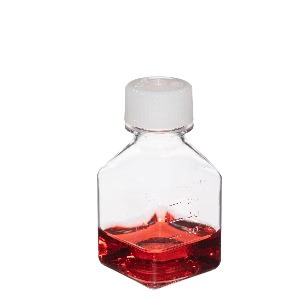
In medicine, nano particles in medicine are driving a paradigm shift. The vibrant color of nano gold solutions is used to create rapid, low-cost diagnostic kits for diseases like malaria and dengue. Furthermore, gold nanorods are being explored in photothermal therapy, where they absorb laser light to generate heat and destroy cancer cells with precision.
Electronics & Sensors
The conductive properties of gold nanoparticles make them ideal for creating transparent conductive films for flexible displays, touch screens, and solar cells. Indian electronic startups and research institutes are leveraging AuNPs to develop next-generation sensors that are more sensitive, smaller, and more efficient than ever before.
Golden Opportunities: India-Specific Trends in Nanotechnology
The landscape of nanotechnology in India is buzzing with potential, driven by government initiatives and a burgeoning ecosystem of startups and research institutions. A key trend is the focus on "frugal innovation"—developing low-cost, high-impact solutions tailored for the Indian market. The demand for nano gold for agriculture is a prime example, where affordable nano-fertilizers and nano-pesticides could dramatically boost crop productivity and farmer incomes. Research on combining the benefits of nanosilver vs nanogold is also gaining traction, with scientists exploring hybrid particles that offer both the antimicrobial power of silver and the stability of gold for advanced water purification systems and medical coatings.
Another significant trend is the development of green nanoparticle synthesis methods. Indian researchers are pioneering techniques that use plant extracts and microorganisms to produce gold nanoparticles, reducing reliance on toxic chemicals and making the process more environmentally friendly and cost-effective. These eco-friendly methods are crucial for scaling up production sustainably. As the "Make in India" initiative gains momentum, domestic manufacturing of high-quality, specialized gold nanoparticles will be essential. This presents a massive opportunity for Indian companies to become key players in the global nanotechnology supply chain, catering to the ever-expanding list of nanogold applications worldwide.