
A New Line of Defense: The Rise of Antiviral Coatings
The global health landscape has irrevocably shifted, placing an unprecedented emphasis on personal protective equipment (PPE). For researchers and professionals in India, this has catalyzed a wave of innovation aimed at moving beyond passive barriers to create active, self-sanitizing materials. At the forefront of this revolution is the **antimicrobial nano copper mask**, a groundbreaking development that embeds the age-old protective properties of copper into modern textiles. This isn't just a marginal improvement; it's a paradigm shift.
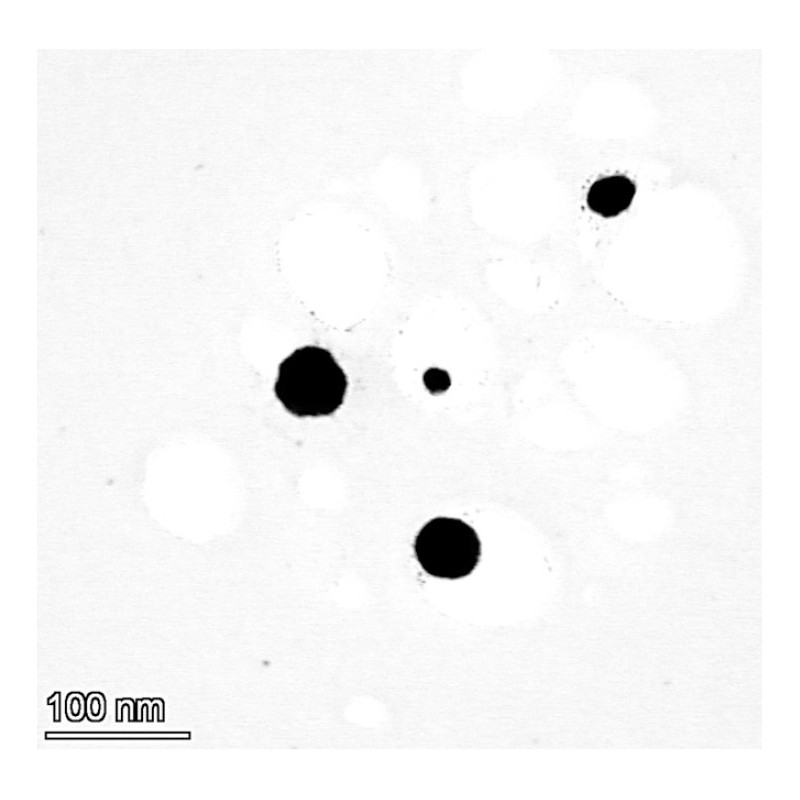
Unlike traditional masks that merely trap pathogens, a textile treated with a **nano copper solution for protective face mask coatings** actively works to destroy them. The technology leverages copper nanoparticles, infinitesimally small particles with a massive surface-area-to-volume ratio, to release copper ions that neutralize viruses and bacteria on contact. This creates a **virus-resistant textile finish** that remains effective over time, offering a durable and reliable layer of protection.
For the Indian R&D community, the potential is immense. Developing a proprietary **breathable protective mask layer** that is both effective and cost-efficient aligns perfectly with the 'Make in India' initiative. It opens doors for creating superior, homegrown **copper-infused PPE** for healthcare workers, industrial laborers, and the general public, reducing reliance on disposable masks and enhancing overall public health security.
Key Advantages for Indian Researchers & Innovators
-
Active Pathogen Neutralization
Go beyond simple filtration. A **copper nanoparticle PPE** actively deactivates microbes, reducing the risk of cross-contamination and surface transmission. This active functionality is a significant leap from passive barrier masks.
-
Durability and Reusability
The **mask textile finish** created with nano copper is often washable, retaining its antimicrobial properties over multiple use cycles. This addresses major environmental and economic concerns associated with single-use masks.
-
Enhanced Breathability and Comfort
Advanced application techniques ensure the **breathable antimicrobial coat** doesn't compromise the fabric's natural airflow. This is crucial for user compliance and comfort during prolonged wear, especially in India's diverse climates.
-
Vast Commercialization Potential
From a **personal protective coat** for doctors to a **hygienic fabric spray** for consumers, the applications are endless. This opens up significant opportunities for Indian startups and established industries to innovate and capture a growing market.
Beyond the Mask: Industry-Wide Applications
Healthcare and Medical Textiles
The most immediate application is in creating self-sanitizing hospital curtains, bed linens, scrubs, and lab coats. An effective **antiviral face covering** for healthcare professionals is just the beginning. This can drastically reduce the incidence of hospital-acquired infections (HAIs), a major challenge in Indian healthcare.
Public Transportation and High-Traffic Areas
Imagine seat covers, handles, and upholstery in buses, trains, and metros coated with a **nano virus-resistant film**. This durable coating provides a continuous hygienic barrier, enhancing public safety and confidence in shared spaces.
HVAC and Air Filtration Systems
Integrating a **nano layer for masks** and filters into HVAC systems can actively purify the air. The copper nanoparticles can neutralize airborne pathogens that pass through the filter, improving indoor air quality in offices, schools, and homes across India.
Consumer Goods and Apparel
The technology extends to consumer products like athletic wear, reusable shopping bags, and even children's clothing. A **respiratory barrier copper** technology can be adapted for everyday apparel, offering an added layer of protection during daily activities.
The Indian Opportunity: A Market Ripe for Innovation
The push for self-reliance in India has created a fertile ground for deep-tech innovations like **antiviral face mask coatings**. Government bodies and private investors are actively seeking solutions that are not only scientifically sound but also scalable and affordable. The demand for a reliable **copper face mask layer** is driven by a more health-conscious populace and stricter occupational safety standards in industries.
For researchers, the focus should be on optimizing the **nano copper solution for protective face mask coatings**. Key research areas include enhancing the bonding mechanism of nanoparticles to various textiles (cotton, synthetics), studying the long-term efficacy against local viral and bacterial strains, and ensuring the final product, whether it's a **copper nanoparticle PPE** or a spray, meets all environmental and health regulations. The development of a stable, aqueous **nano layer for masks** that can be easily integrated into existing textile manufacturing processes is the commercial holy grail.
Frequently Asked Questions
Nano copper particles release copper ions (Cu+) that disrupt microbial cells in multiple ways. They can damage cell membranes, interfere with essential proteins and enzymes, and generate reactive oxygen species (ROS) that cause oxidative stress, leading to the death of the pathogen. This multi-pronged attack makes it difficult for microbes to develop resistance.
Yes, when developed and applied correctly. The key is ensuring the copper nanoparticles are securely bonded to the textile fibers to prevent leaching. Reputable manufacturers conduct extensive testing for skin sensitivity and particle shedding to meet international safety standards. For Indian researchers, this is a critical area of study—optimizing efficacy while guaranteeing user safety.
Many nano copper-infused textiles are designed to be washable. The durability of the antimicrobial effect depends on the technology used to bind the nanoparticles to the fabric. High-quality copper-infused PPE can often withstand dozens of washes without a significant loss in efficacy, making them a more sustainable and cost-effective option than disposable masks.
An N95 mask's primary function is filtration—it's designed to block at least 95% of airborne particles. A copper-infused mask adds an active antimicrobial layer. While it also provides a physical barrier, its main advantage is the ability to actively neutralize pathogens that land on its surface. The ideal solution, which many researchers are working on, is combining high-filtration materials with a breathable antimicrobial coat to get the best of both worlds: active protection and passive filtration.
Relevant Materials for Your Research
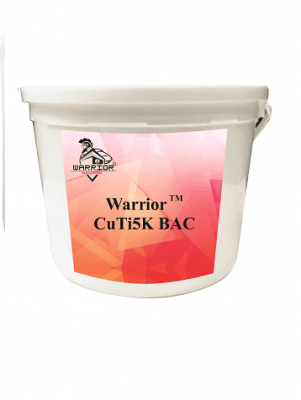


Ready to Innovate?
Advance your research and product development with high-quality nano copper materials. Connect with us to get the right specifications for your project.
Contact Our Experts