The Invisible Threat on Our Walls: Why India Needs a Paint Revolution
In the quest for a healthy living environment, we often focus on air purifiers, clean water, and organic food. Yet, we overlook one of the largest surfaces in our homes and workplaces: the walls. In a country like India, with its diverse climates ranging from humid coasts to dense urban centers, walls can become breeding grounds for a host of invisible threats—bacteria, fungi, and molds. These microbes not only cause unsightly stains and odors but also pose significant health risks, contributing to allergies, respiratory issues, and infections. This is where the convergence of material science and public health offers a groundbreaking solution: antibacterial pigment technology.
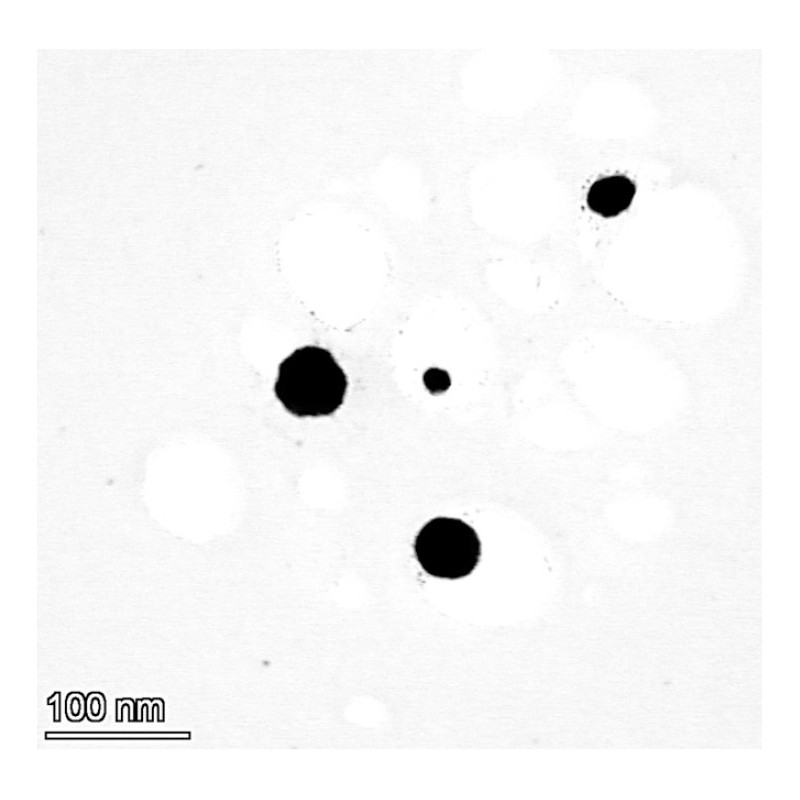
For decades, the paint industry has used biocides to prevent microbial growth. However, concerns over their environmental impact and diminishing efficacy have spurred researchers and industries to look for safer, more durable alternatives. Enter nanotechnology. The development of nano copper modified pigment for anti-bacterial wall paints is a paradigm shift. By harnessing the age-old antimicrobial properties of copper and engineering it at a nanoscale, we can create a copper enhanced emulsion that offers persistent and potent microbial paint resistance.
This isn't just a marginal improvement; it's a leap forward in creating actively hygienic environments. For Indian researchers, material scientists, and paint formulators, this technology opens up a new frontier in developing products that cater to a growing health-conscious market. From hospitals and schools to homes and public infrastructure, the demand for healthy interior paint that actively combats pathogens is on the rise. This article delves into the science, applications, and immense opportunities of using wall copper pigment and nano paint additives to redefine what we expect from a simple coat of paint.
Unlocking a Spectrum of Advantages: Benefits for Researchers and Industry
The integration of nano copper into paint formulations is more than just an innovative concept; it provides tangible benefits that address key challenges in materials science and public health. For the Indian R&D community and manufacturing sector, this nano-paint tech is a gateway to creating high-value, high-impact products.
- Broad-Spectrum Efficacy: Unlike targeted antibiotics, copper ions employ a multi-pronged attack mechanism—disrupting cell walls, inhibiting enzyme function, and inducing oxidative stress—making them effective against a wide range of bacteria, viruses, and fungi. This reduces the risk of microbial adaptation and resistance.
- Long-lasting Protection: The copper-pigment blend is physically integrated into the paint matrix. As an inorganic material, copper does not degrade or lose its antimicrobial properties over time, ensuring the wall surface remains protected for the entire lifespan of the paint. This offers superior durability compared to conventional organic biocides.
- Enhanced Safety Profile: Modern formulations ensure that the nano paint additive is securely bound within the paint film, minimizing the leaching of nanoparticles. This results in a home hygiene paint that is safe for indoor environments, including for children and pets, while providing continuous pathogen-blocking color.
- Market Competitiveness and Innovation: For Indian paint manufacturers, adopting this technology is a significant differentiator. It allows them to cater to the premium and health-focused segments, including healthcare, hospitality, and residential projects, thereby creating a strong competitive advantage.
- Alignment with National Goals: Developing advanced materials like copper enhanced emulsion aligns perfectly with national initiatives such as 'Make in India' and 'Swachh Bharat Abhiyan'. It fosters indigenous R&D and manufacturing of high-tech products that contribute directly to public health and hygiene.
- Versatility in Formulation: Researchers can explore various forms of nano copper—from dry powders to aqueous dispersions—to optimize their integration into different paint bases (water or solvent-based). This flexibility allows for the fine-tuning of properties like color stability, viscosity, and antimicrobial potency.
From Hospitals to Homes: Real-World Applications of Pathogen-Blocking Color
Healthcare and Laboratories
In environments where sterility is paramount, nano copper paints are a game-changer. They provide an active layer of defense on walls in operating theatres, patient rooms, and laboratories, continuously reducing the microbial load on surfaces and helping to curb the spread of hospital-acquired infections (HAIs).
Educational Institutions & Childcare
Schools and daycare centers are hotspots for germ transmission. Using healthy interior paint with wall copper pigment on classroom walls, corridors, and play areas helps create a safer environment for children, reducing absenteeism due to common illnesses.
Residential and Commercial Buildings
For the modern Indian home, home hygiene paint offers peace of mind. It's ideal for kitchens, bathrooms, and children's bedrooms—areas prone to moisture and microbial growth. In offices and commercial spaces, it contributes to a healthier workspace for employees.
Hospitality and Food Industry
Hotels, restaurants, and food processing units must adhere to strict hygiene standards. A copper-pigment blend in paints provides an effective, long-term solution for maintaining clean walls in kitchens, dining areas, and guest rooms, preventing cross-contamination.
Public Transportation and Infrastructure
High-traffic areas like metro stations, airports, and buses are touched by thousands daily. Applying paints with microbial paint resistance to these surfaces can significantly lower the presence of pathogens, contributing to overall public health safety.
Livestock and Agriculture
Beyond human spaces, these paints have applications in agricultural settings. Coating the walls of poultry farms or dairy sheds can help control the spread of animal-specific pathogens, improving livestock health and productivity without relying heavily on antibiotics.
The Indian Market: A Fertile Ground for Nano-Paint Tech
The Indian paint and coatings market is on an upward trajectory, driven by urbanization, infrastructure development, and a rising disposable income. Within this landscape, a powerful new trend is emerging: the demand for functional, value-added products. Post-pandemic, consumer awareness regarding health and hygiene has skyrocketed, creating an unprecedented market opportunity for technologies like nano copper modified pigment for anti-bacterial wall paints.
Indian researchers are uniquely positioned to lead innovation in this space. There is a pressing need for localized R&D to optimize copper enhanced emulsion formulations for the specific environmental conditions in India. This includes studying the efficacy against local microbial strains, ensuring stability in high-humidity climates, and developing cost-effective production methods. Collaborations between academic institutions and industry players can accelerate the journey from lab-scale synthesis of a nano paint additive to commercial-scale production.
Furthermore, the government's focus on smart cities and public health infrastructure provides a massive potential for large-scale deployment. Specifying the use of paints with proven microbial paint resistance in public projects—hospitals, schools, public housing—can create a sustained demand. This is a clear signal for manufacturers to invest in nano-paint tech and build a robust supply chain for essential components like high-purity nano copper powders and dispersions. The future of paint is not just about color; it's about creating intelligent, responsive surfaces that actively contribute to a healthier India.
Frequently Asked Questions
Nano copper particles have a high surface-area-to-volume ratio, which allows for increased release of copper ions (Cu2+). These ions disrupt bacterial cell membranes, interfere with essential enzymes, and generate reactive oxygen species (ROS), leading to bacterial death. This multi-pronged attack makes it highly effective against a broad spectrum of microbes.
Yes, when formulated correctly. The nano copper particles are embedded within the paint's matrix, minimizing direct exposure. Reputable manufacturers conduct extensive leaching and safety tests to ensure the paint complies with international safety standards for residential use. These paints offer an added layer of hygiene without compromising indoor air quality.
Nano copper offers superior durability and a longer-lasting antimicrobial effect compared to many traditional organic biocides, which can degrade over time due to UV exposure or cleaning. Copper's inorganic nature means it doesn't break down, providing persistent microbial paint resistance throughout the life of the paint film.
Nano copper antibacterial pigments are versatile and can be formulated for compatibility with various paint systems, including water-based (emulsion) and solvent-based paints. However, proper dispersion and formulation by paint technologists are crucial to ensure stability, efficacy, and avoid issues like color change or loss of paint properties. It's best to use pre-formulated nano paint additives or paints.