
Introduction: The Rising Importance of Nano Toxicology in India
Nanotechnology, the manipulation of matter on an atomic and molecular scale, has heralded a new era of innovation across Indian industries—from medicine and electronics to energy and environmental science. At the heart of this revolution are nanoparticles, materials with dimensions typically ranging from 1 to 100 nanometers. Copper nanoparticles (CuNPs), in particular, have gained immense attention due to their unique catalytic, antimicrobial, and conductive properties. However, as their application widens, so does the critical need to understand their potential impact on human health and the environment. This is where nano toxicology comes into play.
Nano toxicology is the specialized study of the toxicity of nanomaterials. It seeks to understand how the unique physicochemical properties of nanoparticles—such as size, shape, surface area, and charge—influence their interaction with biological systems. For researchers and professionals in India, a nation rapidly advancing its nanotech capabilities, a deep understanding of copper cytotoxicity is not just academic; it's a matter of ensuring safe, sustainable, and responsible innovation.
This guide focuses specifically on the cytotoxic evaluation of copper nanoparticles. Cytotoxicity refers to the quality of being toxic to cells. An in vitro nanoparticle test (a test performed in a controlled environment outside a living organism, like a petri dish) is the foundational method for assessing this. By examining the cell response to copper, scientists can predict potential health risks, establish safety guidelines, and design biocompatible nanomaterials. This process involves using stable suspensions, such as a copper colloidal solution in water, to ensure that the results of the aqueous nano assay are accurate and reproducible.
Why This Matters: Benefits for Indian Researchers
A thorough grasp of nano toxicology test protocols offers significant advantages for the Indian research community:
- Enhancing Research Credibility: Publishing robust, reproducible data on nano bio compatibility strengthens the global standing of Indian research institutions.
- Accelerating Product Development: Early and accurate cytotoxic evaluation helps in the 'safe-by-design' approach, preventing costly failures in later stages of product development.
- Meeting Regulatory Standards: As India's regulatory framework for nanomaterials evolves, expertise in lab safety tests and toxicity evaluation will be essential for compliance.
- Fostering Innovation: Understanding colloidal biointeraction allows for the creation of novel, safer nanoparticles for applications in targeted drug delivery, diagnostics, and antimicrobial coatings.
- Protecting Health: Performing diligent copper exposure tests ensures the safety of lab personnel, end-users, and the environment, aligning with national health objectives.
Industrial Applications Driven by Copper Nanoparticle Research
The insights gained from copper cytotoxicity studies are directly fueling innovation across several key sectors in India.
Biomedical and Healthcare
Copper's potent antimicrobial properties are being harnessed to create advanced wound dressings, antimicrobial coatings for medical devices, and even as therapeutic agents in cancer treatment. In vitro nanoparticle tests are critical to ensure these materials kill pathogens without harming human cells.
Electronics and Conductive Inks
Copper nanoparticles are a cost-effective alternative to silver in conductive inks for printed electronics, RFID tags, and solar cells. Cytotoxic evaluation ensures the safety of manufacturing workers and consumers who handle these electronic products.
Water Purification
The catalytic and antimicrobial nature of CuNPs makes them effective for degrading pollutants and disinfecting water. Nano toxicology studies are essential to determine safe concentration limits and prevent the release of toxic materials into aquatic ecosystems.
Agriculture
In agriculture, copper nanoparticles are explored as novel fungicides, bactericides, and micronutrient supplements. Understanding the cell response to copper helps develop formulations that are effective for plants but safe for soil microbes, animals, and humans.
Navigating the Landscape: Trends and Opportunities in India
The Indian government's focus on initiatives like 'Make in India' and the National Mission on Nanoscience and Nanotechnology (Nano Mission) has created a fertile ground for R&D in materials science. For researchers working on copper cytotoxicity, this translates into significant opportunities. The demand for standardized in vitro nanoparticle test protocols is growing as more industries look to integrate nanomaterials into their products.
The Core of the Assay: Understanding the Cell Response to Copper
The fundamental goal of a cytotoxic evaluation is to measure how cells behave after a copper exposure test. This is typically done using established cell lines (e.g., HeLa, A549, or HaCaT) and a series of assays. The most common is the MTT assay, which measures cell metabolic activity—a proxy for cell viability. A decrease in metabolic activity indicates a cytotoxic effect. Other assays, like the LDH assay (measuring membrane integrity) or flow cytometry (for apoptosis/necrosis analysis), provide a more detailed picture of the cell death mechanism.
A key challenge in any aqueous nano assay is the nanoparticle's behavior in the culture medium. Nanoparticles can interact with proteins and salts, leading to aggregation. This is why starting with a stable copper colloidal solution in water is paramount. Researchers must meticulously characterize the nanoparticle dispersion in the biological medium to ensure the results reflect the true colloidal biointeraction and not an artifact of particle instability. This commitment to rigorous methodology is what defines a high-quality nano toxicology test.
Recommended Materials for Your Research
High-quality, well-characterized nanoparticles are essential for reliable cytotoxicity studies.
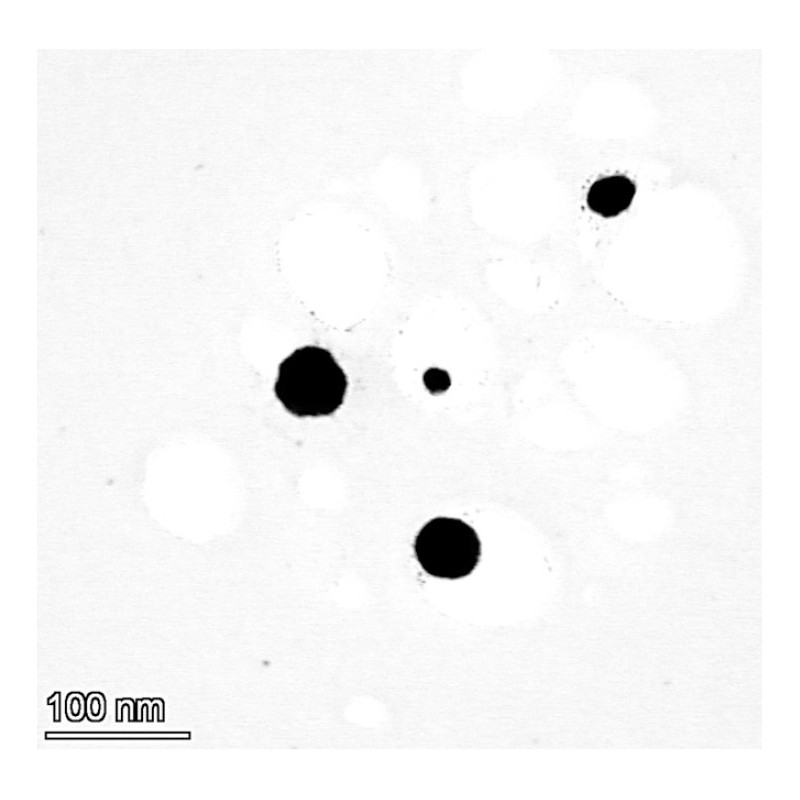
Copper nanoparticles aqueous dispersion 70nm (3wt% and 10wt%)
View Product →
Copper Nanoparticles, 20nm-200nm, 99.9% Purity
View Product →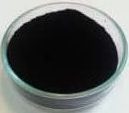
Copper Oxide Nanopowder Dry
View Product →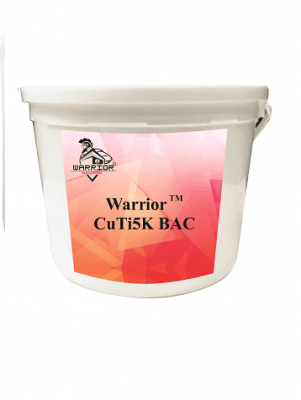
Warrior CuTi5K BAC Antimicrobial Additive (Solid Powder Nano Copper based)
View Product →Frequently Asked Questions
The primary mechanism is believed to be the release of copper ions (Cu²⁺) from the nanoparticles, which induces oxidative stress through the generation of reactive oxygen species (ROS). This leads to lipid peroxidation, protein damage, and DNA damage, ultimately causing cell death (apoptosis or necrosis).
In vitro tests are crucial as a first-pass screening tool. They are cost-effective, rapid, and allow for high-throughput analysis of various parameters (like dose-response, particle size, and surface coating effects). They help identify potential toxicity and mechanisms, reducing the need for extensive and ethically complex animal testing.
The stability and properties of the colloidal solution are critical. Agglomeration or aggregation of nanoparticles in the culture medium can alter their effective size, surface area, and cellular uptake, leading to variable and often underestimated toxicity results. Using a stable copper colloidal solution in water or a suitable medium is vital for reproducible nano toxicology tests.
Lab safety tests are paramount due to the potential inhalation and dermal exposure risks of nanoparticles. Researchers must use appropriate personal protective equipment (PPE), work in ventilated hoods, and follow strict protocols for handling and disposal to minimize health risks associated with these highly reactive materials.
Ready to Advance Your Research?
Access high-purity copper nanoparticles and expert support for your nano toxicology and material science projects. Let's innovate safely together.
Get in Touch