
A New Frontier in Surgical Safety: Tackling Orthopedic Infections
In the world of orthopedic surgery, success isn't just measured by the perfect placement of an implant, but by the patient's long-term, complication-free recovery. One of the most devastating complications is the post-operative surgical site infection (SSI). These infections can lead to prolonged hospital stays, revision surgeries, increased healthcare costs, and significant patient suffering. In a country like India, with its vast and diverse population, the challenge of preventing these infections is paramount for both public and private healthcare sectors.
The traditional methods of infection control, primarily relying on sterile operating environments and systemic antibiotics, are facing a formidable new enemy: antibiotic-resistant bacteria. This growing threat has pushed researchers and innovators to think beyond conventional solutions and look towards materials science for an answer. The solution might just be microscopic in scale but monumental in impact: nano copper implants.
This is where cutting-edge nanotechnology meets medical science. By applying an ultra-thin antimicrobial implant coating made of copper nanoparticles, we can transform a standard, passive medical device into an active defense mechanism against infection. This surgical nanocoating technology is not just a theoretical concept; it's a rapidly advancing field with the potential to redefine the standards of implant biocompatibility and safety. For Indian researchers, material scientists, and medical device manufacturers, this represents a significant opportunity to innovate and lead in developing next-generation orthopedic solutions.
Why Nano Copper is a Game-Changer for Researchers & Clinicians
Potent Broad-Spectrum Antimicrobial Action
Nano copper coatings provide a powerful, localized defense against a wide range of bacteria, including antibiotic-resistant strains like MRSA. The infection prevention layer actively kills microbes on contact, drastically reducing the risk of biofilm formation on the implant surface.
Enhanced Implant Biocompatibility & Osseointegration
Beyond its antimicrobial properties, copper is known to be an essential trace element for the human body. Studies suggest that a controlled release of copper ions can promote osseointegration (the process of bone growing onto the implant) and angiogenesis (new blood vessel formation), leading to faster, stronger healing and improved implant biocompatibility.
Reduced Reliance on Systemic Antibiotics
By creating a self-defending implant, the need for high-dose, long-term systemic antibiotics can be reduced. This helps combat the global crisis of antibiotic resistance and minimizes the potential side effects associated with prolonged antibiotic use for patients.
Versatility in Application
The nano copper coating for orthopedic surgical implants can be applied to a variety of common materials, including titanium, stainless steel, and polymers. This means the technology can be used to enhance a wide range of devices, from joint replacements to trauma fixation plates and screws.
Long-Lasting Protection
The nanocoating is designed to provide sustained release of antimicrobial agents over the critical post-operative period when the risk of infection is highest. This ensures durable protection without compromising the long-term structural integrity of the implant.
Cost-Effectiveness in the Long Run
While there's an initial investment in the technology, preventing a single implant infection can save the healthcare system lakhs of rupees in revision surgeries, extended hospital stays, and additional treatments, making it a highly cost-effective solution.
Diverse Applications in Orthopedic Enhancements

Total Joint Arthroplasty (Knee/Hip Replacements)
Periprosthetic joint infection (PJI) is a catastrophic complication of joint replacement surgery. An antimicrobial implant coat of nano copper on knee and hip implants can provide a crucial line of defense, protecting these high-stakes procedures and improving patient mobility and quality of life.

Trauma and Fracture Fixation
In open fractures, where the bone is exposed, the risk of contamination and infection is extremely high. Using plates, screws, and rods with an orthopedic copper coat can significantly mitigate this risk. This is a critical copper surgical application for improving outcomes in trauma care.

Spinal and Dental Implants
The principles of anti-infective nanotech are equally applicable to other surgical fields. Spinal cages, pedicle screws, and dental implants are all susceptible to biofilm formation. A nano surgical surface can prevent infections like peri-implantitis, ensuring the long-term success of these procedures.

Custom and 3D-Printed Implants
As personalized medicine advances, so does the use of custom 3D-printed implants. Incorporating nano copper particles directly into the bone fixation material during the printing process or as a post-production coating is a frontier for R&D, offering bespoke, infection-resistant solutions for complex cases.
The Indian Landscape: Opportunities and Research Trends
India's burgeoning medical device market and its strong base of scientific talent make it a fertile ground for the development and adoption of orthopedic enhancements like nano copper coatings. The "Make in India" initiative provides a significant tailwind for domestic R&D and manufacturing of advanced medical technologies. Indian research institutions are increasingly focusing on nanomaterials for biomedical applications, creating a rich ecosystem for collaboration.
The demand for orthopedic procedures is rising steadily due to an aging population, lifestyle changes, and increased access to healthcare. This creates a large market for safer and more effective implants. Developing an indigenous nano copper coating for orthopedic surgical implants would not only address a critical healthcare need but also position India as a leader in medical nanotechnology. The focus is on creating a cost-effective orthopedic copper coat that can be widely adopted across the country's healthcare spectrum.
For researchers and companies in India, the key lies in optimizing the coating process, ensuring rigorous quality control, and conducting clinical trials that validate both the safety (implant biocompatibility) and efficacy of the copper for implants. The journey from a lab-proven concept to a widely used clinical product is challenging, but the potential rewards—in terms of both patient health and economic growth—are immense.
Frequently Asked Questions
Nano copper implants are standard orthopedic implants (like those used for joint replacements or bone fixation) that have been enhanced with a microscopic layer or coating of copper nanoparticles. This 'surgical nanocoating' provides powerful antimicrobial properties to prevent infections directly at the surgical site.
The nano copper coating works by releasing copper ions (Cu2+), which disrupt bacterial cell membranes, generate reactive oxygen species (ROS) that damage bacterial DNA, and interfere with essential proteins and enzymes. This multi-pronged attack effectively kills a broad spectrum of bacteria and prevents them from forming biofilms on the implant surface, a primary cause of post-surgical infections.
Yes, extensive research focuses on ensuring the implant biocompatibility of these coatings. The concentration of copper is carefully controlled to be lethal to microbes but safe for human cells. Moreover, studies indicate that copper can promote osteogenesis (new bone growth) and angiogenesis (formation of new blood vessels), which can lead to better implant integration and faster healing.
Absolutely. One of the major advantages is that nano copper coatings can be applied to a wide range of standard orthopedic materials, including titanium alloys, stainless steel, and PEEK (polyetheretherketone). This allows manufacturers to enhance existing, proven implant designs with advanced anti-infective nanotech without needing to completely re-engineer the base material.
Relevant Nano Copper Materials for Your Research
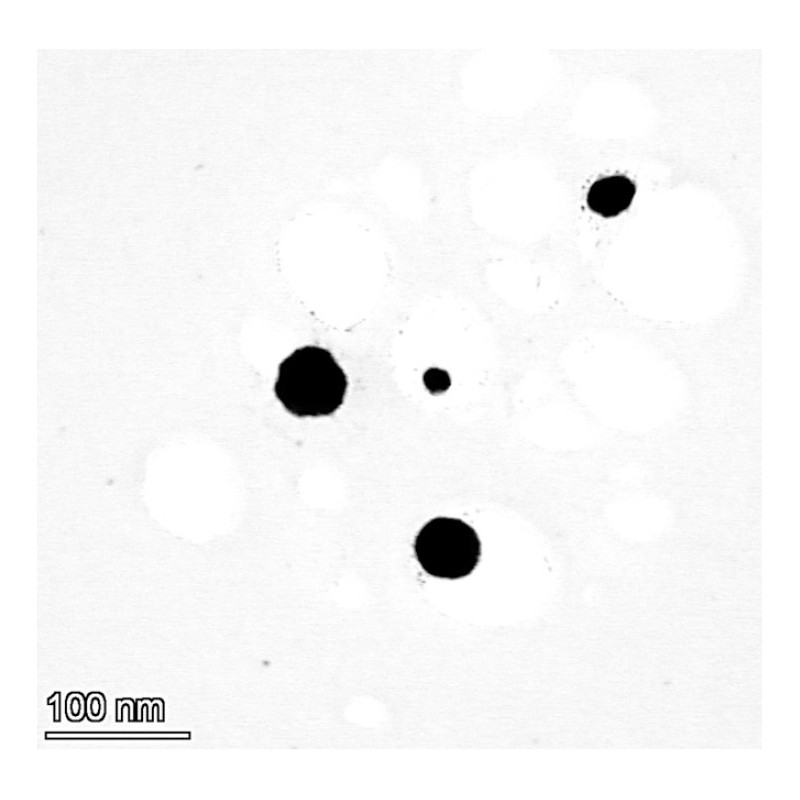
Copper nanoparticles aqueous dispersion 70nm (3wt% and 10wt%)
View Product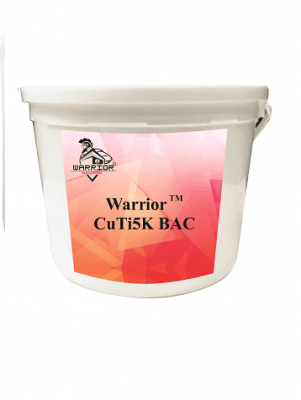
Warrior CuTi5K BAC Antimicrobial Additive (Solid Powder Nano Copper based)
View Product
Nano Copper 20nm & 100nm (Dry)
View Product
High Purity Copper Nanopowder
View ProductReady to Advance Your Orthopedic Research?
Explore our extensive range of high-purity nano copper powders, dispersions, and antimicrobial additives to fuel your next innovation in medical technology. Get the materials you need to develop the next generation of anti-infective implants.
Browse Copper Nanomaterials