
The Dawn of a New Energy Era
In the relentless pursuit of energy efficiency and sustainability, a silent revolution is underway, powered by materials so small they defy imagination. We're talking about nano ceramics, a class of advanced materials at the forefront of thermoelectric energy conversion. For a nation as dynamic and energy-hungry as India, harnessing the power of these nano materials is not just an academic curiosity; it's a strategic imperative. From powering remote sensors in the Himalayas to recovering waste heat in bustling industrial hubs, the potential of nanotechnology in energy conversion is immense.
Thermoelectric materials possess a unique ability: they can convert a temperature difference directly into electrical voltage, and vice-versa. This phenomenon, known as the Seebeck effect, has been known for nearly two centuries. However, its practical application has been limited by the low efficiency of traditional materials. This is where nano ceramics change the game. By engineering materials at the nanoscale, scientists and researchers in India can now dramatically enhance thermoelectric performance. This breakthrough opens doors to a future where waste heat from engines, power plants, and even our own bodies can be transformed into usable electricity, marking a significant leap in thermal management and energy efficiency.
This blog delves into the world of nano ceramics for thermoelectric energy conversion, exploring their fundamental principles, benefits for the Indian R&D community, and transformative applications across various industries. We will navigate the landscape of advanced ceramics and ceramic composites, uncovering the opportunities and trends that position India as a key player in this nanotechnology revolution. For researchers, engineers, and innovators, understanding these materials is the first step towards building a more sustainable and energy-independent future.
Why Researchers Should Be Excited
For the Indian research community, nano ceramics offer a fertile ground for innovation with tangible benefits:
-
Unprecedented Efficiency Gains
Nanostructuring allows for the decoupling of thermal and electrical properties. Researchers can significantly reduce thermal conductivity by scattering phonons at grain boundaries, while preserving electron pathways, leading to a higher Figure of Merit (ZT), the key metric for thermoelectric performance.
-
Versatility in Material Design
The field of nano materials is vast. Researchers can experiment with a wide array of compositions, from traditional bismuth telluride to novel ceramic composites and oxides. This provides a rich playground for discovering new, cost-effective, and earth-abundant thermoelectric materials.
-
High-Temperature Stability
Many industrial processes generate high-grade waste heat. High-temperature ceramics engineered at the nanoscale offer superior stability and performance in extreme environments, making them suitable for applications where conventional materials fail, a critical area for industrial R&D in India.
Transforming Indian Industries
Automotive Sector
Imagine cars that are 5-10% more fuel-efficient. By integrating thermoelectric generators (TEGs) made from nano ceramics into the exhaust system, waste heat can be converted into electricity to power the vehicle's electronics, reducing the load on the alternator and saving fuel. This is a massive opportunity for India's booming automotive industry.
Industrial Waste Heat Recovery
Steel mills, cement plants, and refineries in India release enormous amounts of thermal energy. Advanced ceramics-based TEGs can capture this waste heat and convert it into a valuable power source, improving overall energy efficiency, reducing operational costs, and lowering the carbon footprint.
Aerospace & Defense
In aerospace and defense, reliability is paramount. Solid-state thermoelectric devices, with no moving parts, offer a highly reliable power source for satellites, deep-space probes, and remote military installations. High-temperature ceramics are crucial for withstanding the harsh conditions of these environments.
India-Specific Trends and Opportunities
The landscape for nanotechnology and advanced materials in India is ripe with opportunity. The Government of India's focus on 'Make in India', 'Aatmanirbhar Bharat', and renewable energy targets creates a fertile ecosystem for R&D in thermoelectricity. Research institutions and universities are increasingly receiving grants to explore novel nano materials for energy applications. The key trend is the shift towards earth-abundant and non-toxic materials. While tellurides have dominated the field, Indian researchers are making strides with oxides, silicides, and other ceramic composites that are more sustainable and cost-effective.
Furthermore, the rise of the Internet of Things (IoT) presents a unique market. A vast network of sensors for smart cities, agriculture, and environmental monitoring requires independent, long-lasting power sources. Thermoelectric generators based on nano ceramics can harvest ambient thermal energy to power these devices, eliminating the need for batteries and creating a truly self-sustaining network. This synergy between energy conversion and digital infrastructure is a multi-billion dollar opportunity waiting to be tapped by Indian innovators.
Explore Relevant Nano Ceramic Products
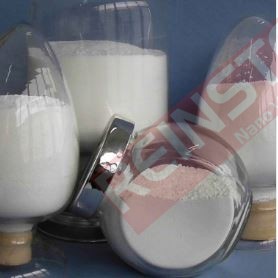
Zirconium Oxide (ZrO2) Ceramics
View Product
Special Antibacterial Self-cleaning Functional Additive for Ceramics
View Product
Smart Coatings for Ceramic Surfaces
View Product
BaTiO3 Nanoparticles For Ceramics, 100nm
View ProductFrequently Asked Questions
Ready to Innovate with Nano Ceramics?
Connect with us to source high-purity nano materials and advanced ceramics for your research and development projects. Let's build the future of energy, together.
Contact Our Experts