The Dawn of a Sustainable Era in Indian Construction
India's construction industry is a cornerstone of its economic growth, but it comes with a significant environmental cost: massive generation of Construction and Demolition (C&D) waste. According to government estimates, the country generates over 150 million tonnes of C&D waste annually, with official recycling capacity lagging far behind. This escalating crisis of overflowing landfills and resource depletion calls for a paradigm shift. Enter Nano Ceramics, a groundbreaking field of materials science poised to tackle this challenge head-on.
This is not just another incremental improvement; it's a technological leap. By harnessing the power of Sustainable Nanomaterials, we can redefine waste as a valuable resource. This article delves into the transformative potential of Nanotechnology in Construction, specifically focusing on how Ceramic Nanomaterials can be used for Construction Waste Recycling. For Indian researchers, engineers, and policymakers, understanding and adopting these Eco-Friendly Ceramics is not just an opportunity—it's an imperative for building a sustainable, circular economy.
Why Researchers Should Be Excited: The Nanoscale Advantage
For the Indian R&D community, the application of nano ceramics in waste recycling opens up a universe of possibilities. The unique properties of materials at the nanoscale offer unprecedented control over the final product's characteristics. Here’s what makes this field a fertile ground for innovation:
-
Unlocking Superior Material Properties
Nano-reinforcement can elevate recycled aggregates to meet or even exceed the performance of virgin materials. This includes enhanced compressive strength, superior thermal insulation, and increased durability, creating High-Performance Ceramic Materials from waste.
-
Enabling Functional Materials
The research extends beyond structural integrity. Incorporating specific Ceramic Nanomaterials can impart novel functionalities, such as self-cleaning surfaces, photocatalytic activity for pollution reduction, and antimicrobial properties—all within Recyclable Ceramics.
-
Driving a Circular Economy
This research directly contributes to solving one of India's most pressing environmental problems. Developing effective Construction Waste Solutions through nanotechnology provides a clear pathway to a circular economy, aligning with national sustainability goals.
From Lab to Landmark: Industry Applications
The practical applications of nano ceramics for construction waste recycling are vast and varied. This technology is not theoretical; it's creating tangible products that can be integrated into the construction supply chain. Here are some key areas where this innovation is making an impact:
High-Strength Green Concrete
By incorporating silica (SiO2) or alumina (Al2O3) nanoparticles into concrete mix made with recycled aggregates, we can significantly enhance its mechanical strength and durability. These nanoparticles fill the micropores, creating a denser, less permeable concrete that is stronger and more resistant to environmental degradation.
Recycled Ceramic Tiles & Blocks
Waste glass and ceramic fragments can be crushed and reformed into new tiles and paving blocks. Ceramic Nanomaterials act as sintering aids, allowing the particles to fuse at lower temperatures, saving energy and creating a robust final product with excellent aesthetic and functional qualities.
Lightweight Insulating Bricks
Combining recycled brick dust and fly ash with nano-ceramic binders can produce lightweight bricks with superior thermal insulation properties. These Eco-Friendly Ceramics contribute to energy-efficient buildings, reducing heating and cooling costs over the building's lifecycle.
Functional Nano Coatings for Buildings
Beyond creating new materials, Nano Coatings for Buildings can be applied to surfaces made from recycled materials. Titanium dioxide (TiO2) nanoparticles, for instance, can create self-cleaning and air-purifying facades, while other nano-ceramic coatings provide hydrophobic or anti-graffiti protection.
The Indian Context: Opportunities and Future Trends
The push for sustainable development in India, driven by initiatives like the Smart Cities Mission and Swachh Bharat Abhiyan, creates a fertile ground for Nanotechnology Applications in construction. The government's emphasis on waste management and the circular economy presents a significant market opportunity for technologies that can convert C&D waste into wealth.
A key trend is the move towards localized Construction Waste Solutions. Setting up decentralized recycling units that utilize nano-ceramic technology can reduce transportation costs and create local green jobs. For Indian researchers, this means a focus on developing cost-effective Sustainable Nanomaterials from locally available precursors. The demand for High-Performance Ceramic Materials that are also eco-friendly is on the rise, driven by a new generation of architects and builders who prioritize sustainability. Collaborations between research institutions like the IITs and private sector players will be crucial in scaling up these solutions from the laboratory to commercial production, making Recyclable Ceramics a mainstream reality in the Indian construction landscape.
Essential Materials for Your Research
Advancing research in nano-enhanced recycling requires access to high-purity, reliable nanomaterials. Here are four relevant products crucial for developing next-generation sustainable construction solutions.
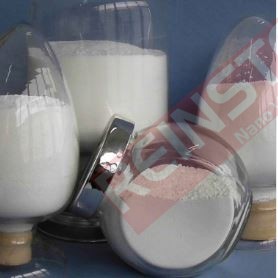
Zirconium Oxide (ZrO2) Ceramics
View Product
Smart Coatings for Ceramic Surfaces
View Product
Special Antibacterial Self-cleaning Functional Additive for Ceramics
View Product
BaTiO3 Nanoparticles For Ceramics, 100nm
View ProductFrequently Asked Questions
Nano ceramics are advanced materials engineered at the nanoscale (typically below 100 nanometers). This small particle size gives them exceptional properties not found in conventional ceramics, such as superior strength, hardness, chemical resistance, and unique thermal and electrical characteristics, making them ideal for high-performance applications.
Nano ceramics act as powerful binders and reinforcing agents. When added to processed construction waste (like crushed concrete, glass, or brick dust), they fill microscopic voids and create strong chemical bonds. This process, often called 'nanomodification,' transforms low-value debris into high-performance, recyclable ceramics and composites suitable for new construction projects.
Yes, incredibly so. The addition of ceramic nanomaterials significantly enhances the mechanical properties of the recycled material. The resulting products often exhibit greater compressive strength, lower water absorption, and improved resistance to abrasion and chemical attack compared to traditional materials, ensuring long-term durability.
The primary challenges include the high initial cost of producing high-purity nanomaterials, the need for specialized equipment and skilled labor, and a lack of standardized regulations for nano-enhanced construction materials. Overcoming these requires further R&D to lower costs, coupled with policy support and industry-academia collaboration.
For Indian researchers and professionals, sourcing high-purity, research-grade ceramic nanomaterials is crucial. Specialized suppliers like Hiyka offer a wide range of products, including Zirconium Oxide (ZrO2), Barium Titanate (BaTiO3), and functional additives, providing the necessary materials for cutting-edge research in sustainable construction.
Ready to Innovate?
Join the sustainable construction revolution. Whether you're a researcher, manufacturer, or builder, the future is in your hands. Explore our range of nanomaterials or contact our experts to discuss your project needs.
Get in Touch