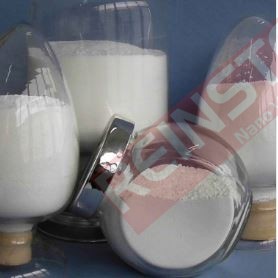
The Dawn of a Material Science Renaissance in India
In the bustling landscape of Indian research and development, a quiet but powerful revolution is underway. It's not happening in the domain of software or IT, but at a scale a thousand times smaller than the width of a human hair. We're talking about nano ceramics, a class of advanced materials poised to redefine the boundaries of engineering and technology. For researchers, scientists, and industry leaders across India, understanding these materials is no longer optional; it's fundamental to staying competitive and driving innovation.
So, what are they? At their core, nano ceramics are ceramic materials—compounds of metallic and non-metallic elements—engineered at the nanoscale. By controlling the structure of these materials at such a minuscule level, we can unlock properties that are simply impossible with their conventional, larger-grained counterparts. Imagine coatings harder than steel but applied as a thin, transparent film; composites that are feather-light yet can withstand extreme temperatures; or filters that can purify water at a molecular level. This is not science fiction; this is the tangible reality of nanotechnology solutions.
For India, a nation on a determined path of industrial self-reliance through initiatives like 'Make in India' and 'Aatmanirbhar Bharat', the implications are profound. The adoption of advanced ceramics and nano ceramic composites offers a direct route to creating high-value, high-performance products domestically. It's an opportunity to leapfrog outdated technologies and establish a new paradigm of manufacturing excellence, one built on the incredible potential of nano materials.
Why Indian Researchers Should Be Excited About Nano Ceramics
The field of ceramic engineering is experiencing a renaissance, and Indian researchers are at the heart of it. Working with nano ceramics opens up a universe of possibilities that can accelerate careers and contribute significantly to national progress. Here’s why this domain is a goldmine for the Indian R&D community:
- Unprecedented Material Properties: Researchers can develop materials with tailored characteristics—exceptional hardness, thermal stability, biocompatibility, and electrical conductivity. This allows for groundbreaking work in creating next-generation products.
- High-Impact Application Development: From creating life-saving biomedical implants to designing ultra-efficient nano ceramic coatings for the aerospace industry, the research directly translates into high-impact, real-world applications.
- Fostering Interdisciplinary Collaboration: The study of nano ceramics is inherently interdisciplinary, bridging physics, chemistry, materials science, and engineering. This encourages collaboration between different research institutions and industries, creating a vibrant innovation ecosystem.
- Alignment with National Priorities: Research in advanced materials is a key focus area for Indian governmental bodies like DST and CSIR. This alignment increases the likelihood of securing funding, grants, and institutional support for projects centered on ceramic technology.
- Global Recognition and Competitiveness: By publishing pioneering work on nano ceramic composites and their applications, Indian researchers can gain international acclaim and position India as a global hub for advanced material science.
Transforming Key Indian Sectors: Real-World Applications
The theoretical promise of nano ceramics is already translating into practical, value-driven applications across India's most vital industries. This is where the lab meets the market, creating tangible economic and social benefits.
Aerospace & Defense
Components in aircraft engines, rocket nozzles, and satellite systems are subjected to extreme heat and stress. Nano ceramic coatings act as thermal barriers, protecting critical parts and improving fuel efficiency. Furthermore, lightweight nano ceramic composites are used to manufacture stronger, more durable armor and structural components, enhancing the performance and safety of defense equipment.
Healthcare & Biomedical
The biocompatibility and wear-resistance of advanced ceramics like zirconia make them ideal for medical implants, such as hip replacements and dental crowns. At the nanoscale, these materials can be engineered to promote bone growth and reduce the risk of rejection. They are also being explored for advanced drug delivery systems, offering targeted treatment with fewer side effects.
Energy & Environment
In the quest for clean energy, nano ceramics play a pivotal role. They are used to enhance the efficiency of solar panels, create better insulators for power grids, and develop durable components for nuclear reactors. In environmental applications, nano ceramic membranes are revolutionizing water purification, offering a highly effective method to remove contaminants and provide safe drinking water.
Automotive Manufacturing
From engine components that reduce friction to ultra-durable nano coatings that protect a car's paint from scratches and environmental damage, the automotive industry is a major beneficiary. The use of these nano materials leads to vehicles that are more efficient, last longer, and have a higher-quality finish—a key differentiator in a competitive market.
Riding the Wave: India-Specific Trends and Opportunities
The momentum behind nano ceramics in India is building rapidly, driven by a convergence of policy, demand, and research capability. For professionals in the field, understanding these trends is key to unlocking future opportunities. The current landscape is ripe for innovation, particularly in the development of sophisticated nanotechnology solutions that cater to local and global demands.
One of the most significant trends is the push towards sustainable and green manufacturing. Here, nano ceramic coatings play a crucial role. They can extend the life of industrial machinery, reducing the need for replacements and minimizing waste. For example, applying wear-resistant coatings to parts used in heavy industries like mining or construction can lead to massive cost savings and a lower environmental footprint. There is a growing market for eco-friendly nano coatings that are water-based and free from volatile organic compounds (VOCs).
Another major area is the application of nano ceramic composites in infrastructure. As India continues its rapid urbanization, there is a demand for more durable and smarter building materials. Nano ceramics can be integrated into concrete to improve its strength and resistance to corrosion, or used to create self-cleaning surfaces for buildings. Even in niche but critical sectors like hydraulic fracturing, the unique properties of advanced ceramics are being explored to create more resilient and efficient proppants, enhancing energy extraction.
The electronics industry is also a hotbed of opportunity. As devices become smaller and more powerful, managing heat becomes a critical challenge. Nano ceramics, with their excellent thermal conductivity and electrical insulation properties, are the perfect materials for substrates and heat sinks in next-generation electronics. This aligns perfectly with India's ambitions to become a global hub for electronics manufacturing. The synergy between ceramic engineering and electronics is creating a new frontier for high-performance devices.
Frequently Asked Questions
Nano ceramics are advanced ceramic materials engineered at the nanoscale (typically below 100 nanometers). This small particle size gives them extraordinary properties not found in traditional ceramics, such as superior strength, hardness, heat resistance, and unique electrical characteristics. They are at the forefront of nanotechnology solutions.
Nano ceramic coatings create an incredibly thin, durable, and smooth layer on a surface. Unlike conventional paints or polymers, they form a chemical bond with the substrate, offering significantly better protection against scratches, chemicals, UV rays, and heat. Their non-porous nature also provides excellent hydrophobic and self-cleaning properties.
The environmental impact of nano ceramics is a key area of research. In many applications, they contribute positively by increasing energy efficiency (e.g., in engines or insulation) and extending the lifespan of products, which reduces waste. For instance, advanced ceramics used in filtration can purify water more effectively. However, like all nanomaterials, their complete lifecycle impact is under continuous study to ensure safe and sustainable use.
The future is incredibly bright. With government initiatives like 'Make in India' and a growing focus on high-tech manufacturing, nano ceramic composites are set to become vital. We expect to see major growth in their use in defense, aerospace, electric vehicles, and biomedical devices. Indian researchers and companies are poised to become global leaders in developing bespoke nanotechnology solutions using these advanced materials.
Sourcing high-purity, research-grade nano materials is crucial. Companies like Hiyka provide a reliable supply chain for Indian researchers and industries, offering a wide range of products from nano ceramic powders to specialized coatings. This accessibility is key to fostering innovation and accelerating the adoption of ceramic technology in the country.