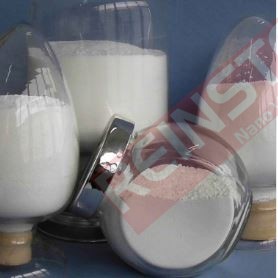
The Unseen Crisis: India's Urgent Need for Advanced Sewage Treatment
India, a nation bustling with over a billion people, faces a monumental challenge that flows silently beneath its cities and towns: wastewater management. Every day, our urban centers generate nearly 72,368 million litres of sewage, yet the installed capacity to treat it lags significantly behind at just over 31,841 MLD. This gap doesn't just represent a statistical deficit; it's a pressing environmental and public health crisis. Untreated or partially treated sewage pollutes our rivers, contaminates groundwater, and poses a severe threat to ecosystems and human well-being.
The conventional methods of sewage treatment, while valuable, often struggle to keep pace with the sheer volume and complexity of modern wastewater. They can be energy-intensive, require large land areas, and often fall short in removing emerging contaminants like heavy metals, pharmaceuticals, and persistent organic pollutants. The byproduct of this process, sewage sludge, presents another colossal challenge. It's a concentrated mix of pollutants that is difficult and expensive to dispose of safely.
For Indian researchers, environmental engineers, and policymakers, this situation is not just a problem to be solved but an opportunity for innovation. The quest for more efficient, cost-effective, and sustainable solutions has led to the exploration of advanced materials. Among the most promising of these is environmental nano-ceramics, a technology poised to revolutionize how we approach sewage sludge nano-ceramic applications and overall wastewater purification.
A Leap Forward: Why Nano-Ceramics are a Game-Changer for Researchers
The transition to nano-ceramics in sewage sludge management isn't just an incremental improvement; it's a paradigm shift. For researchers in materials science and environmental engineering, this technology opens up a new frontier of possibilities. Here’s why nano-ceramics are capturing the attention of the scientific community:
- Unprecedented Surface Area: Nano-ceramic particles possess an exceptionally high surface-area-to-volume ratio. This means a small amount of material can provide a vast reactive surface, drastically increasing its efficiency as an adsorbent or catalyst.
- Enhanced Adsorption Capacity: The unique surface chemistry of nano-ceramic adsorbents for sewage allows them to bind with a wide range of pollutants, including heavy metal ions (like lead, cadmium, and arsenic), organic dyes, and phosphates, removing them from water with remarkable efficiency.
- Superior Catalytic Activity: Certain nano-ceramics, such as titanium dioxide (TiO2) and zinc oxide (ZnO), act as powerful photocatalysts. When exposed to UV light, they generate highly reactive oxygen species that can break down even the most stubborn organic pollutants into simpler, harmless compounds like CO2 and water.
- Chemical and Thermal Stability: Ceramics are inherently robust. Their nano-forms retain this stability, allowing them to function effectively under the harsh chemical conditions and temperature fluctuations found in industrial wastewater streams.
- Potential for Selectivity and Regeneration: Researchers are actively developing methods to functionalize nano-ceramic surfaces, making them selective for specific target pollutants. Furthermore, many nano-ceramic adsorbents can be regenerated and reused multiple times, reducing operational costs and minimizing waste.
From Lab to Landmark: Real-World Applications of Nano-Ceramics
The theoretical benefits of wastewater nano-ceramics are translating into practical, high-impact applications across the industry. This technology is not a distant dream; it's a present-day solution being integrated into various stages of water treatment.
Heavy Metal and Toxin Removal
Industrial effluents are often laden with toxic heavy metals. Nano-ceramic materials like nano-zero-valent iron (nZVI) supported on ceramic matrices or alumina-based nano-adsorbents demonstrate a high affinity for these metals, effectively sequestering them from the water and preventing them from entering the food chain.
Advanced Oxidation Processes (AOPs)
For destroying persistent organic pollutants (POPs) that resist conventional treatment, nano-ceramic catalysts are invaluable. In AOPs, nano-TiO2 or nano-ZnO particles are used to degrade complex organic molecules, turning toxic industrial sludge into a more manageable and less hazardous material.
Membrane Technology Enhancement
Biofouling—the growth of microorganisms on membrane surfaces—is a major issue in membrane-based water filtration, reducing efficiency and increasing costs. Incorporating silver or copper-doped nano-ceramic particles into filtration membranes imparts powerful antimicrobial properties, preventing biofouling and extending membrane lifespan.
Nutrient Recovery from Sludge
Sewage sludge is rich in valuable nutrients like phosphorus and nitrogen. Specialized nano-ceramic adsorbents are being engineered to selectively capture these nutrients, allowing them to be recovered and converted into agricultural fertilizers. This transforms a waste product into a valuable resource, promoting a circular economy.
The Indian Horizon: Trends and Opportunities in Nano-Ceramic Research
The nano-ceramics market in India is on a steep growth trajectory, driven by government initiatives like the National Mission for Clean Ganga and the Jal Jeevan Mission. These programs create a fertile ground for R&D and commercialization of advanced water treatment technologies. For professionals and researchers, this translates into significant opportunities.
A key area of nano-ceramics research is focused on developing low-cost synthesis methods using locally available raw materials. The synthesis of nano-ceramics from industrial byproducts like fly ash or agricultural waste like rice husk ash is a particularly promising avenue, aligning with India's goals for sustainability and waste valorization. The development of such indigenous nano-ceramics technology will be crucial in making these solutions widely accessible and affordable.
Furthermore, the nano-ceramics industry is witnessing a trend towards composite materials. By embedding nano-ceramic particles within polymer or carbon-based matrices, researchers are creating robust, easy-to-handle filters and catalysts that overcome the challenge of separating nanoscale particles from treated water. These innovations in nano-ceramics manufacturing are paving the way for scalable, real-world systems. The inherent nano-ceramics properties, such as high durability and chemical resistance, make them a superior choice over many alternatives, ensuring long-term performance and reliability in demanding environments.
Frequently Asked Questions
Nano-ceramics are advanced ceramic materials engineered at the nanoscale (typically below 100 nanometers). This small particle size gives them exceptionally high surface area and unique properties like enhanced reactivity, strength, and porosity, making them ideal for applications like catalysis and adsorption in wastewater treatment.
In sewage treatment, nano-ceramics act as powerful adsorbents and catalysts. Their high surface area allows them to effectively capture heavy metals, organic pollutants, and dyes. They can also be used in advanced oxidation processes to break down persistent organic pollutants into harmless substances, significantly improving water quality.
While the initial investment in nano-ceramic technology might be higher than some traditional methods, their long-term benefits often lead to cost savings. These include higher treatment efficiency, reduced sludge volume, potential for resource recovery (e.g., phosphorus), and lower energy consumption. As domestic manufacturing capabilities grow, the costs are expected to become even more competitive.
The primary environmental impact is positive, offering a more effective way to purify wastewater and reduce pollution. However, responsible management is crucial. Research is ongoing to ensure the long-term stability of nano-ceramic materials, prevent their leaching into the environment, and develop safe disposal or recycling methods, which are key considerations for sustainable implementation.