The Dawn of a New Era in Animal Nutrition
India's livestock sector, a cornerstone of its agricultural economy, is at a critical juncture. While it provides livelihood to millions, it faces persistent challenges: disease outbreaks, rising feed costs, and the growing threat of antimicrobial resistance. In this landscape, Indian researchers and agri-business professionals are turning to nanotechnology for solutions. Specifically, the use of **nano ceramics for feed additives** is emerging as a game-changing innovation.
But what are nano ceramics? Imagine taking common, safe materials like silica or zinc oxide and shrinking them down to a nanoscopic scale. At this size, their properties are magnified. They gain an incredibly large surface area and enhanced reactivity, allowing them to perform tasks that their larger counterparts cannot. When incorporated into livestock feed, these tiny particles offer a powerful, multi-pronged approach to improving animal health and farm profitability. This is not just a theoretical concept; **nano ceramics in livestock** are a practical tool poised to redefine veterinary science and animal husbandry in India.
This article delves into the world of **nano ceramics applications** in animal feed, exploring the science, the benefits, and the immense opportunities they present for the Indian agricultural ecosystem. For researchers, it's a field ripe with discovery. For professionals, it's a pathway to more sustainable and profitable farming.
Key Benefits for Researchers and Industry
The adoption of nano ceramics in agriculture, particularly in livestock feed, offers tangible advantages. These benefits span from animal welfare to economic returns, making it a compelling area of focus.
-
Enhanced Antimicrobial Properties
Nano ceramics, such as zinc oxide and silver nanoparticles, exhibit potent antimicrobial activity against a broad spectrum of pathogens. This helps control common gut infections in poultry and cattle, reducing mortality rates and the reliance on conventional antibiotics.
-
Improved Nutrient Bioavailability
The high surface-area-to-volume ratio of nanoparticles ensures better absorption of essential minerals. This means animals get more nutritional value from less feed, leading to a better Feed Conversion Ratio (FCR)—a key metric for profitability in the livestock industry.
-
Toxin Binding and Mycotoxin Control
Certain nano ceramics act as efficient binders for mycotoxins—toxic substances produced by fungi in stored feed. By neutralizing these toxins, they protect animals from poisoning, improve liver health, and ensure the safety of animal products for human consumption.
-
Boosted Immunity and Growth Promotion
By maintaining a healthy gut microbiome and reducing pathogenic load, **nano ceramics** indirectly boost the animal's immune system. This frees up metabolic energy that can be redirected towards growth, leading to healthier animals and higher yields of milk, meat, or eggs.
Practical Applications in the Indian Context
The versatility of **nano ceramics applications** makes them suitable for various segments of India's diverse livestock industry. Here’s a look at how they are being implemented:
Poultry Farming
In the high-density environment of poultry farms, diseases can spread rapidly. Adding nano-zinc oxide or nano-silica to feed helps control coccidiosis and E. coli outbreaks. This reduces the need for antibiotics, a critical step in combating antimicrobial resistance. The improved FCR also directly translates to lower operational costs for poultry farmers, a significant benefit given the tight margins in the industry.
Dairy Industry
For dairy cattle, **nano ceramics in livestock** feed play a crucial role in preventing mastitis, an inflammatory disease that severely impacts milk production. They also help in neutralizing aflatoxins commonly found in cattle feed. Healthier cows produce more milk of higher quality, boosting the income of dairy farmers, who form the backbone of India's rural economy.
Aquaculture
India's aquaculture sector is booming, but it's vulnerable to water-borne pathogens. Nano additives in fish and shrimp feed can improve gut health and resistance to diseases like Vibriosis. Furthermore, the **nano ceramics properties** of some materials can help in maintaining water quality in ponds by controlling harmful algal blooms, creating a healthier environment for aquatic life.
Swine and Goat Rearing
In smaller livestock operations like pig and goat farming, nano additives offer a cost-effective way to improve animal health and growth. They help manage digestive issues, particularly in young animals, leading to lower mortality rates and faster weight gain. This makes small-scale farming more viable and profitable.
Opportunities and Future Trends in India
The field of **nano ceramics in agriculture** is not just a scientific curiosity; it's a burgeoning market filled with opportunities. For India, this technology aligns perfectly with national priorities like 'Make in India' and the drive for agricultural self-sufficiency.
One of the most significant trends is the development of custom-formulated nano additives. Researchers are working on creating specific **nano ceramics** tailored to combat regional pathogens or address nutritional deficiencies prevalent in certain types of Indian fodder. The **nano ceramics manufacturing** process is also becoming more scalable and cost-effective, bringing these advanced solutions within reach of average farmers.
There is a tremendous opportunity for Indian research institutions and private companies to collaborate on R&D. This includes long-term studies on the efficacy and safety of various **nano ceramics uses**, establishing clear regulatory guidelines, and developing standardized quality control protocols. As the global market shifts towards antibiotic-free meat and dairy products, India has a chance to become a leader in producing safe, high-quality livestock products by leveraging **nano ceramics for feed additives**.
Frequently Asked Questions
Related Products & Solutions

Special Antibacterial Self-cleaning Functional Additive for Ceramics
View Product →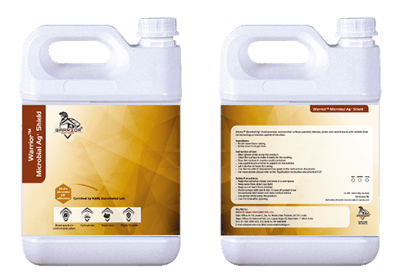
Warrior Microbial Ag Shield
View Product →
Zirconium Oxide (ZrO2) Ceramics
View Product →
BaTiO3 Nanoparticles For Ceramics, 100nm
View Product →Ready to Revolutionize Your Research or Business?
Connect with our experts to learn more about our nano ceramic additives and how they can be integrated into your specific application. Let's build a more sustainable and productive future for Indian agriculture together.
Contact Us Today