The Dawn of a Material Revolution in India
The field of material science is witnessing a paradigm shift, and at the heart of this revolution are nano ceramics. These advanced materials, engineered at the nanoscale (typically below 100 nm), are unlocking unprecedented properties and functionalities that their conventional, microscale counterparts simply cannot match. For a rapidly advancing nation like India, with a strong focus on 'Make in India' and becoming a global hub for manufacturing, research, and development, understanding and harnessing the potential of nano ceramics is not just an opportunity—it's a necessity.
At their core, nano ceramics are about precision and control. By manipulating matter at the atomic level, scientists can create ceramic materials with extraordinary hardness, exceptional thermal stability, enhanced wear resistance, and tailored electrical properties. This leap in performance is driven by the high surface-area-to-volume ratio of nanoparticles, which fundamentally alters their physical and chemical behavior. From creating ultra-durable ceramic coatings for industrial machinery to developing sophisticated nanocomposites for aerospace and defense, nanotechnology is paving the way for a new era of innovation. This article delves into the world of these advanced ceramics, exploring their significance for Indian researchers and industries, their vast applications, and the promising future they hold in the subcontinent.
Why Indian Researchers Should Focus on Nano Ceramics
For the Indian R&D community, nano ceramics represent a fertile ground for discovery and innovation. Engaging with these nano materials offers a multitude of benefits:
- Breakthrough Discoveries: The unique quantum effects at the nanoscale offer opportunities to discover new material properties and create novel ceramic products with tailored functionalities.
- High-Impact Publications: Research in advanced ceramics and nanocomposites is a high-growth area, leading to publications in prestigious international journals and increasing the global visibility of Indian science.
- Industry Collaboration: Developing practical applications, such as ceramic coatings for the automotive or energy sectors, opens doors for lucrative collaborations with industries, bridging the gap between academia and commerce.
- Solving National Challenges: Nano ceramics can provide solutions to some of India's most pressing challenges, including water purification (ceramic filters), energy efficiency (thermal barrier coatings), and healthcare (biocompatible implants).
- Skill Development: Working with nanotechnology equips researchers with cutting-edge skills in material synthesis, characterization (like SEM, TEM), and performance testing, making them highly valuable in the global market.
Industrial Applications: Powering India's Growth
The versatility of nano ceramics translates into a wide array of industrial applications. This nano tech is not a distant future concept; it's actively transforming sectors vital to India's economy.
Energy, Oil & Gas
In harsh environments, equipment failure is not an option. Nano ceramics for downhole tool development are a game-changer. Coatings made from materials like tungsten carbide or titanium nitride nanocomposites provide extreme wear and corrosion resistance for drill bits and pipes, extending their lifespan and reducing operational costs in India's energy exploration efforts. Thermal barrier coatings also improve the efficiency of power generation turbines.
Aerospace & Defense
Lightweight, high-strength materials are critical. Ceramic composites reinforced with nano-fibers are used in aircraft components, engine parts, and body armor. These materials offer superior performance at a fraction of the weight of traditional metals, contributing to fuel efficiency and enhanced safety—key priorities for ISRO and DRDO.
Automotive & Manufacturing
The thriving Indian automotive industry benefits immensely. Nano ceramic coatings provide high-gloss, scratch-resistant finishes for car bodies. In engines, they reduce friction, improve fuel efficiency, and lower emissions. They are also used to create highly durable and precise cutting tools for manufacturing plants.
Biomedical & Healthcare
Biocompatibility is key. Nano-structured zirconia and alumina are used for dental implants and orthopedic joint replacements due to their strength, wear resistance, and inertness within the human body. Antimicrobial nano ceramic coatings are also being developed for hospital surfaces to combat infections.
India-Specific Trends and Opportunities
The Indian landscape presents unique opportunities for the growth of the advanced ceramics market. The government's push for domestic manufacturing under the 'Make in India' initiative and Production Linked Incentive (PLI) schemes for electronics and automotive sectors is a major driver. There is a growing demand for high-performance materials, and nano ceramics are perfectly positioned to meet this need.
A key trend is the development of functional coatings. Indian cities face challenges with pollution and sanitation. Self-cleaning and anti-pollution ceramic coatings for buildings, based on photocatalytic nano materials like TiO2, can help mitigate these issues. Similarly, the focus on renewable energy, particularly solar, creates a market for smart, self-cleaning coatings for solar panels that can improve efficiency by preventing dust accumulation—a significant problem in the Indian climate. The integration of nanotechnology into traditional industries like tile and sanitary ware manufacturing is another promising avenue, leading to products with enhanced durability and antimicrobial properties.
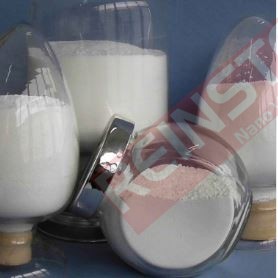
Featured Nano Ceramic Products



Frequently Asked Questions
Nano ceramics are advanced ceramic materials engineered from particles smaller than 100 nanometers. This small particle size gives them exceptional properties not found in conventional ceramics, such as increased hardness, superior thermal resistance, enhanced chemical stability, and unique electrical characteristics. They are a cornerstone of modern nanotechnology.
In the oil and gas industry, downhole tools face extreme conditions of high pressure, temperature, and corrosive environments. Nano ceramic coatings and components are used to drastically improve the wear resistance, longevity, and reliability of these tools. They reduce friction, prevent corrosion, and provide thermal insulation, leading to more efficient and cost-effective drilling operations.
Safety and environmental impact are key considerations. Many nano ceramic coatings are developed to be eco-friendly, often being water-based and low in volatile organic compounds (VOCs). For instance, self-cleaning coatings can reduce the need for harsh chemical cleaners. Research is ongoing to ensure the entire lifecycle of nano materials, from production to disposal, is sustainable and safe for both human health and the environment.
Indian researchers and companies can source a wide range of advanced nano ceramic powders, additives, and coatings from specialized suppliers like Hiyka. These platforms provide access to materials like Zirconium Oxide (ZrO2), Barium Titanate (BaTiO3), and custom nanocomposites, complete with technical specifications to support R&D and industrial applications.
Ready to Innovate with Nano Ceramics?
Whether you are a researcher pushing the boundaries of material science or an industry leader seeking a competitive edge, the world of nano ceramics is open for exploration. Connect with us to discover the right materials for your project.
Get in Touch