The Dawn of a New Era: Nano Ceramics in Protective Coatings
In the relentless Indian sun, materials degrade. From the vibrant paint on our cars to the structural integrity of our buildings and the efficiency of our solar panels, ultraviolet (UV) radiation poses a constant threat. For decades, researchers and industries have sought a robust solution. The answer, it appears, lies in the world of the infinitesimally small: nanotechnology. Specifically, the application of nano ceramics in UV protection coatings is emerging as a game-changing technology, offering a level of protection and longevity previously thought unattainable. This breakthrough is not just a scientific curiosity; it's a critical enabler for India's growing industrial and technological ambitions.
So, what exactly are nano ceramics? Imagine taking traditional ceramic materials—known for their hardness, heat resistance, and durability—and shrinking them down to the nanoscale, typically particles smaller than 100 nanometers. At this size, materials exhibit extraordinary properties. Their surface-area-to-volume ratio skyrockets, leading to enhanced reactivity and unique quantum effects. When these nanomaterials are integrated into paints, sealants, and other coatings, they create a formidable, invisible shield. This guide is designed for Indian researchers, engineers, and industry professionals, providing a deep dive into the science, benefits, and immense opportunities presented by ceramic coatings powered by nanotechnology.
Unlocking Superior Performance: Key Benefits for Researchers and Industry
The adoption of nano ceramic coatings offers a multitude of advantages that directly address the challenges faced by various sectors. For researchers in materials science, it opens up new frontiers of innovation. For industries, it translates to tangible economic and performance benefits.
- Exceptional UV Blocking: Nano-sized particles like titanium dioxide (TiO₂) and zinc oxide (ZnO) are incredibly efficient at scattering and absorbing harmful UVA and UVB radiation. This prevents the polymer matrix of the coating from breaking down, preserving both the aesthetic appeal and structural integrity of the underlying material.
- Enhanced Durability and Scratch Resistance: The inherent hardness of ceramic materials is amplified at the nanoscale. These particles create a dense, cross-linked surface that is highly resistant to abrasion, scratches, and everyday wear and tear, significantly extending the lifespan of coated products.
- Superior Thermal Stability: Nano ceramic coatings can withstand extreme temperature fluctuations, a critical factor in the diverse Indian climate. They protect substrates from thermal degradation, making them ideal for automotive parts, industrial machinery, and building exteriors.
- Hydrophobicity and Self-Cleaning Properties: Many nano coatings create a "lotus effect," where water beads up and rolls off the surface, taking dirt and contaminants with it. This reduces maintenance costs and the need for harsh cleaning chemicals, promoting environmental sustainability.
- Chemical and Corrosion Resistance: The inert nature of ceramics provides an excellent barrier against corrosive agents like acid rain, salt spray, and industrial pollutants. This is vital for protecting metallic structures and infrastructure in coastal and industrial regions of India.
- Optical Transparency: Unlike larger particles that can make coatings appear cloudy, nanoparticles are so small they don't scatter visible light. This allows for the creation of completely transparent UV coatings, perfect for applications on glass, solar panels, and electronic displays.
From Lab to Market: Industry Applications of Nano Ceramic Coatings in India
The versatility of nano technology in coatings is driving its adoption across a wide spectrum of Indian industries. Here are some of the most promising applications where these nanomaterials are making a significant impact.
Automotive Sector
Premium ceramic coatings are used to protect car paint from fading, scratches, and environmental contaminants. They provide a high-gloss finish that is easy to clean and maintains the vehicle's value. This is a rapidly growing market in India, with consumers demanding better and longer-lasting protection for their investments.
Construction and Architecture
UV-resistant nano coatings protect building facades, window frames, and roofing materials from degradation. Self-cleaning coatings on glass and ceramic tiles reduce maintenance, while thermal barrier coatings improve energy efficiency, aligning with India's smart cities and green building initiatives.
Renewable Energy
In the solar energy sector, anti-reflective and self-cleaning nano coatings applied to solar panels can increase their efficiency by maximizing light absorption and minimizing soiling. This is crucial for optimizing output from India's large-scale solar farms.
Electronics and Optics
Transparent, scratch-resistant nano ceramic coatings protect smartphone screens, camera lenses, and other optical components without compromising performance. Their ability to block UV light also protects sensitive electronic components from radiation damage.
The Indian Landscape: Trends, Challenges, and Opportunities
India is uniquely positioned to become a global hub for the research, development, and manufacturing of nano ceramics for UV protection coatings. The "Make in India" initiative, coupled with a strong base of chemical and materials industries, creates a fertile ground for innovation. The market for advanced nanomaterials is expanding, driven by demand for high-performance products that can withstand the country's challenging environmental conditions.
However, challenges remain. Scaling up production from the laboratory to an industrial scale requires significant investment in infrastructure and quality control. There is a pressing need for standardization in the characterization and testing of nano coatings to ensure reliability and build consumer trust. Furthermore, fostering collaboration between academic research institutions and private industries is key to accelerating the commercialization of new technologies. For Indian researchers, this presents a massive opportunity to work on cutting-edge solutions, from synthesizing novel ceramic materials to developing more efficient and eco-friendly application processes. The future of surface protection in India will undoubtedly be shaped by advancements in nanotechnology.
Related Products & Materials

Smart Coatings for Ceramic Surfaces
View Product →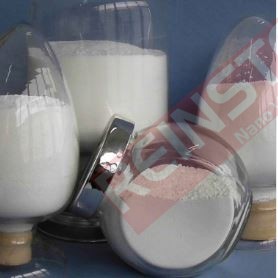
Zirconium Oxide (ZrO2) Ceramics
View Product →
Functional Additive for Ceramics
View Product →
BaTiO3 Nanoparticles For Ceramics, 100nm
View Product →Frequently Asked Questions
Nano ceramics are advanced materials engineered at the nanoscale (typically below 100 nanometers). This small particle size gives them exceptional properties like high hardness, chemical stability, and unique optical characteristics, making them ideal for high-performance applications like UV protection coatings.
Nano ceramic particles, such as titanium dioxide (TiO2) and zinc oxide (ZnO), are highly effective at scattering, reflecting, and absorbing harmful ultraviolet (UV) radiation. When dispersed in a coating, they form a protective barrier that prevents UV rays from penetrating and damaging the underlying material, thus preventing degradation, fading, and material breakdown.
The environmental impact depends on the specific nanomaterials and manufacturing processes. Many nano ceramic coatings contribute positively by extending the lifespan of products, reducing the need for replacements and harsh cleaning chemicals. Research is ongoing to ensure the production and disposal of nanomaterials are sustainable and safe for the environment.
Key challenges in the Indian context include scaling up production from lab to industrial levels, ensuring consistent quality control of nanomaterials, the high initial cost of R&D and manufacturing, and developing a skilled workforce. Overcoming these hurdles is crucial for India to become a global leader in nanotechnology and advanced coatings.
Ready to Innovate with Nano Ceramics?
Connect with our experts to explore how advanced nanomaterials and ceramic coatings can elevate your products. Whether you are in R&D or manufacturing, we have the solutions to meet your needs.
Contact Us Today