Introduction: The Dawn of a Material Revolution in India
In the bustling landscape of Indian research and development, a quiet but powerful revolution is underway. This revolution isn't driven by software or policy alone, but by something far more fundamental: materials. Specifically, nano ceramics. These are not your grandmother's pottery; they are advanced, high-performance materials engineered at the atomic level to achieve properties once thought impossible. For Indian researchers, engineers, and industries, understanding the vast spectrum of nano ceramics applications is no longer an academic exercise—it's a strategic imperative.
At its core, nanotechnology deals with manipulating matter on a scale of 1 to 100 nanometers. When this science is applied to ceramic materials, the results are extraordinary. Traditional ceramics, while hard and heat-resistant, are often brittle. By reducing the grain size to the nanoscale, we create nano-structured materials that retain the classic benefits of ceramics while overcoming their weaknesses. They become stronger, tougher, more resistant to wear and corrosion, and can even be imbued with novel functionalities like self-cleaning or electrical conductivity.
From the aerospace sector's demand for lightweight, heat-shielding components to the biomedical field's quest for biocompatible implants, advanced ceramics at the nanoscale are providing solutions. The development of nano ceramic coatings is particularly significant, offering a way to impart superior surface properties to almost any substrate. This article serves as a comprehensive guide for the Indian scientific community, exploring the profound impact of these materials and highlighting the opportunities they present for innovation and industrial growth.
Why Indian Researchers Should Focus on Nano Ceramics
For researchers in India's premier institutions and corporate R&D labs, delving into nanotechnology materials like nano ceramics offers a fertile ground for discovery and career advancement. Here’s why this field is particularly rewarding:
- Unprecedented Material Properties: Working with nano ceramics allows for the exploration of quantum-size effects and unique grain boundary characteristics, leading to materials with superior mechanical strength, thermal stability, and tailored electronic properties. * High-Impact Application Areas: Research in nano ceramics directly feeds into national priority sectors, including defense, space exploration (ISRO), renewable energy, and healthcare, increasing the likelihood of securing government grants and industry funding. * Innovation in Green Technology: Many applications of nano ceramics are eco-friendly. For example, creating more efficient thermal barrier coatings reduces fuel consumption, and developing advanced filters can address India's water purification challenges. * Development of Intelligent Materials: This is the cutting edge. Research into nano ceramics for intelligent materials development involves creating materials that can sense, respond, and adapt to their environment—think self-healing coatings or sensors integrated directly into structural components. * Abundant Raw Materials: India has access to many of the raw materials required for producing various ceramic composites, such as silica, alumina, and zirconia, providing a strategic advantage in developing a self-reliant supply chain.
Key Industrial Applications of Nano Ceramics
The transition from lab to industry is where the true value of nano ceramics is realized. Here are some of the most impactful applications transforming various sectors:
1. Aerospace and Defense
Components in jet engines, rocket nozzles, and armor systems face extreme conditions. Nano ceramic coatings act as thermal barriers, protecting metal alloys from heat and oxidation, thereby extending component life and improving fuel efficiency. Ceramic composites, reinforced with nano-fibers, are used to create lightweight, bullet-proof armor and durable structural parts for satellites and aircraft.
2. Biomedical and Healthcare
The biocompatibility and wear-resistance of nano ceramics like zirconia and alumina make them ideal for medical implants, such as dental crowns and hip joint replacements. Their nano-structured surface promotes better cell adhesion and bone integration. Furthermore, antibacterial nano coatings are being developed for surgical tools and hospital surfaces to combat infections.
3. Energy and Electronics
In the energy sector, nano ceramics are crucial for solid oxide fuel cells (SOFCs) and next-generation batteries, offering higher efficiency and stability. Their unique dielectric properties are leveraged in manufacturing smaller, more powerful capacitors and insulators for microelectronics. Self-cleaning nano ceramic coatings are also applied to solar panels, improving their efficiency by preventing dust accumulation.
4. Automotive and Manufacturing
The "ceramic coating" trend in car detailing is just the tip of the iceberg. In manufacturing, these coatings provide extreme hardness and lubricity to cutting tools, dramatically increasing their lifespan. Engine components like pistons and valves are coated to reduce friction and wear, leading to better performance and longevity. This is a prime example of nano ceramics in engineering.
Opportunities & Future Trends: The Indian Context
The landscape for advanced ceramics in India is ripe with opportunity. The 'Make in India' initiative, coupled with a growing emphasis on domestic manufacturing for strategic sectors, has created a fertile environment for materials science innovation. The market for nanotechnology materials is projected to grow significantly, driven by both government and private sector investment.
A key trend is the development of multi-functional materials. Researchers are no longer just aiming for hardness or heat resistance alone. The goal now is to create ceramic composites that are, for instance, both strong and self-sensing, or both insulating and self-healing. This push towards intelligent materials is where India's strong IT and software talent can converge with materials science to create unique, high-value products.
Furthermore, the demand for sustainable solutions presents another massive opportunity. Nano ceramics can play a vital role in water purification membranes, catalytic converters for vehicles, and durable infrastructure projects. As Indian industries face stricter environmental regulations, the adoption of advanced materials that enhance efficiency and reduce waste, such as specialized nano ceramic coatings, will become a necessity, not a luxury.
Related Products for Your Research
To kickstart your R&D in nano ceramics, explore these relevant high-performance materials and coatings.

Smart Coatings for Ceramic Surfaces
View Product
Special Antibacterial Self-cleaning Functional Additive for Ceramics
View Product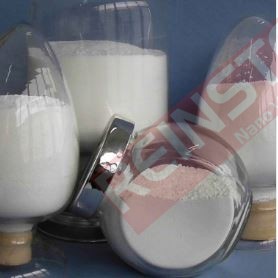
Zirconium Oxide (ZrO2) Ceramics
View Product
BaTiO3 Nanoparticles For Ceramics, 100nm
View ProductFrequently Asked Questions
What exactly are nano ceramics?
Nano ceramics are advanced ceramic materials engineered at the nanoscale, typically with grain sizes below 100 nanometers. This small grain size gives them exceptionally enhanced properties compared to traditional ceramics, such as increased hardness, superior thermal stability, and unique electrical characteristics, making them ideal for high-performance applications.
How are nano ceramics different from conventional ceramics?
The primary difference lies in the grain size. Conventional ceramics have larger, micro-scale grains, which can lead to brittleness. Nano ceramics, with their ultra-fine nanostructure, have a higher grain boundary density. This structure inhibits crack propagation, making them tougher, more wear-resistant, and more suitable for advanced engineering and biomedical applications.
What are the key applications of nano ceramic coatings in India?
In India, nano ceramic coatings are gaining traction in several sectors. The automotive industry uses them for durable, scratch-resistant paints and thermal barrier coatings in engines. In construction, they provide self-cleaning, anti-corrosion, and UV-resistant surfaces. Furthermore, they are crucial in the aerospace and defense sectors for protecting components from extreme heat and wear.
Are nano ceramics environmentally friendly?
Nano ceramics can contribute positively to environmental sustainability. For instance, their use as thermal barrier coatings improves fuel efficiency in engines, reducing emissions. Self-cleaning coatings reduce the need for harsh chemical detergents. However, the production of nanoparticles requires careful management to prevent environmental release, an area of active research and regulation in India and globally.
What is the future of nanotechnology materials in the Indian market?
The future is incredibly promising. With government initiatives like 'Make in India' and a growing focus on high-tech manufacturing, the demand for advanced materials like nano ceramics is set to soar. Key growth areas include smart materials for sensors, biomedical implants, next-generation energy storage (batteries and supercapacitors), and advanced water purification systems, all of which are national priorities for India.