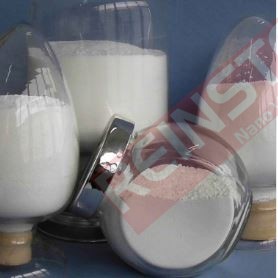
An Introduction to Nano Ceramics: The Future is Small
In the ever-evolving landscape of material science, a new frontier is capturing the imagination of researchers and industrialists alike: **nano ceramics**. These are not your grandmother's ceramics. We're talking about materials engineered at the nanoscale—typically between 1 and 100 nanometers—to exhibit properties that are simply impossible with their conventional, bulk-sized counterparts. For Indian researchers and professionals, understanding **nano ceramics technology** is no longer a niche interest; it's a critical step towards pioneering innovation in sectors ranging from healthcare and electronics to energy and defence.
At their core, nano ceramics are ceramic particles, such as oxides, carbides, nitrides, and borides, synthesized to have an average grain size in the nanometer range. This minuscule size dramatically increases the surface area-to-volume ratio and the proportion of grain boundaries. The result? A suite of enhanced **nano ceramics properties**: superior hardness, unprecedented thermal stability, improved fracture toughness, and unique electrical and optical characteristics. These materials bridge the gap between the brittleness of traditional ceramics and the ductility of metals, opening a world of possibilities.
As India pushes forward with initiatives like 'Make in India' and 'Aatmanirbhar Bharat,' the role of advanced materials becomes paramount. **Nano ceramics applications** are at the heart of this push, promising to create more efficient, durable, and intelligent products. From developing next-generation batteries and catalysts to creating biocompatible implants and ultra-durable coatings, the potential is immense. This guide delves into the world of nano ceramics, exploring their benefits, applications, and the specific opportunities and challenges within the Indian context.
Why Should Indian Researchers Focus on Nano Ceramics?
For the Indian R&D community, nano ceramics represent a goldmine of opportunities. Engaging with this technology offers several key advantages:
- Pioneering Novel Research: The unique quantum effects and surface phenomena at the nanoscale offer fertile ground for fundamental research, leading to high-impact publications and patents.
- Enhanced Material Performance: Researchers can develop materials with tailored properties, such as creating superhydrophobic surfaces using **smart coatings for ceramic surfaces** or designing ultra-efficient catalysts.
- Cross-Disciplinary Collaboration: The study of **nano ceramics** inherently connects physics, chemistry, material science, and engineering, fostering a collaborative research environment.
- Solving National Challenges: From water purification and energy storage to advanced defence systems, nano ceramics provide innovative solutions to some of India's most pressing challenges. This includes exploring **nano ceramics in carbon sequestration technologies** to combat climate change.
- Commercialization and Entrepreneurship: Research in this field has a clear path to commercialization, empowering scientists to become entrepreneurs and contribute to the growth of the **nano ceramics market** in India.
Groundbreaking Applications Across Industries
Automotive & Aerospace
In the automotive sector, **nano ceramics in automotive** applications are revolutionizing performance. They are used in thermal barrier coatings for engine components, increasing fuel efficiency and reducing emissions. Their exceptional wear resistance makes them ideal for brake discs and bearings. In aerospace, their lightweight and high-strength nature is critical for creating durable components that can withstand extreme temperatures.
Electronics & Semiconductors
The field of **nano ceramics in electronics** is booming. Materials like Barium Titanate (**BaTiO3 nanoparticles**) are essential for manufacturing multilayer ceramic capacitors (MLCCs), which are ubiquitous in modern electronics. Their dielectric properties are crucial for miniaturization. They also serve as insulators and substrates in integrated circuits, enabling smaller, faster, and more powerful devices.
Healthcare & Biomedical
Nano ceramics like Zirconia (**Zirconium Oxide (ZrO2) Ceramics**) and Alumina are biocompatible and highly resistant to wear, making them perfect for dental and orthopedic implants. Their porous structures can be engineered for drug delivery systems. Furthermore, **special antibacterial additives for ceramics** create self-sanitizing surfaces in hospitals, a critical innovation in public health.
Energy & Environment
Nano ceramics are vital for a sustainable future. They are used in solid oxide fuel cells (SOFCs) for efficient energy conversion and as catalysts to reduce pollutants. In environmental science, nano ceramic membranes offer a highly effective method for water filtration and desalination. Research into **nano ceramics in carbon sequestration technologies** aims to develop materials that can efficiently capture CO2 from the atmosphere.
The Indian Nano Ceramics Market: Trends and Opportunities
The global **nano ceramics market** is on a steep growth trajectory, and India is poised to become a significant player. Several factors are driving this trend. The Indian government's increased funding for R&D through institutions like the Department of Science and Technology (DST) and its Nano Mission is creating a robust ecosystem for innovation. The burgeoning manufacturing sector, especially in electronics and automotive, is generating massive demand for high-performance materials.
One of the primary **nano ceramics advantages** is its versatility. This allows Indian companies to diversify their product offerings. For instance, the demand for smart coatings—for everything from solar panels to self-cleaning building facades—is a low-hanging fruit. The **nano ceramics manufacturing** process, while complex, is becoming more accessible with advancements in techniques like sol-gel synthesis, chemical vapor deposition, and hydrothermal methods. Indian research labs and universities are increasingly equipped to handle these sophisticated processes.
However, there are also **nano ceramics challenges** to overcome. These include the high cost of production, the need for specialized equipment, and ensuring consistent quality control at the nanoscale. Addressing these hurdles through indigenous R&D and strategic international collaborations will be key to unlocking the full potential of this technology in India. The focus should be on developing cost-effective manufacturing routes and creating a skilled workforce capable of driving the industry forward.
Frequently Asked Questions
What exactly are nano ceramics?
Nano ceramics are advanced materials made from ceramic particles with a grain size of less than 100 nanometers. This small size gives them unique and enhanced mechanical, thermal, electrical, and optical properties compared to traditional ceramics. Key examples include Zirconium Oxide, Titanium Dioxide, and Alumina nanoparticles.
What are the main advantages of using nano ceramics?
The primary advantages stem from their nanoscale structure. Key **nano ceramics advantages** include: exceptional hardness and wear resistance, high thermal stability and low thermal conductivity, improved fracture toughness, and tailorable electronic and optical properties. This makes them stronger, lighter, and more versatile than many conventional materials.
What are the biggest challenges in nano ceramics technology?
The main **nano ceramics challenges** include: 1) High production costs associated with complex manufacturing processes. 2) Difficulty in achieving uniform particle size and preventing agglomeration (clumping) of nanoparticles. 3) Ensuring the long-term stability and reliability of nano-components. 4) Potential environmental and health concerns that require further research.
How are nano ceramics used in the automotive industry?
In the automotive sector, **nano ceramics in automotive** applications focus on enhancing durability and efficiency. They are used as thermal barrier coatings on engine parts to withstand higher temperatures, leading to better combustion and fuel economy. They are also used in high-performance brake pads and discs for superior wear resistance and in protective coatings for car paint to resist scratches and environmental damage.