
Introduction: The Dawn of a New Material Era
In the global pursuit of sustainability, the pressure to find viable alternatives to petroleum-based plastics has never been more intense. India, with its rapidly growing economy and significant environmental challenges, stands at a critical juncture. The plastic waste crisis, coupled with a growing consumer consciousness, is driving innovation in material science. At the forefront of this green revolution are bioplastics—polymers derived from renewable resources. However, early-generation bioplastics often fell short, lacking the strength, durability, and barrier properties of their fossil-fuel-derived counterparts. This is where the game changes.
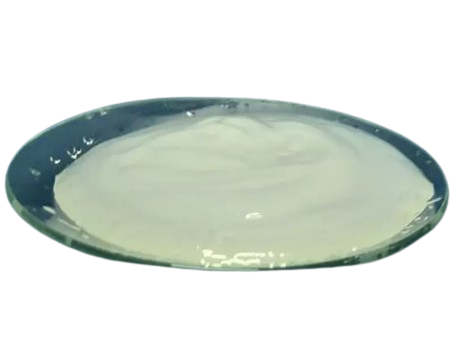
Enter nanocellulose reinforcement, a groundbreaking technique that promises to elevate bioplastics from a niche curiosity to a mainstream powerhouse. By embedding nanocellulose—microscopic cellulose fibers known for their incredible strength-to-weight ratio—into bioplastic matrices, we can create high-performance, sustainable plastics. These advanced materials are not only biodegradable but also robust enough for demanding applications, particularly in the packaging industry. For Indian researchers, scientists, and industries, understanding and harnessing the power of nanocellulose-reinforced bioplastics is not just an academic exercise; it's a strategic imperative for building a self-reliant and environmentally responsible future.
Why Researchers Should Be Excited: Key Benefits
For the Indian R&D community, nanocellulose-reinforced bioplastics represent a fertile ground for innovation and impact. The convergence of material science, biotechnology, and environmental engineering opens up numerous advantages:
- Enhanced Material Properties: Nanocellulose acts as a super-reinforcer. Its addition can dramatically increase the tensile strength, stiffness, and thermal stability of bioplastics like Polylactic Acid (PLA) and Polyhydroxyalkanoates (PHAs). This overcomes one of the biggest historical limitations of biodegradable polymers.
- Improved Barrier Performance: In packaging, preventing the transmission of oxygen and moisture is crucial for preserving product shelf life. The crystalline structure of nanocellulose creates a tortuous path for gas molecules, significantly improving the barrier properties of bioplastics, making them suitable for food packaging.
- Sustainability and Circular Economy: Nanocellulose can be sourced from abundant, non-food biomass, including agricultural waste (e.g., rice husk, sugarcane bagasse) and forest residues. This "waste-to-wealth" approach aligns perfectly with India's circular economy goals and provides a high-value application for agricultural byproducts.
- Tunable and Lightweight: Researchers can fine-tune the properties of the composite material by varying the type, concentration, and surface chemistry of the nanocellulose. Despite their strength, these materials remain lightweight, reducing transportation costs and carbon footprint.
- Vast Funding and Publication Opportunities: As a hot-button topic in green technology, research into sustainable plastics and green materials attracts significant government grants and private investment. It is a field ripe with opportunities for novel research, patents, and high-impact publications.
From Lab to Life: Industry Applications
The potential applications of nanocellulose-reinforced bioplastics are vast and transformative. Here’s a look at key sectors in India that stand to benefit immensely from these plastic alternatives.
Food & Beverage Packaging
This is the most promising application. The enhanced barrier properties protect food from spoilage, extending shelf life. The material's biodegradability addresses the massive problem of single-use plastic waste from food delivery, FMCG products, and retail. Think compostable food trays, films, and containers that are strong and safe.
Medical and Healthcare
The biocompatibility and strength of these materials make them suitable for disposable medical devices, surgical tools, and drug delivery systems. Their sterile, single-use nature combined with biodegradability is a significant advantage in reducing biomedical waste, a growing concern for Indian hospitals.
Agriculture
Biodegradable mulch films made from these composites can help conserve soil moisture and control weeds, eventually decomposing into the soil without leaving harmful residues. They can also be used to create controlled-release capsules for fertilizers and pesticides, improving agricultural efficiency and reducing chemical runoff.
Electronics and Automotive
The lightweight yet strong nature of these composites makes them attractive for creating internal components in cars or casings for consumer electronics. This can help reduce vehicle weight, improve fuel efficiency, and offer a more sustainable material choice for the electronics industry's plastic problem.
The Indian Landscape: Opportunities and Future Trends
The push for nanocellulose-reinforced bioplastics for packaging solutions in India is gaining momentum, driven by a confluence of policy, market demand, and research excellence. The 'Make in India' initiative encourages domestic production of advanced materials, reducing reliance on imports. Simultaneously, the ban on many single-use plastics has created a vacuum in the market that high-quality, eco-friendly packaging is poised to fill.
A significant trend is the focus on utilizing India's vast agricultural biomass. Research institutions and startups are exploring cost-effective methods to extract nanocellulose from crop residues like wheat straw, cotton stalks, and coconut husks. This not only provides a sustainable source of renewable resources but also creates a new revenue stream for the agricultural sector. The development of localized production hubs could make these green materials more accessible and affordable, overcoming one of the key barriers to adoption.
Furthermore, Indian research is heavily invested in improving the compatibility between nanocellulose and various bioplastic matrices. Innovations in surface modification and processing techniques are crucial for achieving the desired material strength and consistency at an industrial scale. The collaboration between academic institutions like the Indian Institutes of Technology (IITs) and industry players is accelerating the transition of these materials from the laboratory to commercial production lines. The future will likely see a surge in smart packaging solutions, where these materials are integrated with sensors for monitoring food freshness, further solidifying their place as a superior plastic alternative.
Frequently Asked Questions
Nanocellulose-reinforced bioplastics are advanced composite materials where tiny, high-strength cellulose fibers (nanocellulose) are embedded into a bioplastic matrix (like PLA or PHA). This reinforcement significantly enhances the mechanical properties—such as strength, stiffness, and barrier resistance—of the bioplastic, making it a viable alternative to conventional petroleum-based plastics for demanding applications like packaging.
India faces significant challenges with plastic waste management and pollution. Nanocellulose-reinforced bioplastics offer a sustainable solution by utilizing renewable resources (like agricultural waste to produce nanocellulose) and promoting biodegradability. This aligns with national initiatives like 'Make in India' and the 'Swachh Bharat Mission,' creating economic opportunities while addressing environmental concerns.
The biodegradability of bioplastics depends on their type and the environmental conditions. Some, like PLA, require industrial composting facilities with specific temperatures and microbial activity to break down efficiently. Others, like PHAs, can biodegrade in a wider range of environments, including soil and marine settings. It's crucial for researchers and consumers to understand the end-of-life requirements for each type of bioplastic.
The primary challenges include the high cost of nanocellulose production, ensuring consistent quality, and scaling up manufacturing processes. Additionally, achieving a uniform dispersion of nanocellulose within the bioplastic matrix without clumping is a technical hurdle. Developing robust and efficient industrial composting infrastructure across India is another critical factor for their widespread adoption.