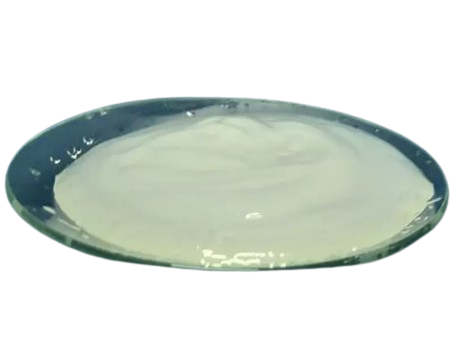
The Dawn of a Green Revolution in Cosmetics
The global cosmetics industry is undergoing a paradigm shift, and India is at its forefront. Today's discerning consumers demand more than just efficacy; they seek products that are safe, natural, and environmentally responsible. This has ignited a quest for innovative materials that can meet these multifaceted demands. Enter nanocellulose hydrogels, a groundbreaking class of biomaterials poised to redefine cosmetic formulations. Derived from the most abundant organic polymer on Earth, cellulose, these hydrogels represent the pinnacle of sustainable cosmetics.
For Indian researchers and cosmetic formulators, nanocellulose offers a treasure trove of opportunities. Its unique properties—exceptional water retention, biocompatibility, and biodegradability—make it an ideal candidate for a wide range of topical applications. From enhancing skin hydration to acting as a sophisticated delivery vehicle for bioactive ingredients, nanocellulose is not just a substitute for synthetic polymers; it's a significant upgrade. These biodegradable gels provide a superior sensory experience, forming a light, breathable film on the skin without the occlusive feel of traditional petroleum-based ingredients. As we delve deeper, we will explore how this remarkable material is setting new benchmarks in eco-friendly skincare and cosmetic innovation.
Key Advantages for Indian Researchers and Formulators
The adoption of nanocellulose hydrogels in cosmetic science is not just a trend; it's a strategic move backed by tangible scientific benefits. For the vibrant R&D community in India, this material opens up new avenues for creating high-performance, marketable products.
- Unmatched Skin Hydration: Nanocellulose hydrogels can hold water up to several hundred times their own weight. This provides prolonged, deep skin hydration, a critical factor for healthy skin in India's diverse climatic conditions.
- Advanced Delivery of Bioactive Ingredients: The porous, three-dimensional network of the hydrogel acts as a reservoir for active compounds like vitamins, antioxidants, and peptides. It ensures their stability and facilitates a controlled, sustained release onto the skin, maximizing their therapeutic benefits.
- Superior Rheology and Texture: These biodegradable gels exhibit unique shear-thinning properties, meaning they flow easily when applied but hold their shape at rest. This allows formulators to create products—from silky serums to rich creams—with an elegant, non-greasy feel that consumers love.
- Championing Sustainable Cosmetics: Sourced from renewable raw materials and being fully biodegradable, nanocellulose aligns perfectly with 'green chemistry' principles. Its use significantly reduces the reliance on non-renewable, petro-based polymers, positioning products at the forefront of the sustainable cosmetics movement.
Transforming Topical Applications Across the Board
The versatility of nanocellulose hydrogels translates into a wide array of innovative cosmetic formulations. Their unique combination of properties makes them suitable for enhancing products in virtually every category of skincare.
High-Performance Facial Masks
Bacterial nanocellulose can be produced as a ready-to-use film, perfectly conforming to facial contours. These masks provide an occlusive barrier that enhances the penetration of serums and provides intense skin hydration, far superior to traditional paper or fabric masks.
Moisturizers and Serums
As a gelling agent in creams and lotions, nanocellulose provides a smooth, non-tacky feel while creating a moisture-retaining film. It's an excellent base for delivering bioactive ingredients for anti-aging or brightening effects.
Sunscreen Formulations
Nanocellulose can help stabilize UV filters in sunscreen formulations, improving their uniform distribution on the skin. This leads to more reliable SPF protection while also enhancing the product's texture and wearability.
Exfoliating Scrubs
As a natural and biodegradable alternative to plastic microbeads, nanocellulose particles can be used for gentle exfoliation. This is a prime example of cosmetic innovation that addresses environmental concerns directly.
Hair Care Products
In shampoos and conditioners, nanocellulose can improve viscosity, stabilize foam, and form a protective coating on hair shafts, reducing frizz and improving manageability. This extends its utility beyond just topical applications for skin.
Cosmetic Stabilizers
The robust network of nanocellulose hydrogels makes them excellent stabilizers for emulsions and suspensions. They prevent phase separation in complex cosmetic formulations, ensuring product integrity and shelf life.
The Indian Market: A Fertile Ground for Nanocellulose Innovation
India's cosmetic market is not only growing rapidly but also maturing. There's a palpable shift towards products that blend traditional botanical wisdom with cutting-edge science. This creates a perfect ecosystem for the success of nanocellulose hydrogels. The "Make in India" initiative further encourages local R&D and manufacturing, making domestic production of nanocellulose from agricultural waste (like sugarcane bagasse or coconut husk) an economically and environmentally attractive proposition.
The demand for eco-friendly skincare is no longer a niche; it's a mainstream expectation. Indian consumers are increasingly scrutinizing ingredient lists, looking for transparency and sustainability. Products formulated with biodegradable gels derived from nanocellulose can be powerfully marketed on this platform of natural origin and environmental stewardship. This aligns with the global clean beauty trend, giving Indian brands a competitive edge both domestically and in export markets. The future of cosmetic formulations in India will undoubtedly be shaped by such green materials that deliver on both performance and principles.