
Pioneering a Greener Frontier in Additive Manufacturing
The world of manufacturing is on the cusp of a paradigm shift, and India, with its ambitious 'Make in India' and 'Aatmanirbhar Bharat' initiatives, stands at the forefront of this transformation. At the heart of this revolution is additive manufacturing, or 3D printing, a technology that has moved from rapid prototyping to full-scale production. However, as the technology matures, a critical question emerges: how can we make it sustainable? The answer may lie in a remarkable, renewable material: nanocellulose.
This blog delves into the fascinating world of nanocellulose inks, exploring how these advanced bio-inks are setting a new benchmark for sustainable printing. For Indian researchers, scientists, and industrial innovators, understanding and harnessing the power of these biodegradable inks is not just an academic exercise; it's a strategic imperative. From creating biocompatible medical implants to developing eco-friendly smart packaging, nanocellulose-based inks for 3D printing are unlocking applications that were once the stuff of science fiction. They represent a convergence of materials science, biotechnology, and advanced manufacturing that promises to build a greener, more efficient industrial ecosystem.
We will explore the unique properties of nanocellulose that make it an ideal candidate for high-resolution 3D printing, discuss its multifaceted benefits for the research community, and showcase its transformative applications across various sectors. Join us as we uncover the trends and opportunities that nanocellulose inks present for India's burgeoning R&D landscape.
Why Should Indian Researchers Focus on Nanocellulose Inks?
Unmatched Sustainability
Derived from abundant, renewable biomass like wood pulp and agricultural residue, nanocellulose is fully biodegradable. Its adoption directly supports a circular economy, reducing reliance on fossil-fuel-based plastics and minimizing industrial waste—a key goal for sustainable development in India.
Exceptional Biocompatibility
Nanocellulose exhibits excellent biocompatibility and low cytotoxicity, making it a prime material for biomedical applications. Researchers can develop patient-specific implants, tissue scaffolds, and drug delivery systems that integrate seamlessly with the human body, revolutionizing personalized medicine.
Superior Rheological Properties
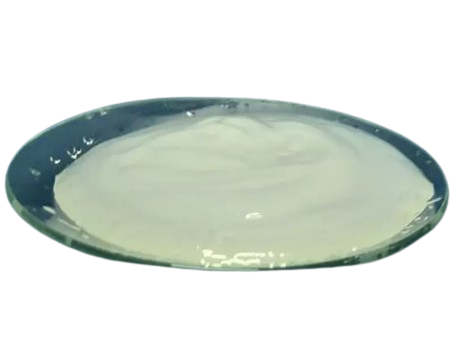
Nanocellulose gels possess unique shear-thinning behavior—they flow easily through a printing nozzle but immediately solidify upon deposition. This enables the fabrication of intricate, self-supporting structures with high-resolution printing, a critical requirement for complex designs.
Tunable Mechanical Strength
The mechanical properties of nanocellulose-based prints can be precisely controlled. By modifying the type of nanocellulose (e.g., CNCs vs. CNFs), its concentration, or by adding cross-linkers, researchers can create materials ranging from soft hydrogels to rigid composites for customized fabrication.
Functionalization Potential
The surface of nanocellulose is rich in hydroxyl groups, making it easy to functionalize. This allows for the incorporation of nanoparticles, conductive materials, or bioactive molecules, opening doors for advanced materials like flexible electronic sensors, active food packaging, and targeted therapies.
Cost-Effectiveness at Scale
As production technologies mature, the cost of producing nanocellulose from agricultural and forestry waste is decreasing. For a cost-sensitive market like India, this presents a massive opportunity to develop affordable, high-performance printable materials for a wide range of industries.
Transformative Applications in Indian Industries
Biomedical and Tissue Engineering
The most promising application of nanocellulose bio-inks lies in healthcare. Indian institutions can lead in creating 3D-printed scaffolds that mimic the native extracellular matrix, promoting tissue regeneration for bone, cartilage, and skin. These biodegradable inks can also be loaded with drugs for controlled release, offering personalized treatment for diseases like cancer or chronic wounds. The potential for creating on-demand, patient-specific organs and tissues could solve critical shortages in organ transplantation.
Flexible Electronics and Wearable Sensors
India's burgeoning electronics sector can greatly benefit from nanocellulose. When combined with conductive materials like graphene or silver nanowires, nanocellulose inks can be used to print flexible, lightweight, and biodegradable electronic circuits on various substrates. This opens up possibilities for low-cost wearable health monitors, smart textiles, and disposable diagnostic sensors—a perfect fit for affordable healthcare and IoT solutions.
Smart and Sustainable Packaging
With the global push to eliminate single-use plastics, nanocellulose offers a compelling alternative. Additive manufacturing with nanocellulose inks can create customized, biodegradable packaging with excellent barrier properties against oxygen and moisture. Furthermore, by embedding sensors, it's possible to create 'smart' packaging that indicates food spoilage, enhancing food safety and reducing waste in India's vast agricultural supply chain.
Advanced Filtration and Water Purification
Clean water is a critical challenge. The high surface area and porous nature of 3D-printed nanocellulose aerogels make them excellent candidates for water filtration membranes. These filters can be designed with precise pore structures to remove heavy metals, dyes, and microbial contaminants. This application of nanocellulose inks aligns directly with national missions like the 'Jal Jeevan Mission', providing an innovative, homegrown solution to a pressing environmental issue.
Seizing the Nanocellulose Opportunity in India
The landscape for nanocellulose-based inks for 3D printing in India is ripe with opportunity. The Indian government's National Strategy for Additive Manufacturing aims to increase the country's share in the global market to 5% by 2025. This strategic push, combined with a focus on sustainable technologies, creates a fertile ground for R&D in bio-inks and biodegradable inks. Research institutions and startups can leverage government grants and incentives to establish dedicated labs for developing novel printable materials from locally sourced biomass, such as sugarcane bagasse, coconut husk, and bamboo.
A key trend is the move towards multi-material additive manufacturing. Nanocellulose serves as an excellent base matrix that can be combined with other functional materials to create composites with tailored properties. For instance, incorporating magnetic nanoparticles could lead to 3D-printed soft robotics, while adding piezoelectric materials could enable energy-harvesting devices. This interdisciplinary approach is crucial for driving innovation in advanced manufacturing and creating high-value products.
Furthermore, the demand for customized fabrication is growing across sectors. From patient-specific surgical guides in hospitals to bespoke components in the aerospace and automotive industries, 3D printing offers unparalleled design freedom. Nanocellulose inks, with their capacity for high-resolution printing and sustainable credentials, are perfectly positioned to meet this demand. Indian companies that invest in this technology today will be the leaders of tomorrow's sustainable industrial revolution.
Frequently Asked Questions
Nanocellulose inks are advanced bio-inks used for 3D printing, where nanocellulose—cellulose particles at the nanoscale—acts as the primary structural component. These inks are prized for their excellent rheological properties, biocompatibility, and sustainability, making them ideal for creating complex, high-resolution structures.
Absolutely. Nanocellulose is derived from renewable resources like wood pulp, agricultural waste, and bacteria. This makes the resulting inks biodegradable and a far more sustainable alternative to conventional petroleum-based printing polymers, aligning perfectly with India's goals for a circular economy.
The key factors are biocompatibility, low cytotoxicity, and tunable mechanical properties. The structure of nanocellulose mimics the body's extracellular matrix, promoting cell adhesion and growth. This makes it an exceptional material for 3D printing tissue scaffolds, wound dressings, and drug delivery systems.
Yes. Their versatility extends to flexible electronics (as a substrate), smart packaging (for sensors), filtration membranes, and even in the food industry for creating customized edible structures. The potential applications are continually expanding as research progresses.
Companies like Hiyka specialize in providing a wide range of advanced materials, including various grades of nanocellulose such as Cellulose Nanocrystals (CNCs) and Bacterial Cellulose. They offer reliable, high-purity materials essential for cutting-edge research and development in additive manufacturing.
Explore Our Nanocellulose Products



Ready to Innovate with Nanocellulose?
Advance your research and product development with our high-purity, research-grade nanocellulose materials. Partner with us to lead the charge in sustainable additive manufacturing.
Get in Touch