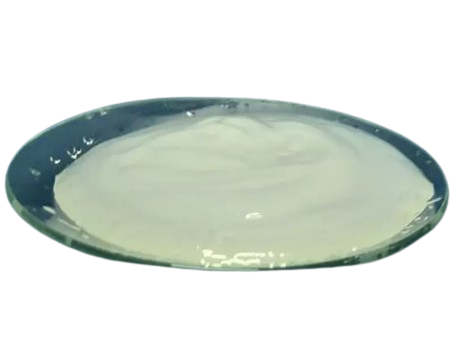
The agricultural sector in India, the backbone of our economy, stands at a critical juncture. Faced with the dual challenges of a burgeoning population and the escalating impacts of climate change—such as erratic rainfall, soil degradation, and new pestilences—the need for innovative and sustainable solutions has never been more urgent. Traditional farming practices, while time-tested, are often insufficient to meet these modern demands. This is where materials science and nanotechnology offer a beacon of hope, introducing groundbreaking advancements like nanocellulose applications in agriculture.
At the forefront of this revolution is the development of nanocellulose-based seed coatings. A seed is the very foundation of a crop, a biological marvel containing the blueprint for life. However, its journey from sowing to sprouting is fraught with peril. Poor soil conditions, lack of moisture, and microbial attacks can lead to failed germination, resulting in significant losses for farmers. Seed coatings are not a new concept, but their enhancement with nanomaterials represents a paradigm shift. By encapsulating seeds in a protective, nourishing, and intelligent layer, we can dramatically improve their chances of survival and growth.
Nanocellulose, a material derived from the most abundant polymer on Earth, is emerging as a star player in this field. Its unique properties—biodegradability, exceptional water retention, high strength, and non-toxicity—make it an ideal candidate for creating advanced, biodegradable coatings. For Indian researchers and agricultural professionals, this seed technology is not just a scientific curiosity; it's a powerful tool to boost crop yield improvement, promote sustainable agriculture, and ensure a food-secure future for the nation.
Unlocking Key Benefits for Indian Researchers and Agriculturalists
The adoption of nanocellulose as a germination enhancer offers a multitude of advantages that resonate deeply with the goals of modern agricultural research and development in India. These benefits extend from the microscopic level of the seed to the macroscopic level of farm profitability and environmental health.
- Enhanced Germination and Seedling Vigor: The primary function of a nanocellulose coating is to create an optimal microenvironment for the seed. Its superior water-holding capacity ensures that the seed remains hydrated even in arid or semi-arid conditions, a crucial factor for triggering the germination process. This leads to higher, more uniform germination rates across the field.
- Improved Nutrient Uptake: Nanocellulose hydrogels can act as mini-reservoirs for essential macro and micronutrients. These nutrients are released in a controlled, slow manner, directly at the root zone as the seedling develops. This targeted delivery system ensures efficient nutrient use and reduces the runoff and leaching associated with conventional fertilizers.
- Protection Against Biotic and Abiotic Stresses: The coating forms a physical barrier that protects the seed from soil-borne pathogens and pests. Furthermore, its ability to retain moisture helps mitigate the effects of drought stress. This "armor" gives the young plant a critical head start, making it more resilient.
- Platform for Functional Additives: Nanocellulose is an excellent carrier for a wide array of beneficial substances. Researchers can incorporate plant growth-promoting rhizobacteria (PGPRs), fungicides, bio-pesticides, and growth hormones directly into the coating, creating a multi-functional agricultural treatment in a single, efficient application.
- Environmental Sustainability: As a fully biodegradable material derived from renewable resources like wood pulp or agricultural waste, nanocellulose aligns perfectly with the principles of green chemistry and circular economies. Its use reduces the reliance on synthetic polymers that can persist in the environment, making it a cornerstone of eco-friendly farming.
- Economic Viability: While an advanced technology, the potential returns are significant. Higher germination means less seed is wasted. Increased yield, coupled with reduced expenditure on fertilizers, water, and pesticides, can substantially improve the profitability and sustainability of farming operations, from large-scale enterprises to smallholder farms.
Diverse Applications Across India's Agricultural Landscape
The versatility of nanocellulose seed coatings allows for tailored solutions for India's diverse agro-climatic zones and cropping systems. This is not a one-size-fits-all solution but a flexible platform for targeted plant growth enhancement.
Cereal Crops (Wheat & Rice)
In the fertile Indo-Gangetic plains, ensuring uniform crop stands is key to maximizing the yield of staple crops. Nanocellulose coatings can improve seedling emergence in direct-seeded rice, reducing water consumption, and enhance the winter survival of wheat by protecting it from frost and dehydration.
Drought-Prone Regions (Millets & Pulses)
For states like Rajasthan, Maharashtra, and Karnataka, where water is scarce, the hydrophilic nature of nanocellulose is a game-changer. By retaining moisture around the seed, these coatings can significantly boost the germination of millets, chickpeas, and lentils, making farming more viable in water-stressed environments.
Cash Crops (Cotton & Sugarcane)
The success of high-value cash crops often hinges on establishing a healthy, uniform plant population. Nanocellulose coatings protect expensive hybrid cotton seeds from soil-borne diseases like root rot and ensure the rapid, vigorous sprouting of sugarcane buds, leading to more robust and profitable harvests.
Horticulture (Vegetables & Fruits)
In horticulture, precision and uniformity are paramount. Using nanocellulose as a germination enhancer for vegetable seeds ensures synchronized growth, which simplifies crop management and harvesting. It also provides a platform for delivering targeted micronutrients crucial for high-quality produce.
The Future is Green: Trends and Opportunities in India's Seed Technology Sector
The convergence of nanotechnology and agriculture is paving the way for a second Green Revolution—one that is smarter, more efficient, and fundamentally sustainable. The market for nanocellulose applications is poised for exponential growth, driven by a global push towards eco-friendly solutions. For India, this represents a massive opportunity to lead in the field of sustainable seed technology.
Government initiatives like the National Mission on Sustainable Agriculture (NMSA) and a growing focus on reducing the chemical footprint of farming are creating a fertile ground for the adoption of biodegradable coatings. Research institutions, from the Indian Council of Agricultural Research (ICAR) to various state agricultural universities, are actively exploring nano-bio-stimulants and advanced material coatings to address long-standing agrarian challenges. The development of cost-effective methods for producing nanocellulose from agricultural residues (like rice straw or sugarcane bagasse) could create a circular economy, turning farm waste into a high-value industrial input.
For researchers, this opens up exciting avenues in material science, plant physiology, and soil microbiology. For entrepreneurs and industry professionals, it signals the dawn of a new market for high-performance, eco-conscious agricultural inputs. The journey from lab to land for nanocellulose-based seed coatings is well underway, promising a future of enhanced crop yield improvement and a healthier planet.