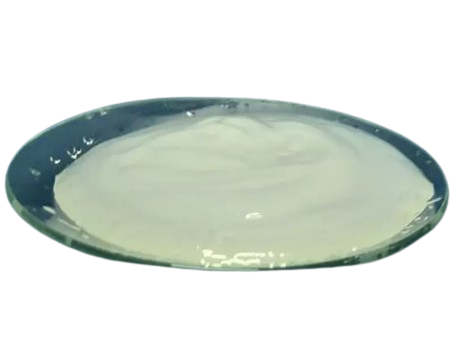
A Healing Revolution: Nanocellulose Hydrogels in Modern Medicine
In the ever-evolving landscape of medical science, the quest for the perfect wound dressing—one that not only protects but actively participates in the healing process—is relentless. For a country like India, with its vast population and a significant burden of chronic diseases like diabetes, the challenge of managing complex wounds is a major public health concern. Enter nanocellulose hydrogels, a groundbreaking biomaterial poised to redefine the standards of advanced wound care. These are not just passive coverings; they are sophisticated, bioactive dressings designed to accelerate tissue regeneration and transform patient outcomes.
Derived from cellulose, the most abundant organic polymer on Earth, nanocellulose combines the best of nature and nanotechnology. When formulated into hydrogels, they create a three-dimensional network that mimics the body's own extracellular matrix. This unique structure can hold a phenomenal amount of water, establishing a moist wound environment—a cornerstone of modern wound healing theory. But their capabilities extend far beyond simple hydration. These hydrogels serve as intelligent platforms for healing, capable of being loaded with antimicrobial agents, growth factors, and other therapeutic compounds. For Indian researchers and clinicians, nanocellulose hydrogels for wound healing applications represent a monumental leap forward, offering a biocompatible, biodegradable, and cost-effective solution to a pressing medical need.
Why Researchers are Championing Nanocellulose Hydrogels
For the scientific community in India and across the globe, nanocellulose hydrogels are a subject of intense research and excitement. Their unique combination of properties makes them an ideal material for developing next-generation medical solutions. Here’s why they are a game-changer for R&D professionals:
- Unmatched Biocompatibility & Biodegradability: Sourced from nature, nanocellulose is inherently non-toxic and biocompatible, minimizing the risk of immune reactions. Its biodegradable nature means the dressing can be safely absorbed by the body over time, eliminating the need for painful removal and reducing patient trauma.
- Superior Mechanical Properties: Despite their high water content, these hydrogels exhibit remarkable mechanical strength and flexibility. They conform perfectly to the wound bed, ensuring complete coverage and protection without restricting movement—a critical factor for patient comfort and compliance.
- High Absorbency and Moisture Regulation: The ability to absorb large volumes of wound exudate is crucial for preventing maceration of surrounding tissue. Nanocellulose hydrogels excel at this, locking away excess fluid while maintaining the optimal moisture level needed for healing acceleration.
- Tunable and Functionalizable Platform: The surface chemistry of nanocellulose is highly versatile, allowing researchers to easily modify it or incorporate other substances. This makes it an ideal vehicle for controlled drug delivery, enabling the release of antibiotics for infection control, anti-inflammatory agents, or growth factors to stimulate tissue regeneration.
Transformative Applications Across Medical Fields
The potential of nanocellulose hydrogels extends far beyond a single use case. Their unique properties open up a world of medical applications, promising innovation in various domains of healthcare.
Chronic Wound Management
For diabetic foot ulcers, venous leg ulcers, and pressure sores, nanocellulose hydrogels provide a superior healing environment. They debride necrotic tissue, manage exudate, prevent infections, and promote granulation tissue formation, making them a cornerstone of advanced wound care.
Burn Treatment
Burn wounds are incredibly painful and susceptible to infection. These hydrogels offer a cooling, soothing effect upon application, while their barrier function protects against pathogens. Their transparency can also allow for continuous monitoring of the wound without removing the dressing.
Surgical and Traumatic Wounds
Post-operative sites and trauma wounds benefit from dressings that reduce scarring and promote clean healing. The scaffold provided by biodegradable hydrogels encourages organized collagen deposition, leading to better cosmetic outcomes and functional tissue recovery.
Tissue Engineering Scaffolds
Beyond wound healing, nanocellulose hydrogels are being explored as scaffolds for engineering complex tissues like cartilage, bone, and even neural tissue. Their ability to mimic the native cellular environment makes them a prime candidate for regenerative medicine's most ambitious goals.
The Indian Perspective: Opportunities and Future Trends
India is uniquely positioned to become a global hub for the development and application of nanocellulose-based technologies. The convergence of a thriving research ecosystem, a vast agricultural base for raw material, and a pressing need for affordable healthcare solutions creates a fertile ground for innovation in nanocellulose hydrogels for wound healing.
A key trend is the focus on creating "smart" bioactive dressings. Indian researchers are actively working on integrating sensors into hydrogel matrices to monitor wound conditions like pH, temperature, and bacterial load in real-time. This would allow for personalized treatment, signaling the need for intervention before complications arise. Another significant area of focus is the use of nanocellulose derived from agricultural waste—such as bagasse from sugarcane or rice straw—which aligns with national sustainability goals and can drastically reduce production costs.
The "Make in India" initiative further fuels this potential. By establishing local manufacturing of high-quality nanocellulose hydrogels, India can reduce its reliance on imported advanced medical supplies, improve healthcare accessibility, and create economic opportunities. As research translates into commercially viable products, we can expect to see these advanced dressings become a standard of care in hospitals and clinics across the nation, marking a new era in wound healing and tissue regeneration.
Frequently Asked Questions
Nanocellulose hydrogels are advanced biomaterials made from cellulose, the most abundant polymer on Earth. They are processed into nanoscale fibrils or crystals and formed into a 3D hydrogel network. This structure can hold vast amounts of water, creating a moist, supportive environment ideal for applications like wound healing and tissue regeneration.
They accelerate healing in several ways: by maintaining a moist wound environment essential for cell growth, providing a physical scaffold for new tissue to form, delivering bioactive molecules directly to the wound site, and offering a protective barrier against infection. Their high biocompatibility and biodegradability also mean they integrate seamlessly with the body's natural healing processes.
Yes, nanocellulose is renowned for its excellent biocompatibility and low cytotoxicity. Derived from natural sources like plants and bacteria, it does not typically provoke an immune response. Its biodegradability ensures that it breaks down into harmless byproducts, eliminating the need for surgical removal after healing.
For India, with its large population and high incidence of chronic wounds (e.g., from diabetes), nanocellulose hydrogels offer an affordable, scalable, and highly effective solution for advanced wound care. Leveraging India's strong agricultural base for raw cellulose materials can also boost local manufacturing and innovation, positioning India as a leader in advanced biomaterials.