An Introduction to Advanced Pharmaceutical Carriers
The field of medicine is on a perpetual quest for smarter, more effective ways to deliver therapeutic agents to the human body. The challenge isn't just discovering new drugs, but ensuring they reach the right place, at the right time, and in the right concentration. This is the core principle of advanced drug delivery systems. For Indian researchers and its booming pharmaceutical industry, mastering these systems is key to developing next-generation treatments that are both more effective and have fewer side effects.
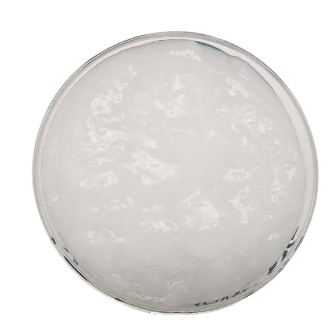
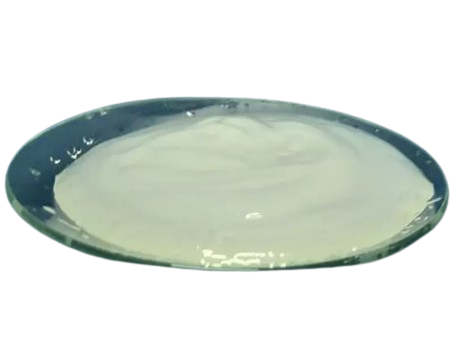
Enter **nanocellulose hydrogels**, a game-changing class of materials at the forefront of this revolution. But what are they? Let's break it down. A **hydrogel** is a three-dimensional network of polymer chains that can absorb and retain vast amounts of water, creating a soft, gel-like substance. **Nanocellulose**, derived from the most abundant organic polymer on Earth, is cellulose processed into nanoscale dimensions. When combined, they form nanocellulose hydrogels: robust, highly absorbent, and incredibly versatile **biocompatible gels**. These are not just simple gels; they are sophisticated **pharmaceutical carriers** capable of holding and releasing drugs in a highly controlled manner, making them a focal point for innovation in **controlled release** and targeted therapies.
Key Benefits for Indian Researchers
For scientists and innovators in India, nanocellulose hydrogels offer a compelling set of advantages that align perfectly with national research and industrial goals.
-
Exceptional Biocompatibility and Safety
Derived from natural cellulose, these hydrogels are inherently biocompatible and biodegradable. They coexist peacefully with human tissues, minimizing toxicity and immune responses, a critical factor for any material intended for medical use.
-
Superior Drug Loading and Sustained Release
The highly porous, high-surface-area network of nanocellulose hydrogels acts like a molecular sponge, enabling high drug loading capacity. This structure facilitates **sustained release**, delivering medication steadily over extended periods, improving patient compliance and therapeutic outcomes.
-
Tunable and Stimuli-Responsive Properties
These are "smart" materials. Researchers can engineer **injectable hydrogels** that are liquid at room temperature but solidify at body temperature, or gels that release their drug payload in response to specific pH levels (like those found in tumor environments), enabling highly **targeted therapy**.
-
Cost-Effectiveness and Sustainability
Cellulose can be sourced abundantly from agricultural biomass and forest residues, which are plentiful in India. This makes nanocellulose a sustainable and potentially low-cost raw material, aligning with the "Make in India" initiative and promoting a circular economy.
Transformative Medical Applications
Targeted Cancer Therapy
One of the most promising applications of nanocellulose hydrogels is in oncology. These **biocompatible gels** can be loaded with potent chemotherapy drugs and injected near a tumor site. The hydrogel then provides a **sustained release** of the drug directly to the cancerous cells, maximizing its efficacy while minimizing the systemic toxicity and debilitating side effects associated with traditional chemotherapy. This is a significant step towards more humane and effective cancer treatment.
Advanced Wound Healing
Nanocellulose hydrogels make for ideal wound dressings. Their ability to maintain a moist environment, absorb exudate, and provide a barrier against infection is unparalleled. Furthermore, they can be loaded with antimicrobial agents, anti-inflammatory drugs, or growth factors to actively promote healing. This is particularly relevant for treating chronic wounds, such as diabetic ulcers, a significant health challenge in India.
Ophthalmic Drug Delivery
Delivering drugs to the eye is notoriously difficult, as blinking and tearing quickly wash away conventional eye drops. **Injectable hydrogels** (or in-situ gelling solutions) based on nanocellulose can solve this problem. They are applied as a liquid but form a soft gel upon contact with the eye's surface, significantly increasing the drug's residence time and ensuring effective absorption for treating conditions like glaucoma or dry eye disease.
Tissue Engineering Scaffolds
Beyond **drug delivery**, these hydrogels serve as excellent scaffolds for tissue regeneration. Their structure mimics the natural extracellular matrix, providing a framework for cells to attach, proliferate, and form new tissue. This opens up possibilities in regenerating bone, cartilage, and skin, marking a new frontier in regenerative medicine.
The Indian Context: A Fertile Ground for Innovation
India stands at a unique crossroads of pharmaceutical prowess, rich biomass resources, and a growing demand for advanced healthcare. This makes the country an ideal ecosystem for pioneering **nanocellulose hydrogels for drug delivery systems**. The "Make in India" campaign strongly encourages domestic production of high-value products, and developing advanced **pharmaceutical carriers** from locally sourced cellulose is a perfect fit. By leveraging its vast agricultural sector to source raw materials, India can create a self-reliant supply chain for these next-generation biomaterials.
Furthermore, the intricate **polymer networks** of nanocellulose hydrogels offer a platform for Indian researchers to innovate. There is immense potential in creating novel formulations that integrate principles of traditional medicine with modern nanotechnology. The development of **injectable hydrogels** for minimally invasive treatments and smart hydrogels for **targeted therapy** represents a significant commercial and scientific opportunity. As research institutions and private players invest in this domain, we can expect to see a surge in patents and products that address India's specific healthcare needs, from affordable cancer care to advanced wound management. The journey from lab-scale research to large-scale manufacturing of these **biocompatible gels** is the next exciting chapter for the Indian pharmaceutical industry.
High-Quality Nanocellulose for Your Research


Frequently Asked Questions
Nanocellulose hydrogels are advanced biomaterials made from cellulose, the most abundant polymer on Earth. They are three-dimensional networks capable of holding large amounts of water, forming stable, biocompatible gels. Their unique properties make them excellent pharmaceutical carriers for controlled drug release.
Yes, nanocellulose is renowned for its excellent biocompatibility and biodegradability. It does not typically cause adverse reactions in the body and breaks down into harmless byproducts. This makes nanocellulose hydrogels highly suitable for various medical applications, including internal use as injectable hydrogels.
Drug release is controlled through several mechanisms. The porous structure of the hydrogel allows for sustained release via diffusion. Furthermore, these gels can be designed to be stimuli-responsive, meaning they change their structure in response to pH, temperature, or enzymes in the body, releasing the drug payload precisely when and where it's needed.
Nanocellulose possesses a unique combination of properties: high surface area for drug loading, tunable mechanical strength, excellent biocompatibility, and the ability to form stable hydrogel networks. Its natural abundance, particularly from sources like agricultural waste in India, also makes it a cost-effective and sustainable choice.
For researchers and industries in India, sourcing high-purity, research-grade nanocellulose is crucial. Hiyka specializes in providing a range of advanced materials, including various grades of nanocellulose like Nano Cellulose Fibrils (CNF) and Cellulose Nanocrystals (CNCs), suitable for developing cutting-edge drug delivery systems.
Ready to Advance Your Research?
Take the next step in developing innovative drug delivery systems. Explore our range of high-purity nanocellulose products or contact our experts to discuss your specific research needs.