
Nanocellulose as a Rheology Modifier in Cosmetic Formulations
Discover the bio-based revolution in personal care, where nanocellulose delivers superior viscosity control and texture enhancement for next-generation products.
Explore NowThe Natural Evolution of Cosmetic Textures
In the dynamic world of cosmetic science, the quest for the perfect texture, stability, and sensory experience is relentless. For researchers and formulators in India, a market increasingly driven by demands for natural and high-performance ingredients, the challenge is to innovate while staying sustainable. Enter **nanocellulose**, a remarkable bio-based material poised to redefine **cosmetic formulations**. This is not just another additive; it's a paradigm shift in how we approach **viscosity control** and product stability.
At its core, a **rheology modifier** is an ingredient that controls the flow characteristics of a liquid. In cosmetics, it's the secret behind a cream that feels rich but not greasy, a lotion that spreads smoothly, and a serum that holds its form. For decades, synthetic polymers have dominated this space. However, as consumers pivot towards 'green chemistry' and sustainable solutions, the industry is looking for powerful, natural alternatives. **Nanocellulose**, derived from abundant plant sources, emerges as a frontrunner, offering unparalleled performance as a **natural stabilizer** and **texture enhancer**.
This article delves into the science and application of **nanocellulose as a rheology modifier in cosmetic formulations**, providing Indian R&D professionals with the insights needed to leverage this advanced material. We will explore its benefits, from superior **viscosity control** to creating unique sensory profiles, and highlight its potential to drive innovation in the Indian personal care industry.
Why Researchers are Turning to Nanocellulose
The advantages of using nanocellulose extend far beyond its 'natural' label. For cosmetic formulators, it offers a suite of functional benefits that can elevate product quality and performance.
-
Exceptional Viscosity Control
Nanocellulose creates a robust 3D network at very low concentrations, providing highly effective thickening. It exhibits shear-thinning behavior, which means products are thick in the container but flow easily upon application, a highly desirable trait for a **lotion thickener** or in **skin creams**.
-
Superior Natural Stabilizer
Its strong network structure effectively suspends particles, pigments, and oil droplets, preventing phase separation and settling in emulsions and suspensions. This makes it an ideal **natural stabilizer** for complex **cosmetic formulations** like sunscreens and foundations.
-
Unique Texture Enhancer
Nanocellulose can create novel textures, from smooth and silky to rich and creamy, without the tackiness often associated with synthetic polymers. This allows for the creation of products with a premium sensory feel, a key differentiator in the personal care market.
-
Sustainable and Bio-Based Ingredient
Derived from renewable resources like wood pulp, nanocellulose is biodegradable and non-toxic. Its use aligns perfectly with the growing consumer demand for environmentally friendly products, making it a powerful marketing story for brands.
Industry Applications in Personal Care
The versatility of **nanocellulose as a rheology modifier** allows for its use across a wide spectrum of personal care products. Here’s how it's making a difference:
Skin Creams and Lotions
As a **lotion thickener** and cream texturizer, nanocellulose provides a rich, luxurious feel without greasiness. It ensures uniform consistency and prevents the separation of oil and water phases, leading to more stable and effective **skin creams**.
Sunscreens
In sunscreen formulations, nanocellulose not only provides **viscosity control** but also helps in uniformly dispersing UV-filter particles (like zinc oxide or titanium dioxide). This can lead to more effective and consistent SPF protection across the skin.
Hair Care (Conditioners & Serums)
Its film-forming properties and ability to control flow make it an excellent **personal care additive** in conditioners and styling products. It can provide a smooth feel, aid in detangling, and offer a light, non-tacky hold.
Color Cosmetics (Foundations & Mascaras)
As a **natural stabilizer**, nanocellulose prevents pigments from settling in liquid foundations and provides the desired thickness and application properties for mascaras, ensuring a clump-free, smooth coating on lashes.
The Nanocellulose Advantage in the Indian Market
The Indian cosmetics and personal care market is at a fascinating crossroads. While affordability remains important, a growing segment of urban consumers is demanding transparency, sustainability, and scientifically-backed natural ingredients. This is where **nanocellulose** presents a significant opportunity for Indian manufacturers and R&D labs.
The trend of "clean beauty" is gaining massive traction in India. Consumers are actively scanning labels to avoid synthetic polymers like carbomers and acrylates. By incorporating a **bio-based ingredient** like nanocellulose, brands can cater directly to this conscious consumer base. Marketing a product as having a "plant-derived **texture enhancer**" or a "**natural stabilizer**" can be a powerful differentiator on crowded store shelves and e-commerce platforms.
Furthermore, for Indian researchers, working with **nanocellulose** opens doors to innovation. There is immense potential to develop novel **cosmetic formulations** tailored to Indian skin types and climatic conditions. Imagine creating a lightweight, hydrating lotion that remains stable in high humidity, or a sunscreen that feels comfortable on the skin without a heavy residue—all made possible by the unique rheological properties of nanocellulose. This advanced material is not just a substitute; it’s an upgrade, offering a pathway to creating premium, eco-conscious personal care products that can compete on a global scale.
Frequently Asked Questions
Nanocellulose is a bio-based ingredient derived from plant cellulose, processed down to the nanoscale. In cosmetics, it's prized as a rheology modifier, meaning it can control the flow, thickness, and texture of products like creams and lotions. Its natural origin and unique properties make it an excellent, sustainable alternative to synthetic polymers.
Nanocellulose forms a highly stable 3D network within a cosmetic formulation. This network effectively traps water, leading to a significant increase in viscosity and providing excellent thickness and body to skin creams. It also exhibits shear-thinning behavior, meaning it becomes less viscous under stress (like rubbing on skin), allowing for smooth application, and then quickly recovers its viscosity, ensuring a rich, non-drip feel.
Yes, absolutely. Nanocellulose is considered a powerful natural stabilizer. Its robust network structure helps to suspend particles, pigments, and oils, preventing them from settling or separating over time. This enhances the shelf-life and consistency of cosmetic formulations, making it a superior bio-based ingredient for creating stable emulsions.
The Indian market is seeing a massive shift towards natural, 'green', and sustainable ingredients. Indian consumers are increasingly ingredient-conscious. As a plant-derived, biodegradable, and highly effective personal care additive, nanocellulose is perfectly positioned to meet this demand. It offers Indian formulators and R&D professionals a chance to innovate and create high-performance, eco-friendly products that appeal to the modern consumer.
Explore Our Nanocellulose Products

Nano Cellulose Crystals
View Product →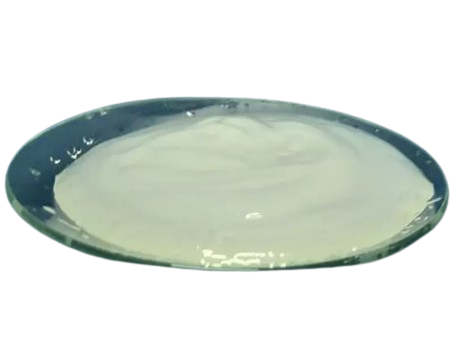
Bacterial Cellulose Dispersion
View Product →
Cellulose Nanocrystals (CNCs)
View Product →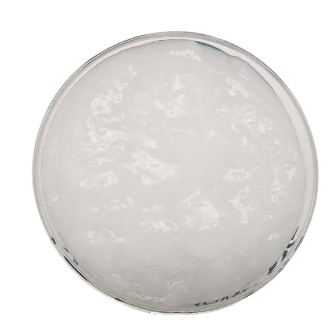
Nano Cellulose Fibrils (CNF)
View Product →Ready to Innovate with Nanocellulose?
Take the next step in creating advanced, sustainable cosmetic formulations. Contact our experts to discuss your project needs or request a sample.
Get in Touch