An Introduction to the Nanoscale Revolution
The world of materials science is witnessing a silent revolution, and at its heart are nano carbides. These microscopic powerhouses, with dimensions on the nanoscale, are redefining the boundaries of strength, durability, and performance across countless industries. For the vibrant research and development community in India, understanding nano carbides is not just an academic pursuit; it's a gateway to pioneering innovations in manufacturing, aerospace, energy, and defense. This article delves deep into nano carbides properties, nano carbides uses, and the burgeoning nano carbides applications that are shaping the future.
At their core, nano carbides are compounds where carbon atoms are bonded with a metal or metalloid element, such as silicon, titanium, or boron. What sets them apart is their size—typically under 100 nanometers. This isn't just a matter of being small; this nanoscale dimension unlocks a host of enhanced physical and chemical properties. The massive surface-area-to-volume ratio leads to increased reactivity and unique quantum effects that are absent in their larger, micro-carbide counterparts. As Indian industries align with global manufacturing trends and the "Make in India" initiative gains momentum, the demand for advanced materials like nano carbides is skyrocketing. This makes nano carbides research a critical field for achieving technological self-reliance and competitive advantage.
The Unmatched Properties of Nano Carbides
The excitement surrounding nano carbides stems from a unique combination of properties that make them ideal for extreme environments. Researchers and engineers value them for the following benefits:
Exceptional Hardness and Wear Resistance
Nano carbides like Boron Carbide (B4C) and Silicon Carbide (SiC) are among the hardest materials known. This makes them perfect for nano carbides in coatings, where they form a protective layer that drastically reduces friction and wear, extending the lifespan of critical components in machinery and engines.
High Thermal and Chemical Stability
These materials can withstand incredibly high temperatures without degrading, making them suitable for applications in furnaces, turbines, and aerospace components. Their chemical inertness also protects against corrosion and oxidation, a vital trait for equipment operating in harsh chemical environments.
Superior Strength-to-Weight Ratio
Nano carbides significantly enhance the strength of composite materials (like metals or polymers) without adding significant weight. This is a game-changer for the automotive and aerospace industries, where reducing weight directly translates to fuel efficiency and performance gains.
Advanced Radiation Shielding Properties
A key area of modern nano carbides research is their effectiveness in blocking harmful radiation. The unique structure of materials like Boron Carbide makes them excellent neutron absorbers. This has critical nano carbides radiation shielding properties, with applications in nuclear reactors, medical imaging facilities, and space exploration, ensuring safety and operational integrity.
A Spectrum of Industry-Defining Applications
The theoretical benefits of nano carbides translate into tangible, high-impact applications across various sectors in India and globally. The versatility of nano carbides uses is a key driver of their market growth.
Advanced Coatings and Abrasives
The most dominant application is in wear-resistant coatings. Tools, drills, and industrial parts coated with a thin layer of Titanium Carbide (TiC) or SiC last many times longer than uncoated ones. This reduces downtime and maintenance costs, a significant factor in India's manufacturing sector. The superior hardness also makes them ideal for precision grinding and polishing.
Aerospace and Defense
From lightweight armor to components for jet engines and rocket nozzles, nano carbides are indispensable. Their ability to withstand extreme heat and pressure is critical. Boron Carbide, for instance, is used in bulletproof vests and tank armor, showcasing the material's life-saving potential.
Energy and Electronics
Silicon Carbide is a wide-bandgap semiconductor, making it more efficient than traditional silicon for high-power electronics used in electric vehicles and renewable energy systems. This is a key area of focus for India's green energy transition. The nano carbides market is seeing significant growth in this segment.
Catalysis and Chemical Processing
The high surface area of nano carbides makes them excellent catalyst supports. They can improve the efficiency of chemical reactions, reducing energy consumption and waste. This is particularly relevant for India's large chemical and petrochemical industries.
Biomedical Devices
The biocompatibility and wear resistance of certain nano carbides make them promising for medical implants, such as artificial joints. Ongoing nano carbides research is exploring their use in drug delivery systems and durable surgical tools.
Nuclear Energy
As mentioned, the nano carbides radiation shielding properties are vital. They are used as control rods and shielding materials in nuclear reactors, contributing to the safety and efficiency of nuclear power generation, a cornerstone of India's energy policy.
The Indian Landscape: Opportunities and Trends
The nano carbides market in India is poised for significant growth, driven by both government initiatives and industrial demand. Key nano carbides trends include a rising focus on domestic nano carbides manufacturing to reduce import dependency. This is supported by a growing ecosystem of research institutions and reliable nano carbides suppliers who can provide high-purity materials for R&D.
One of the most promising trends is the increasing adoption of nano carbides in coatings for the automotive and heavy machinery sectors. As manufacturing processes become more sophisticated, the need for tools that can withstand higher speeds and temperatures grows, making nano carbide coatings a necessity, not a luxury. Furthermore, the comparison of nano carbides vs micro carbides consistently shows the superior performance of nano-scale materials, pushing industries to upgrade their technology. For Indian researchers, this opens up vast opportunities to develop next-generation composites, catalysts, and electronic devices that can compete on a global scale.
Related Nano Carbide Products
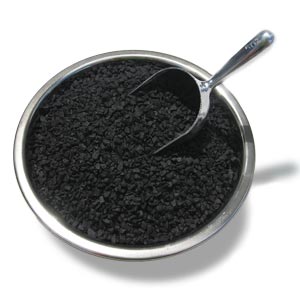
Boron Carbide Nanopowder (1-3microns)
View Product
Silicon Carbide – Nanopowder (50nm)
View Product
Titanium Carbide (100-200nm)
View Product
Zirconium Carbide (50nm)
View ProductFrequently Asked Questions
Ready to Advance Your Research?
Explore our extensive range of high-purity nano carbides and other advanced materials. Partner with us to fuel your next big innovation.
Browse Our Catalog