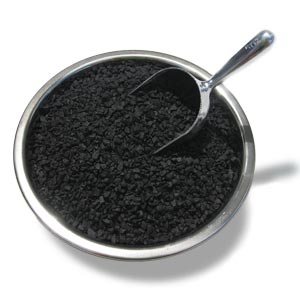
Unlocking a New Era of Durability: An Introduction to Nano Carbides
In the relentless pursuit of stronger, more resilient materials, Indian researchers and industries are turning to the nanoscale. At the forefront of this revolution are nano carbides, a class of advanced materials poised to redefine our standards for durability. But what exactly are they? Imagine taking incredibly hard substances like silicon carbide or titanium carbide and shrinking them down to particles a thousand times smaller than a human hair. At this minuscule scale, these materials exhibit extraordinary properties, making them the perfect ingredient for creating the next generation of scratch-resistant coatings.
For India, a nation rapidly advancing in manufacturing, automotive, and aerospace sectors, the implications are profound. From the smartphone in your pocket to the car you drive and the satellites we launch into space, the demand for surfaces that resist wear, tear, and environmental degradation has never been higher. Conventional coatings often fall short, succumbing to scratches, corrosion, and heat. This is where nano-enhanced coatings step in. By integrating nano carbides into various matrices—be it paints, polymers, or ceramics—we can create surfaces that are not just protected, but fundamentally tougher. This blog delves into the science, applications, and immense potential of nano-coating technology, exploring how it is becoming a cornerstone of innovation for Indian R&D and industry.
Why Researchers are Betting Big on Nanostructured Coatings
The buzz around nano carbides isn't just hype; it's backed by a suite of tangible benefits that are capturing the attention of scientists and engineers across the country. For researchers, these nanoparticles offer a powerful toolkit to engineer materials with precision-tuned properties. Here’s why nanostructured coatings are a game-changer:
- Unprecedented Hardness and Wear Resistance: Nano carbides are among the hardest materials known. When dispersed in a coating, they create a surface that can be harder than steel, drastically reducing damage from abrasion, friction, and everyday scratches.
- Enhanced Thermal Stability: Many industrial processes and high-performance applications involve extreme temperatures. Coatings enhanced with nano carbides, such as silicon carbide, can withstand high heat without degrading, protecting the underlying substrate.
- Superior Chemical and Corrosion Resistance: The dense, inert nature of carbide materials at the nanoscale creates a formidable barrier against corrosive agents like acids, alkalis, and saltwater. This extends the lifespan of components in harsh chemical environments.
- Improved Mechanical Properties: Beyond hardness, these nanoparticles improve the overall mechanical integrity of the coating. They enhance adhesion to the substrate, increase toughness (resistance to cracking), and improve flexibility, preventing the coating from becoming brittle.
- Tailorable Functionality: The beauty of nano-coating technology lies in its versatility. Researchers can select different types of nano carbides and vary their concentration to achieve specific properties, whether it's electrical conductivity, UV resistance, or hydrophobic (water-repellent) surfaces.
From Labs to Industries: Real-World Applications in India
The transition of industrial nanomaterials from research labs to factory floors is accelerating. In India, several key sectors are already harnessing the power of nano carbide coatings to create superior products.
Automotive Sector
Car manufacturers are using nano-enhanced coatings for clear coats on paint to provide exceptional scratch resistance from car washes and road debris. They are also applied to engine components and brake systems to reduce wear and improve fuel efficiency.
Aerospace & Defence
In aerospace, every gram matters. Lightweight coatings containing boron or silicon carbide protect turbine blades from extreme heat and erosion, and provide durable, corrosion-resistant layers for aircraft fuselages, enhancing safety and longevity.
Electronics Manufacturing
The delicate screens of smartphones and tablets are prime candidates for scratch-resistant coatings. Nano carbides are being explored for transparent protective layers that are tougher and thinner than ever before, protecting our gadgets from daily wear.
Cutting Tools and Machinery
The manufacturing industry relies on durable cutting tools. Coating drill bits, milling cutters, and industrial blades with titanium or tungsten carbide nanoparticles drastically increases their lifespan, allowing them to cut harder materials with greater precision for longer.
The Indian Nanotechnology Landscape: Trends and Opportunities
India's focus on self-reliance through initiatives like 'Make in India' and 'Aatmanirbhar Bharat' has created a fertile ground for advanced coating solutions. The government and private sectors are investing heavily in R&D, and nanotechnology is a key focus area. We are witnessing a surge in demand for high-performance materials that can give Indian products a competitive edge in the global market.
One of the most promising trends is the development of eco-friendly, water-based nano-coatings. This addresses environmental concerns associated with traditional solvent-based coatings and aligns with global sustainability goals. Indian research institutions are pioneering new methods for synthesizing nanoparticles and dispersing them effectively, overcoming key technical hurdles. The synergy between academia and industry is crucial, translating laboratory breakthroughs into commercially viable products. As the cost of producing industrial nanomaterials like nanocarbon materials decreases, their adoption is set to become even more widespread, opening up new applications in areas like medical implants, renewable energy (e.g., durable coatings for solar panels), and construction.
Frequently Asked Questions
Nano carbides are nanoparticles of compounds formed between carbon and a metal or metalloid, such as silicon carbide (SiC), titanium carbide (TiC), or tungsten carbide (WC). Their extremely small size (typically under 100 nanometers) gives them unique properties like exceptional hardness, wear resistance, and thermal stability, making them ideal for advanced materials and coatings.
When incorporated into a coating matrix (like a polymer or paint), nano carbides act as a reinforcing agent. They form a dense, interlocking nanostructure that significantly increases the surface hardness and toughness. This nano-enhanced coating can withstand abrasive forces far better than conventional coatings, preventing scratches and wear.
Safety and environmental impact are key areas of research. While the final coated product is generally inert and safe, handling of nanopowders requires strict safety protocols to prevent inhalation. Researchers in India are actively working on green synthesis methods and water-based formulations to reduce the environmental footprint of nano-coating technology.
Currently, the initial cost of nano carbides and the technology to disperse them can be higher than traditional materials. However, the extended lifespan, reduced maintenance, and superior performance of products with nanostructured coatings often result in a lower total cost of ownership, providing significant long-term value.
Sourcing high-purity industrial nanomaterials is crucial for R&D. Companies like Hiyka are dedicated suppliers that provide a wide range of nanoparticles, including various nano carbides like silicon carbide, boron carbide, and zirconium carbide, catering to the specific needs of Indian researchers and industries.