
Introduction: The Nanoscale Revolution in Materials Science
In the world of materials science, a quiet but powerful revolution is underway, driven by materials engineered at the atomic level. At the forefront of this revolution are nano carbides, a class of advanced materials poised to redefine the limits of industrial performance. For Indian researchers, engineers, and industries, understanding the potential of nano carbides is no longer a matter of academic curiosity—it's a strategic imperative. As India pushes forward with initiatives like 'Make in India' and aims to become a global manufacturing hub, leveraging cutting-edge materials like these is crucial.
But what exactly are nano carbides? Simply put, they are ceramic materials composed of carbon atoms bonded with a metal or metalloid (like silicon, tungsten, or titanium), where the particle size is shrunk down to the nanoscale—typically less than 100 nanometers. This isn't just about making things smaller. At this scale, materials exhibit extraordinary properties not seen in their larger, bulk counterparts. These unique nano carbides properties include extreme hardness, exceptional thermal stability, high wear resistance, and unique electronic characteristics. This article delves into the world of nano carbides for industrial research, exploring their synthesis, applications, and the immense opportunities they present for the Indian R&D landscape.
Why Should Indian Researchers Focus on Nano Carbides?
The study and application of nano carbides offer a fertile ground for innovation. For researchers in India's premier institutions and corporate R&D labs, these materials provide significant advantages and opportunities:
- Pushing Performance Boundaries: Nano carbides allow for the creation of composites and coatings that dramatically outperform traditional materials. This opens doors to developing next-generation products with longer lifespans and greater efficiency.
- Interdisciplinary Research: The field of nano carbide synthesis and application is inherently interdisciplinary, bridging chemistry, physics, materials science, and engineering. This fosters collaboration and holistic problem-solving.
- High-Impact Publications: Research into novel synthesis methods and unique nano carbide applications is a high-impact area, leading to publications in prestigious journals and raising the profile of Indian scientific research globally.
- Solving Real-World Industrial Problems: From creating more durable cutting tools for the manufacturing sector to developing efficient catalysts for the chemical industry, nano carbides offer tangible solutions to pressing industrial challenges in India.
- Alignment with National Missions: Research in advanced materials like nano carbides directly supports national goals related to defense, aerospace, renewable energy, and advanced manufacturing, creating opportunities for government funding and strategic partnerships.
Transforming Industries: Key Nano Carbide Applications
The theoretical advantages of nano carbides translate into powerful real-world applications across various sectors. The versatility of these materials is reshaping industries by enabling products that are stronger, lighter, and more resilient.
Wear-Resistant Coatings
One of the most significant nano carbide applications is in protective coatings. When applied to industrial tools, engine parts, or medical implants, nano carbide coatings create an incredibly hard and low-friction surface. This drastically reduces wear and tear, extends the component's life, and improves operational efficiency. Think of drill bits that last ten times longer or engine pistons that operate with less friction and higher fuel economy.
Advanced Cutting Tools
The manufacturing industry relies on precision and durability. Nano carbides, particularly tungsten carbide and titanium carbide, are used to create cutting tool inserts and abrasives. These tools can machine harder materials at higher speeds, leading to faster production cycles and superior surface finishes, a critical factor for India's growing manufacturing sector.
High-Performance Catalysts
In the chemical industry, nano carbides are emerging as highly effective and cost-efficient catalysts. Their unique electronic structure and high surface area make them excellent alternatives to expensive precious metal catalysts (like platinum) in processes such as hydrogenation and petroleum refining. This is a key area for cost reduction and innovation in India's chemical and energy sectors.
Aerospace & Defense Components
The extreme temperature resistance and structural integrity of materials like silicon carbide (SiC) and zirconium carbide (ZrC) make them ideal for aerospace and defense applications. They are used in rocket nozzles, turbine blades, and armor plating, where performance under harsh conditions is non-negotiable. This aligns perfectly with India's strategic goals in space exploration and defense self-reliance.
Opportunities and Trends in the Indian Nano Carbides Market
The nano carbides market in India is on a growth trajectory, fueled by increasing demand from manufacturing, automotive, and aerospace sectors. Several key trends are shaping this landscape. The push for green technology is driving research into nano carbides for energy storage (supercapacitors) and hydrogen production. As global supply chains are reconfigured, there is a significant opportunity for India to become a key player in the production and supply of high-quality nano carbide products.
Furthermore, the government's focus on R&D and the establishment of technology parks and incubation centers are creating a supportive ecosystem for startups and established companies to innovate in the field of nano carbon-based materials. Researchers exploring novel nano carbide synthesis techniques that are scalable and cost-effective will find a receptive market. The key to unlocking the full potential lies in bridging the gap between laboratory research and industrial-scale production. Companies that can master this transition will lead the charge, capitalizing on the numerous nano carbides advantages to create superior products for both domestic and international markets.
Featured Nano Carbide Products for Your Research
To kickstart your research and development, here are some high-quality nano carbide products available for Indian researchers and industries.

Zirconium Carbide (50nm)
View Product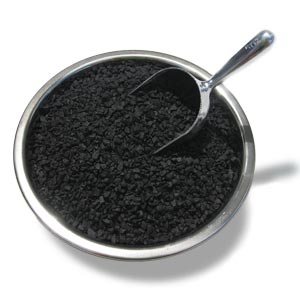
Boron carbide (60nm)
View Product
Silicon Carbide – Nanopowder (50nm)
View Product
Titanium Carbide (100-200nm)
View ProductFrequently Asked Questions
Ready to Advance Your Research?
Explore our comprehensive range of nano carbides and other advanced materials to fuel your next big discovery. Get in touch with our experts to discuss your specific requirements.
Contact Us