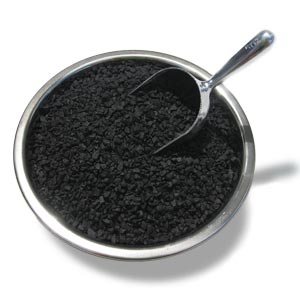
An Introduction to Nano Carbides: The Next Frontier for Indian R&D
In the relentless pursuit of materials that are stronger, lighter, and more durable, a new class of materials has emerged as a frontrunner: Nano Carbides. These are not just incremental improvements; they represent a quantum leap in material science. For India, a nation rapidly cementing its position as a global hub for research, development, and high-tech manufacturing, the advent of advanced carbide materials is a game-changer. From the Indian Space Research Organisation's (ISRO) ambitious missions to the burgeoning domestic defense production, the demand for high-performance materials has never been higher.
So, what exactly are nano carbides? At their core, they are ceramic materials composed of carbon and a metal or metalloid, where the particle size is engineered at the nanoscale (typically less than 100 nanometers). This minute scale is where the magic happens. By manipulating matter at the atomic level, scientists can unlock properties that are impossible to achieve with conventional, bulk materials. Think of the difference between a block of graphite and a graphene sheet; the fundamental element is the same, but the properties are worlds apart. Similarly, nano carbides like Silicon Carbide (SiC), Boron Carbide (B4C), and Titanium Carbide (TiC) exhibit extraordinary hardness, exceptional thermal stability, and superior wear resistance.
For Indian researchers and professionals, understanding and harnessing the potential of nanomaterial coatings and carbide cutting tools is not just an academic exercise. It's about creating tangible solutions that drive industrial growth, enhance strategic capabilities, and foster innovation. This article delves into the world of nano carbides, exploring their benefits, diverse applications, and the immense opportunities they present for the Indian industrial and research landscape.
Key Benefits for Researchers and Industries
The transition to nano-scale materials offers a wealth of advantages. For professionals in R&D and manufacturing, integrating high-performance carbides into their processes can lead to significant breakthroughs. Here are some of the most compelling benefits:
- Unmatched Hardness and Wear Resistance: Nano carbides are among the hardest materials known to man. This makes them ideal for creating durable coatings and cutting tools that can withstand extreme friction and abrasive forces, dramatically extending the lifespan of equipment.
- Superior Thermal and Chemical Stability: These materials can operate under extreme temperatures and in corrosive environments where traditional metals and alloys would fail. This is critical for applications in aerospace, nuclear energy, and chemical processing.
- Enhanced Mechanical Properties: By incorporating nano carbides into composites, engineers can create materials that are both lightweight and incredibly strong. This strength-to-weight ratio is a holy grail for the automotive and aerospace industries, leading to more fuel-efficient vehicles and spacecraft.
- Improved Efficiency and Precision: In manufacturing, carbide cutting tools made with nano-crystalline structures allow for faster, more precise machining. This translates to higher productivity, reduced waste, and superior finishing on final products.
- Catalytic Potential: The high surface area of nano carbides makes them excellent candidates for catalysts in various chemical reactions, opening doors for more efficient and sustainable industrial processes.
Industrial Applications: Where Nano Carbides Shine
Advanced Manufacturing & Tooling
The most significant impact of industrial carbides is in manufacturing. Nano carbide coatings on drill bits, milling cutters, and inserts allow for high-speed machining of hardened steels and superalloys. This precision and durability are vital for India's automotive and heavy machinery sectors.
Aerospace and Defense
From lightweight armor components to heat shields for spacecraft and turbine blades for jet engines, nano ceramics and carbides are indispensable. Their ability to withstand extreme conditions is critical for developing next-generation defense and space exploration technologies in India.
Energy Sector
In the energy sector, nano carbides are used in drilling equipment for their wear resistance (nano carbides drilling equipment materials) and are being researched for use in next-generation nuclear reactors and high-efficiency energy storage systems due to their stability and unique electronic properties.
Electronics and Semiconductors
Silicon Carbide (SiC) is a wide-bandgap semiconductor that is revolutionizing power electronics. SiC-based devices can operate at higher voltages, temperatures, and frequencies than traditional silicon, paving the way for more efficient electric vehicles, solar inverters, and power grids.
Biomedical Applications
The biocompatibility and hardness of certain nano carbides make them suitable for biomedical implants, such as artificial joints and dental implants. Their wear-resistant coatings can significantly prolong the life of these critical medical devices.
Protective Coatings
Nanomaterial coatings based on carbides provide superior protection against corrosion, erosion, and wear. They are applied to everything from industrial machinery and pipelines to consumer products, enhancing their longevity and performance.
The Indian Context: Trends and Opportunities in Advanced Carbide Technologies
The landscape for advanced carbide technologies in India is ripe with opportunity. The 'Make in India' initiative has provided a massive impetus for domestic manufacturing, which inherently relies on advanced materials and tooling. As Indian companies strive to compete on a global scale, the adoption of high-performance materials like nano carbides is no longer a choice but a necessity. The government's focus on building a self-reliant ('Aatmanirbhar Bharat') defense and aerospace ecosystem further fuels the demand for these strategic materials.
Indian research institutions, including the IITs and IISc, are actively engaged in nano carbide research. The focus is on developing cost-effective synthesis methods and exploring novel nano carbide applications tailored to local needs. There is a growing synergy between academia and industry, with startups and established players looking to commercialize cutting-edge research. This collaborative environment is crucial for translating laboratory breakthroughs into industrial-scale production. For young researchers and engineers, this field offers exciting career prospects at the intersection of material science, chemistry, and engineering.
Frequently Asked Questions
Nano carbides are a class of advanced nanomaterials where at least one dimension of the carbide particle is in the nanometer range (typically below 100 nm). This small size gives them exceptionally high surface area-to-volume ratios and quantum effects, leading to superior properties like extreme hardness, high thermal stability, and enhanced catalytic activity compared to their bulk counterparts.
In cutting tools, nano carbides are used as reinforcement phases in composite materials or as thin, ultra-hard coatings. These nanomaterial coatings significantly increase the tool's wear resistance, reduce friction, and allow for higher cutting speeds and longer tool life, which is critical in precision manufacturing industries like aerospace and automotive.
High-performance carbides, especially nano carbides, are crucial for India's growing manufacturing, defense, and aerospace sectors. Their durability and efficiency can lead to significant cost savings, improved product quality, and reduced reliance on imported high-tech materials, aligning perfectly with initiatives like 'Make in India' and 'Aatmanirbhar Bharat'.
The environmental impact of nano carbides is complex. On one hand, their use can lead to more efficient processes, longer-lasting products, and reduced energy consumption, which are positive outcomes. On the other hand, the synthesis of nanomaterials can be energy-intensive, and research is ongoing to ensure their safe disposal and to understand their long-term ecological effects. Sustainable manufacturing practices are a key focus in nano carbide research.