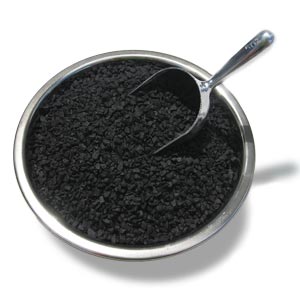
The Dawn of a New Material Age: Understanding Nano Carbides
In the ever-evolving landscape of materials science, few discoveries have generated as much excitement as nanomaterials. Among these, nano carbides stand out as a class of materials with transformative potential. These compounds, which merge carbon with a metal or metalloid at the nanoscale, possess a unique combination of properties: extreme hardness, exceptional thermal stability, and superior wear resistance. For India, a nation rapidly advancing in high-tech manufacturing, research, and development, understanding the intricacies of nano carbide properties and their standardized evaluation is not just an academic exercise—it's a strategic imperative.
The journey from synthesizing a novel material in a lab to its successful application in a commercial product is paved with rigorous testing and validation. This is where nano carbides testing becomes paramount. Without standardized procedures, comparing results between different research groups or ensuring quality control in industrial production would be impossible. This is precisely the role that nano carbides ASTM standards play. By providing a common language and methodology, organizations like ASTM International enable researchers and engineers in India and across the globe to build upon each other's work, accelerating innovation and ensuring product reliability. This guide delves into the critical aspects of nano carbide testing, shedding light on the properties that make these materials so valuable and the standards that govern their evaluation.
Why Indian Researchers Should Focus on Nano Carbide Research
The field of nano carbide research offers a fertile ground for innovation. For scientists and professionals in India's burgeoning R&D sector, focusing on these advanced materials provides numerous strategic advantages:
- Solving Indigenous Industrial Challenges: Developing custom nano carbide-based solutions for sectors like aerospace, defense, and automotive can reduce reliance on expensive imports and create homegrown technologies.
- High-Impact Publications: Research into novel nano carbide synthesis methods and characterization techniques is a hot topic globally, leading to publications in high-impact journals and increased international collaboration.
- Alignment with National Missions: Work on nano carbides aligns perfectly with initiatives like "Make in India" and the "National Mission on Transformative Mobility and Battery Storage," which require advanced materials for next-generation products.
- Developing Future-Ready Skills: Gaining expertise in nano carbides testing methods astm standards equips researchers with skills that are in high demand in both academia and advanced manufacturing industries.
- Patent and Commercialization Opportunities: The unique applications of nano carbides create significant opportunities for patenting new compositions, coatings, and manufacturing processes, leading to technology transfer and commercial success.
From Lab to Life: Key Applications of Nano Carbides
The exceptional nano carbide properties translate into a wide array of practical applications across various industries. Here’s a look at some of the most promising areas where these materials are making a significant impact.
Advanced Cutting Tools & Abrasives
Nano carbides like Tungsten Carbide (WC) and Titanium Carbide (TiC) are integrated into cutting tools to enhance hardness and longevity. This allows for higher precision machining of superalloys used in aerospace and defense, a key focus for Indian manufacturing.
Wear-Resistant Coatings
Components in automotive engines, turbines, and industrial machinery are coated with thin films of nano carbides (e.g., Silicon Carbide, SiC) to drastically reduce friction and wear. This extends component life and improves energy efficiency.
High-Temperature Electronics
Silicon Carbide (SiC) nano-powders are crucial for producing semiconductors that can operate at much higher temperatures and voltages than traditional silicon. This is vital for electric vehicles, renewable energy systems, and 5G communication hardware.
Reinforced Composites
Dispersing nano carbides into polymers, metals, or ceramics creates composite materials with superior strength, stiffness, and thermal stability. These find applications in everything from lightweight armor to high-performance sporting goods.
The Indian Landscape: Opportunities and Market Trends in Nano Carbides
The nano carbides market trends in India are pointing towards significant growth, driven by both government policy and industrial demand. The push for self-reliance in defense and aerospace has created a massive demand for advanced materials that can withstand extreme conditions. This is where the nano carbide manufacturing sector in India has a golden opportunity. By mastering nano carbide synthesis and scaling up production, local suppliers can cater to the needs of organizations like DRDO, ISRO, and HAL.
Furthermore, the electric vehicle (EV) revolution in India is another major catalyst. The performance of EV batteries, power electronics, and motors is heavily dependent on materials that can handle high thermal loads and offer superior electrical properties. Rigorous nano carbide testing is essential to validate materials for these demanding applications. Researchers focusing on developing SiC-based power modules or improving the conductivity of battery electrodes using nano carbide additives are at the forefront of this trend. Collaborations between academic institutions like the IITs and private sector players are crucial to translating this nano carbide research into commercially viable products. Access to reliable nano carbides suppliers who can provide high-purity, well-characterized materials is the final piece of this puzzle, enabling the entire ecosystem to thrive.
Frequently Asked Questions (FAQ)
Nano carbides are a class of nanomaterials composed of carbon atoms and a metal or metalloid. They exhibit exceptionally high hardness, wear resistance, and thermal stability, making them ideal for advanced industrial applications.
ASTM standards provide a universally accepted framework for testing and characterization. Following these standards ensures that data on nano carbide properties is consistent, reliable, and comparable across different laboratories and industries, which is crucial for quality control and research.
While several methods exist, carbothermal reduction and chemical vapor deposition (CVD) are among the most common techniques for nano carbide synthesis. The choice of method depends on the desired particle size, purity, and specific type of nano carbide being produced.
In India, nano carbides are gaining traction in manufacturing cutting tools, developing wear-resistant coatings for automotive and aerospace components, and in the electronics sector for high-performance composites. Their role in defense and energy applications is also a growing area of nano carbide research.