Nano Carbides: Revolutionizing Tunnel Construction in India
Discover how industrial nanomaterials are forging a new era of strength, durability, and efficiency in India's most ambitious infrastructure projects.
Explore NowThe Unseen Force Behind Modern Marvels
India is in the midst of an infrastructure boom. From the Himalayas to the Deccan Plateau, ambitious projects are underway to connect the nation like never before. At the heart of this development lies tunnel construction—a feat of engineering that demands cutting-edge materials capable of withstanding immense pressure and harsh environments. This is where the world of nanotechnology in construction offers a groundbreaking solution: nano carbides.
For Indian researchers, civil engineers, and project managers, understanding the potential of these industrial nanomaterials is no longer a futuristic concept; it's a present-day necessity. Nano carbides, such as Silicon Carbide (SiC), Boron Carbide (B4C), and Titanium Carbide (TiC), are engineered at the molecular level to exhibit properties far superior to their conventional counterparts. When integrated into construction materials, they provide unprecedented strength, wear resistance, and longevity.
This article delves into the transformative applications of nano carbides in tunnel construction, exploring how they are enhancing everything from the durability of tunnel boring machines (TBMs) to the structural integrity of concrete linings. We will examine the specific benefits for the Indian R&D sector and highlight the emerging trends that position India as a key player in the advanced materials landscape.
Why Researchers in India are Turning to Nano Carbides
The adoption of advanced carbides offers a wealth of opportunities for the Indian scientific community. Researchers are pivotal in unlocking the full potential of these materials. Here are the key benefits driving this focus:
-
Pioneering Material Science
Investigating nano carbides allows researchers to work at the forefront of material science, developing next-generation composites with tailored properties for specific geological challenges found in India.
-
Solving Real-World Infrastructure Challenges
Research into nano carbides directly addresses pressing national issues, such as creating more durable roads, stronger bridges, and safer tunnels, contributing significantly to India's 'Make in India' initiative.
-
Increased Funding and Collaboration
The strategic importance of nanotechnology in construction attracts government grants and fosters international collaborations, providing Indian researchers with access to advanced facilities and global expertise.
-
Path to Commercialization
Successful nano carbide research can be patented and commercialized, bridging the gap between academia and industry and creating a thriving ecosystem for high-tech startups and nano carbide manufacturers.
Key Applications in Tunnel Construction
The applications of nano carbides in tunneling are diverse and impactful. By enhancing materials at the nanoscale, engineers can achieve macro-level improvements in performance and safety.
Reinforced Concrete and Shotcrete
Adding small percentages of nano carbides (like SiC) to the concrete mix dramatically increases its compressive strength, abrasion resistance, and impermeability. This is vital for tunnel linings, which must resist water ingress and immense geological pressure, ensuring a longer service life with fewer repairs.
Durable Tunnel Boring Machine (TBM) Cutters
The cutter heads of TBMs face extreme wear and tear. Coating these components with nano carbide composites (e.g., Titanium Carbide) creates an ultra-hard surface that can slice through rock more efficiently, reducing costly downtime for cutter replacement and speeding up the entire excavation process.
High-Performance Grouting Materials
Nano carbides are used to develop advanced grouts for soil stabilization and fissure sealing. These nano-enhanced grouts exhibit superior penetration, bonding strength, and resistance to chemical erosion, ensuring the stability of the ground surrounding the tunnel.
Smart Sensing and Monitoring
The unique electrical properties of certain nano carbides allow for their use in developing embedded sensors within the tunnel structure. These sensors can monitor stress, strain, and temperature in real-time, providing critical data for structural health monitoring and predictive maintenance.
India-Specific Trends and Opportunities
The landscape for nanotechnology in construction in India is rapidly evolving. Several key trends indicate a bright future for nano carbides applications. The Indian government's focus on massive infrastructure projects, such as the Bharatmala Pariyojana and various metro rail networks, creates a sustained demand for high-performance construction materials. This provides a direct market for innovations developed by nano carbide manufacturers and researchers.
Furthermore, there is a growing emphasis on sustainable and green construction practices. Research into eco-friendly synthesis of industrial nanomaterials is gaining traction. Indian institutions are exploring ways to produce advanced carbides with a lower carbon footprint, aligning with national and global sustainability goals. This focus on green technology opens up new avenues for funding and international partnerships.
Access to reliable nano carbides suppliers is becoming easier, enabling R&D labs and construction companies to procure high-purity materials for testing and implementation. The availability of diverse materials, from Boron Carbide nanopowder to Zirconium Carbide, empowers engineers to select the optimal material for each specific application, whether it's for abrasion resistance in Himalayan rock or corrosion protection in coastal tunnels. This robust supply chain is critical for accelerating the adoption of nano materials from the laboratory to the construction site.
Frequently Asked Questions
Nano carbides are a class of advanced nanomaterials composed of carbon and a metal or metalloid, with particle sizes typically under 100 nanometers. Their unique nanoscale properties, such as extreme hardness, high thermal stability, and superior wear resistance, make them highly valuable in industrial applications like construction, electronics, and aerospace.
Nano carbides are used to create ultra-hard coatings for the cutter heads and drilling components of TBMs. This significantly enhances their durability and wear resistance, leading to longer operational life, reduced downtime for maintenance, and faster, more efficient excavation through challenging geological formations.
The environmental impact of nano carbides is an active area of research. While they contribute to sustainability by creating more durable and long-lasting infrastructure (reducing the need for repairs and resource consumption), the production and disposal of nanomaterials require careful management to mitigate potential ecological risks. Researchers in India are focused on developing greener synthesis methods.
Sourcing high-purity industrial nanomaterials is crucial for research and application success. Specialized suppliers like Hiyka provide a wide range of nano carbides, including Silicon Carbide, Boron Carbide, and Titanium Carbide, catering to the specific needs of Indian researchers and construction firms.
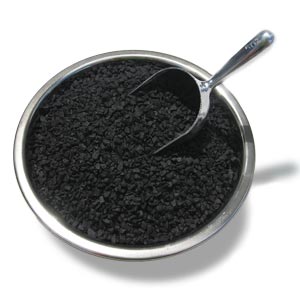
Recommended Nano Carbide Products


Ready to Advance Your Research?
Access a comprehensive range of high-purity nano carbides and other industrial nanomaterials to fuel your next big discovery. Partner with a trusted supplier for the Indian R&D community.
Browse Products