Introduction: The Dawn of Nano Carbides in Indian R&D
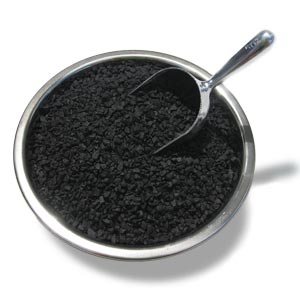
In the ever-evolving landscape of nanotechnology, a new class of materials is capturing the attention of researchers and industrialists across India: Nano Carbides. These are not just incremental improvements; they represent a quantum leap in material science. Comprising compounds of carbon with metals or metalloids, nano carbides like Silicon Carbide (SiC), Titanium Carbide (TiC), and Boron Carbide (B4C) are reduced to the nanoscale, unlocking properties that are simply unattainable in their bulk forms. Their unparalleled hardness, thermal stability, and unique electronic characteristics make them a cornerstone for next-generation technologies.
For the vibrant Indian research and development community, from premier institutions like the IITs and IISc to burgeoning private sector labs, nano carbides offer a fertile ground for innovation. The "Make in India" initiative and the national push for self-reliance in high-tech manufacturing have created a perfect storm. The demand for more sensitive nano sensors, stronger and lighter nanocomposites, and more durable nano coatings is at an all-time high. Nano carbides are the key to meeting this demand, promising to revolutionize sectors from aerospace and defense to healthcare and electronics. This guide delves into the world of nano carbides, exploring their benefits, applications, and the exciting opportunities they present for Indian innovation.
Why Researchers are Turning to Nano Carbides
The unique properties of nano carbides at the nanoscale provide a significant competitive edge in material science research. Here are the key benefits that make them indispensable for developing cutting-edge solutions:
- Exceptional Hardness and Wear Resistance: Nano carbides are among the hardest materials known. This makes them perfect for creating durable nano coatings that protect surfaces from abrasion and wear, dramatically increasing the lifespan of tools and components.
- High Thermal and Chemical Stability: These materials can withstand extreme temperatures and harsh chemical environments without degrading. This is crucial for applications in aerospace, automotive engines, and chemical processing plants where reliability is paramount.
- Superior Electronic Properties: The high surface-area-to-volume ratio in nanoparticles of carbides leads to enhanced electronic and catalytic properties. This is the secret behind their effectiveness in nano sensors, where they provide unprecedented sensitivity and selectivity for detecting gases, chemicals, and biological markers.
- Enhanced Mechanical Strength: When integrated into polymers, metals, or ceramics, nano carbides create nanocomposites with significantly improved strength, stiffness, and fracture toughness, all while keeping the material lightweight.
- Tunable Properties: Researchers can fine-tune the properties of nano carbides by controlling their size, shape, and composition, allowing for the custom design of materials tailored to specific applications, from biocompatible implants to efficient catalysts.
Industry Applications Across India
Advanced Nano Sensors
Nano carbides are at the heart of next-gen sensor technology. Their high sensitivity makes them ideal for environmental monitoring (detecting pollutants), medical diagnostics (biosensors), and industrial safety (gas leak detection). Indian startups and research institutes are leveraging these materials to create low-cost, high-performance sensing devices.
High-Performance Nano Coatings
From cutting tools used in India's manufacturing sector to turbine blades in power plants, nano carbide coatings provide a shield against wear and corrosion. This translates to lower maintenance costs, improved efficiency, and longer operational life for critical machinery.
Lightweight Nanocomposites
India's aerospace and automotive industries are constantly seeking stronger, lighter materials. By reinforcing polymers with nano carbides, manufacturers can produce components that reduce vehicle weight, improve fuel efficiency, and enhance safety without compromising on strength.
Biomedical Devices and Implants
The biocompatibility and hardness of certain nano carbides make them suitable for coating medical implants like artificial joints. These nano coatings reduce wear and prevent the release of harmful ions into the body, improving patient outcomes and implant longevity.
India-Specific Trends & Opportunities
The trajectory for nanotechnology in India is pointing sharply upwards, with nano carbides for sensor development becoming a focal point. The Indian government's Nano Mission has been instrumental in funding research and fostering an ecosystem of innovation. A key trend is the development of indigenous production capabilities for high-purity nanoparticles, reducing reliance on imports and making advanced materials more accessible to local researchers and industries.
Furthermore, there's a growing synergy between academia and industry. Research labs are increasingly collaborating with manufacturing firms to translate laboratory breakthroughs into commercial products. This is particularly evident in the field of nanocomposites and nano coatings, where the demand for performance enhancement is immediate and tangible. For young researchers and professionals in India, this opens up immense opportunities. Expertise in synthesizing and characterizing nanostructures like nano carbides is a highly sought-after skill. The future lies in creating sustainable and cost-effective methods for producing these materials at scale, unlocking their potential to solve some of India’s most pressing challenges in energy, environment, and healthcare.
Frequently Asked Questions
Your questions about Nano Carbides, answered.
Nano carbides are a class of ceramic nanomaterials composed of carbon atoms bonded with a metal or metalloid element, such as silicon, titanium, or tungsten. Their particle size is typically below 100 nanometers, which grants them exceptional properties like extreme hardness, high thermal conductivity, and chemical stability, making them superior to their bulk counterparts.
In nano sensors, nano carbides are used to enhance sensitivity and selectivity. Their high surface-area-to-volume ratio allows for more interaction sites with target analytes. For instance, silicon carbide (SiC) and titanium carbide (TiC) nanowires are used in gas sensors and biosensors due to their excellent electronic properties and stability in harsh environments, enabling the detection of minute quantities of substances.
Yes, but with standard safety protocols for handling nanomaterials. This includes using personal protective equipment (PPE) like gloves, safety glasses, and lab coats. Work should be conducted in a well-ventilated area or under a fume hood to prevent inhalation of nanoparticles. Researchers should consult the Material Safety Data Sheet (MSDS) for specific handling and disposal instructions for each type of nano carbide.
Nano carbides are ideal for nano coatings due to their exceptional hardness, wear resistance, and thermal stability. When applied as a thin film, they create a protective barrier that can withstand extreme temperatures, abrasion, and corrosion. This makes them invaluable for coating cutting tools, aerospace components, and biomedical implants, significantly extending the lifespan and performance of the underlying material.