The Dawn of a New Era: Nanotechnology in Construction
India's ambition to build world-class infrastructure is no secret. From sprawling smart cities to extensive national highways, the demand for stronger, smarter, and more sustainable construction materials has never been higher. This is where nanotechnology in construction emerges as a game-changer. At the forefront of this revolution are nano carbides, a class of advanced materials poised to redefine the limits of structural engineering. For Indian researchers, engineers, and construction professionals, understanding the potential of these materials is not just an academic exercise—it's a crucial step towards building the future.
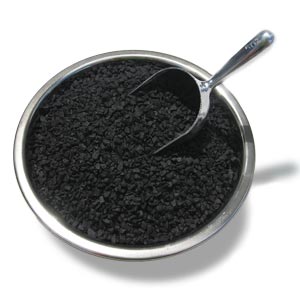
Traditionally, the construction industry has relied on materials like concrete and steel. While effective, they have limitations in terms of strength, durability, and environmental impact. The introduction of nano materials in construction offers a paradigm shift. By manipulating matter at the nanoscale (typically below 100 nanometers), scientists can engineer materials with unprecedented properties. Nano carbides, such as Silicon Carbide (SiC), Titanium Carbide (TiC), and Boron Carbide (B4C), are prime examples. When integrated into composites, these tiny particles create nano composite materials with superior strength-to-weight ratios, enhanced thermal resistance, and remarkable durability, directly addressing the core challenges faced by the modern construction industry.
Unlocking Superior Performance: Key Benefits for Researchers and Engineers
The integration of nano carbides into construction materials offers a multitude of benefits that are of particular interest to the Indian R&D community. These advantages translate directly into more resilient and efficient infrastructure projects.
- Exceptional Mechanical Properties: The primary allure of nano carbides' mechanical properties is their incredible hardness and strength. Adding even a small percentage of nano carbides to cement or polymer composites can dramatically increase compressive and flexural strength, making structures more resistant to stress and load.
- Enhanced Durability and Longevity: Nano carbides help create a denser, less porous material matrix. This significantly reduces the ingress of water, chlorides, and other corrosive agents, thereby preventing premature degradation of concrete and steel reinforcements—a critical factor for infrastructure in India's diverse and often harsh climates.
- Improved Thermal and Fire Resistance: Materials like Silicon Carbide are known for their high thermal stability. Incorporating them into building materials enhances fire resistance, a vital safety consideration for high-rise buildings and critical infrastructure like tunnels and bridges.
- Lightweight Construction: By achieving higher strength with less material, nano composite materials enable the design of lighter, more elegant structures. This not only reduces the dead load on foundations but also cuts down on transportation costs and the overall carbon footprint of a project.
- Smart Functionalities: The unique electrical properties of some nano carbides open doors for "smart concrete." These materials can be engineered to sense stress, strain, and cracks, allowing for real-time structural health monitoring—a revolutionary concept for maintaining critical assets like bridges and dams.
From Lab to Landmark: Real-World Applications in Indian Infrastructure
The theoretical benefits of nano carbides are already translating into practical, high-impact applications across the construction sector. Here’s how these advanced materials are making their mark:
High-Performance Concrete (HPC)
Incorporating nano carbides into concrete mixes results in Ultra-High-Performance Concrete (UHPC) with exceptional strength and minimal permeability. This is ideal for constructing skyscrapers, long-span bridges (a key area for nano carbides bridge construction applications), and nuclear containment structures that demand the highest levels of safety and durability.
Protective Coatings and Sealants
Nano carbide-based coatings provide superior protection against abrasion, corrosion, and UV radiation. These are being used to coat steel structures, pipelines, and concrete surfaces, significantly extending their service life and reducing maintenance costs for the burgeoning nano materials industry.
Self-Healing and Smart Materials
Research is underway to use nano carbides in self-healing concrete, where microcracks are autonomously repaired. Furthermore, their conductive properties are being harnessed to create concrete that can de-ice runways or pavements, showcasing true nano materials innovations.
Advanced Asphalt and Pavements
Adding nano materials to asphalt mixtures can improve their resistance to rutting, fatigue, and thermal cracking. This leads to longer-lasting roads that can withstand India's heavy traffic loads and extreme weather variations, a testament to the practical side of nanocarbon applications.
The Indian Context: Trends, Challenges, and the Road Ahead
India's push for 'Make in India' and its focus on developing robust infrastructure creates a fertile ground for the adoption of advanced nano carbides. Several government initiatives, such as the National Infrastructure Pipeline (NIP), implicitly call for innovative materials that can deliver performance and longevity. Indian research institutions and universities are actively investigating the synthesis and application of nano materials in construction, aiming to develop cost-effective solutions tailored to local conditions and resources.
However, challenges remain. The primary hurdle is the cost and scale of production. Sourcing consistent, high-quality materials is crucial, which is why reliable nano carbide suppliers are essential partners for both researchers and industry players. Another challenge is the need for standardized testing protocols and construction guidelines for nano-enhanced materials. As the nano materials industry matures in India, collaborative efforts between academia, industry, and regulatory bodies will be vital to mainstreaming these technologies.
The future trend points towards 'green nanotechnology'—developing nano carbides through environmentally friendly processes and using them to build sustainable, energy-efficient 'green buildings'. As awareness grows, the demand for these advanced nano composite materials will undoubtedly surge, making it a pivotal moment for Indian innovators to lead the way.