
A New Frontier in Environmental Cleanup
India, a nation witnessing rapid industrialization and urbanization, stands at a critical environmental crossroads. The very engines of our economic growth—factories, agriculture, and sprawling cities—have unfortunately led to unprecedented levels of pollution in our rivers, air, and soil. Traditional methods of environmental cleanup often fall short; they can be slow, expensive, and sometimes generate secondary pollutants. This is where the world of nanotechnology, specifically **nano carbides**, presents a paradigm shift for Indian researchers and industries.
Nano carbides are advanced materials engineered at the nanoscale, combining carbon with metals like silicon, titanium, or zirconium. This unique combination results in materials with extraordinary properties: immense surface area, superior catalytic activity, and remarkable chemical stability. For India's R&D sector, **nano carbides environmental remediation** is not just a research trend; it is a vital tool in the national mission for a cleaner, healthier environment. These tiny powerhouses have the potential to neutralize industrial effluents, remove toxic heavy metals from drinking water, and break down harmful air pollutants with unparalleled efficiency.
This article delves into the transformative potential of **nano carbides applications** in the Indian context. We will explore their synthesis, the unique advantages they offer to our scientific community, and the promising opportunities they unlock for a sustainable industrial future. For professionals in materials science, environmental engineering, and chemical research, understanding **nano carbide technology** is no longer optional—it's essential for driving innovation and solving real-world problems.
Why Researchers in India are Turning to Nano Carbides
The scientific community in India is increasingly focused on developing cost-effective and scalable solutions for environmental issues. Nano carbides offer a compelling set of advantages that align perfectly with these goals.
- Enhanced Catalytic Efficiency: The high surface-area-to-volume ratio of nano carbides provides more active sites for chemical reactions. This means pollutants can be degraded much faster and more completely than with conventional catalysts, a critical factor for treating large volumes of industrial waste.
- Superior Adsorption Capacity: The unique surface chemistry of materials like silicon carbide and boron carbide nanopowders makes them excellent adsorbents for heavy metals (e.g., lead, arsenic, mercury) and organic dyes, which are major pollutants in India's water bodies.
- Chemical and Thermal Stability: Nano carbides can withstand harsh chemical environments and high temperatures. This durability makes them reusable and suitable for demanding industrial processes, leading to lower operational costs and a more sustainable remediation cycle.
- Versatility in Synthesis and Application: Researchers can tune the properties of nano carbides during the **nano carbides synthesis** process to target specific pollutants. This versatility allows for the development of customized solutions for diverse environmental challenges, from treating tannery wastewater to purifying vehicular emissions.

Key Industry Applications of Nano Carbides
Wastewater Treatment & Water Purification
Nano carbides are exceptionally effective in removing contaminants from industrial wastewater. For instance, titanium carbide and silicon carbide nanoparticles can act as catalysts in Advanced Oxidation Processes (AOPs) to break down persistent organic pollutants (POPs) like pesticides and pharmaceuticals. Their high adsorption capacity is also leveraged in filters to remove heavy metal ions, providing a robust solution for ensuring safe drinking water, a key priority under India's Jal Jeevan Mission.
Air Pollution Control
In a country battling severe air pollution, **uses of nano carbides** in catalysis are a beacon of hope. They can be integrated into catalytic converters for vehicles and industrial chimneys to efficiently convert toxic gases like carbon monoxide (CO) and nitrogen oxides (NOx) into harmless substances such as CO2 and N2. This application of **nano carbide technology** directly addresses the urban air quality crisis faced by many Indian cities.
Soil and Groundwater Remediation
Contaminated soil from industrial sites and agricultural runoff poses a long-term threat. Injecting nano carbide slurries into the ground can create reactive barriers that neutralize contaminants in situ. For example, they can dechlorinate harmful solvents and immobilize heavy metals, preventing them from leaching into groundwater sources and protecting the agricultural food chain.
Opportunities and Research Trends in India
The landscape of **nano carbides research trends** in India is vibrant and full of potential. The "Make in India" initiative and the push for self-reliance in technology are creating a fertile ground for domestic innovation in materials science. Institutions like the IITs, IISc, and CSIR labs are at the forefront of developing novel **nano carbides synthesis** methods that are not only efficient but also environmentally friendly, often referred to as 'green synthesis'.
One of the most significant trends is the development of nano carbide composites. By embedding nano carbides into polymer membranes or ceramic filters, researchers are creating next-generation purification systems that are more durable and effective. The **advantages of nano carbides** in such composites include improved mechanical strength and enhanced catalytic activity. There is a growing focus on the **environmental remediation nano carbides** can achieve when tailored for specific Indian industries, such as textiles (for dye removal) and leather (for chromium remediation).
Furthermore, government funding through agencies like the Department of Science and Technology (DST) is encouraging startups and academic labs to translate their research into commercial products. The market for **nano carbides in industry** is projected to grow substantially, driven by stringent environmental regulations and a rising corporate consciousness towards sustainability. For young researchers and professionals, this field represents a unique opportunity to contribute to national goals while working on cutting-edge technology.
Frequently Asked Questions
Nano carbides are a class of nanomaterials composed of carbon and a metal or metalloid, with particle sizes typically ranging from 1 to 100 nanometers. Their unique properties, such as high surface area, exceptional hardness, and chemical stability, make them highly effective for various industrial and environmental applications.
Nano carbides are used in environmental remediation as powerful catalysts and adsorbents. They can break down persistent organic pollutants, remove heavy metals from water, and convert harmful gases into less toxic substances. Their high surface-area-to-volume ratio allows for more efficient and faster cleanup of contaminated sites.
The environmental impact of nano carbides is an active area of research. While they are effective for remediation, it is crucial to study their long-term effects on ecosystems. Indian researchers are focused on developing 'green' synthesis methods and ensuring that the application of these nanomaterials is sustainable and does not lead to secondary pollution.
The primary challenges include scaling up synthesis processes to be cost-effective, developing standardized protocols for their application, and addressing potential environmental and health concerns. Bridging the gap between laboratory research and large-scale industrial implementation requires significant investment, policy support, and interdisciplinary collaboration.
Related Nano Carbide Products

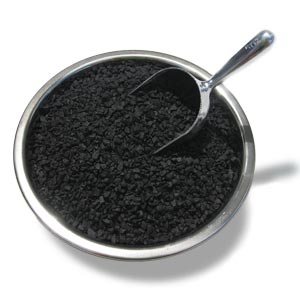
Advance Your Research with High-Purity Nano Carbides
Ready to explore the potential of nano carbides in your own research or industrial application? Find the highest quality materials to fuel your innovation.
Browse Our Products