The Dawn of a New Era: Nano Carbides in Indian Healthcare
India, a global powerhouse in pharmaceuticals and research, stands at the cusp of a healthcare revolution driven by nanotechnology. At the heart of this transformation are nano carbides, a class of advanced nanomaterials poised to redefine therapeutic strategies. These incredibly small yet powerful particles are opening new frontiers in drug delivery systems, offering unprecedented precision and efficacy. For Indian researchers and professionals, understanding the nuances of these materials is no longer a matter of academic curiosity; it is a critical step towards developing indigenous, cost-effective, and highly efficient healthcare solutions for the nation's most pressing medical challenges.
The core challenge in modern medicine isn't just discovering new drugs, but ensuring they reach their intended target in the body without causing collateral damage. Conventional drug delivery methods often fall short, leading to systemic toxicity and reduced therapeutic outcomes. This is where nanobased therapeutic systems come into play. By engineering carriers at the nanoscale, we can control the release, targeting, and bioavailability of drugs with remarkable accuracy. Nano carbides, with their unique physicochemical properties—such as extreme hardness, chemical inertness, and tunable surface chemistry—are emerging as frontrunners in this domain. From silicon carbide (SiC) to titanium carbide (TiC) and boron carbide (B4C), these nano materials are being explored for their potential to carry everything from chemotherapy agents to delicate gene therapies, heralding a new age of personalized medicine.
Why Researchers are Turning to Nano Carbides
The adoption of nano carbides in drug delivery research is driven by a compelling set of advantages that address the limitations of traditional and other nano-based systems.
-
Enhanced Biocompatibility and Low Toxicity
Many nano carbides, particularly silicon carbide, exhibit excellent biocompatibility. Their inert nature prevents unwanted reactions within the body, ensuring that the therapeutic payload is delivered without causing adverse immune responses, a critical factor for chronic treatments.
-
High Drug Loading Capacity
The high surface-area-to-volume ratio of nanocrystals for drugs and nano carbide structures allows for a significant amount of therapeutic agent to be loaded onto each particle. This increases the efficiency of the delivery system, meaning smaller doses can achieve greater therapeutic effects.
-
Tunable Surface for Targeted Delivery
The surface of nano carbides can be easily functionalized—a process of attaching specific molecules (ligands) that act like a navigation system. This allows the nanoparticles to specifically target diseased cells, such as cancer cells, leaving healthy tissue unharmed. This is the cornerstone of modern nanotechnology in medicine.
-
Controlled and Sustained Release
Advanced carbide technology allows for the design of nano-carriers that release their drug payload in response to specific triggers (like pH or temperature changes) found in the target environment. This ensures a sustained release over time, improving patient compliance and treatment outcomes.
Industry Applications: From Lab to Life
Oncology and Cancer Therapy
This is perhaps the most promising area for nano carbides for drug delivery systems. By loading nanoparticles with potent anti-cancer drugs and targeting them to tumors, researchers can achieve higher drug concentrations at the tumor site while drastically reducing the debilitating side effects of chemotherapy. The use of nanocarbon structures in photothermal therapy, where nanoparticles absorb light to generate heat and destroy cancer cells, is another exciting avenue being explored in Indian labs.
Neurodegenerative Diseases
Treating diseases like Alzheimer's and Parkinson's is complicated by the blood-brain barrier (BBB), which prevents most drugs from reaching the brain. Functionalized nano carbides are being designed to be small enough and "smart" enough to cross the BBB, delivering neuroprotective agents directly to the affected brain regions. This represents a monumental leap in neurology and offers hope to millions.
Antimicrobial Applications
With the rise of antibiotic-resistant bacteria, there is an urgent need for new antimicrobial strategies. Certain nano carbides have intrinsic antimicrobial properties or can be used to deliver antimicrobial agents more effectively to the site of infection. Their application in wound dressings and medical implants can prevent biofilm formation and reduce hospital-acquired infections, a significant concern in India's healthcare system.
Bio-imaging and Diagnostics
Beyond therapy, the unique optical properties of some nano carbides make them excellent contrast agents for advanced medical imaging techniques like MRI and fluorescence imaging. By combining diagnostics and therapeutics into a single platform (known as "theranostics"), clinicians can visualize a tumor, deliver a drug, and monitor the treatment response in real-time, personalizing medicine like never before.
The Indian Landscape: Opportunities and Future Trends
The landscape for advanced nanomaterials research in India is vibrant and rapidly evolving. The "Make in India" initiative and a strong push for self-reliance in critical technologies have created a fertile ground for innovation in nanotechnology. Premier institutions like the IITs, IISc Bangalore, and NIPERs are spearheading research into carbide applications for healthcare. The focus is increasingly on developing scalable and cost-effective synthesis methods for nano carbides, which is crucial for their commercial viability. Furthermore, there is a growing trend towards creating multi-functional nanobased therapeutic systems that can simultaneously diagnose and treat diseases.
Collaboration between academia and the burgeoning Indian biotech industry is key to translating laboratory breakthroughs into clinical realities. Start-ups are emerging that specialize in synthesizing and functionalizing nano materials for biomedical use. The government's increased funding for nanotechnology projects signals a strong belief in the potential of this field to solve uniquely Indian challenges, such as affordable cancer care and combating infectious diseases. For young researchers and professionals, this translates into immense opportunities to contribute to cutting-edge science and make a tangible impact on public health. The future of medicine is small, and with its prowess in both IT and pharmaceuticals, India is perfectly positioned to lead the charge in the era of nano carbides and targeted drug delivery.
Frequently Asked Questions
Nano carbides are nanoscale ceramic materials known for their exceptional hardness, high thermal conductivity, and chemical stability. In drug delivery, their importance stems from their biocompatibility, high surface area for drug loading, and the ability to be functionalized for targeted delivery, making them ideal carriers for nanobased therapeutic systems.
Nano carbides can be surface-modified with specific ligands (like antibodies or peptides) that recognize and bind to receptors overexpressed on cancer cells or other diseased tissues. This targeting mechanism ensures that the therapeutic agent is released precisely where it's needed, minimizing side effects on healthy cells and enhancing treatment efficacy.
Extensive research is focused on the biocompatibility and toxicology of nano materials. Many nano carbides, such as silicon carbide and titanium carbide, have shown excellent biocompatibility. However, like all nanomaterials, their safety profile depends on factors like size, shape, concentration, and surface chemistry. Ongoing research in India and globally continues to establish safety protocols for their clinical use.
Indian researchers and institutions are at the forefront of nanotechnology and advanced nanomaterials research. They are actively involved in synthesizing novel nano carbide structures, developing new functionalization techniques, and conducting pre-clinical studies for applications in drug delivery, bio-imaging, and diagnostics. Government initiatives like 'Make in India' and funding from agencies like DST and DBT are further boosting this innovation ecosystem.
Explore Related Nano Carbide Products

Silicon Carbide – Nanopowder (50nm)
View Product →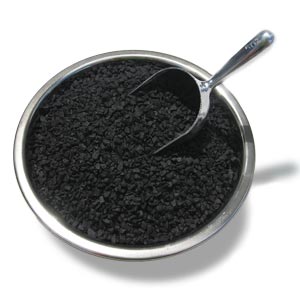
Boron carbide (60nm)
View Product →
Zirconium Carbide (50nm)
View Product →
Titanium Carbide (100-200nm)
View Product →Ready to Advance Your Research?
Connect with us to source high-purity nano carbides and other advanced materials for your drug delivery research. Let's innovate together.
Get in Touch