The Dawn of a Materials Revolution in India
In the bustling landscape of Indian research and development, a quiet revolution is taking place at the atomic level. This revolution is driven by Nano Carbides, a class of nanomaterials poised to redefine the boundaries of engineering and technology. For researchers, engineers, and visionaries across India, understanding these materials is no longer optional—it's essential for staying at the forefront of innovation. From the "Make in India" initiative to the push for self-reliance in strategic sectors, advanced materials like nano carbides are the foundational pillars upon which the nation's high-tech future is being built.
So, what exactly are these materials? Imagine substances so hard they can cut through steel with ease, yet so small they are invisible to the naked eye. Nano carbides, such as silicon carbide (SiC), titanium carbide (TiC), and boron carbide (B4C), are compounds of carbon with a metal or metalloid, engineered to have particle sizes under 100 nanometers. This nanoscale dimension unlocks extraordinary properties: unparalleled hardness, exceptional thermal stability, superior electrical conductivity, and remarkable chemical inertness. These are not just incremental improvements; they represent a quantum leap in material science, offering performance characteristics that conventional materials simply cannot match. For Nanomaterials India, this is a pivotal moment, transitioning from theoretical research to tangible, high-impact applications.
The relevance of Advanced Carbide Technology to Indian industry cannot be overstated. As the country aims to become a global manufacturing hub, the demand for high-performance materials that can withstand extreme conditions is skyrocketing. In aerospace, nano carbides are used to create lightweight yet incredibly strong components. In electronics, they are enabling the development of more efficient and durable semiconductors. In the energy sector, they enhance the performance of catalysts and batteries. This surge in demand is also fueling the rise of Carbide Startups India, creating a vibrant ecosystem of innovation and enterprise dedicated to harnessing the power of these advanced materials.
Why Researchers are Turning to Nano Carbides
For the Indian scientific community, nano carbides offer a fertile ground for discovery and innovation. Here are the key benefits that make them a primary focus in labs across the country:
- Unprecedented Performance: Access materials with properties that push the limits of physics. Superhard nano carbides, for instance, offer hardness second only to diamond, opening doors for novel cutting tools and wear-resistant nano coatings.
- Customizable Properties: By controlling particle size, morphology, and composition, researchers can fine-tune the material's properties to meet the precise demands of a specific application, be it for electronics or aerospace.
- Enhanced Durability and Lifespan: Incorporating nanostructured carbide materials into composites or as coatings can dramatically increase the service life of components, reducing waste and maintenance costs—a key goal for sustainable engineering.
- Miniaturization Potential: In the field of electronics and MEMS (Micro-Electro-Mechanical Systems), the small size and superior properties of nano carbides are critical for developing smaller, faster, and more robust devices.
- Catalytic Efficiency: Certain nano carbides exhibit excellent catalytic activity, providing a cost-effective and more stable alternative to precious metal catalysts in various chemical processes, aligning with India's green chemistry initiatives.
Transforming Industries: Nano Carbide Applications in Action
Aerospace & Defense
In the demanding world of aerospace, every gram counts. Nano carbides are used to create lightweight composites that are stronger than steel. Nano coatings made from these materials protect critical components from extreme heat and friction during atmospheric re-entry, making space travel safer and more efficient. For India's burgeoning space program and defense sector, these nanomaterials for aerospace are indispensable.
Electronics & Semiconductors
The future of electronics is smaller, faster, and more powerful. Nano carbides in electronics, particularly silicon carbide, are at the heart of this evolution. They are used to manufacture next-generation power electronics that can handle higher voltages and temperatures, crucial for electric vehicles (EVs), 5G technology, and renewable energy systems. Their superior thermal conductivity helps dissipate heat, a major challenge in modern microchips.
Cutting Tools & Abrasives
The exceptional hardness of nano carbon compounds like tungsten carbide and boron carbide makes them perfect for manufacturing high-performance cutting tools and abrasives. Tools coated with superhard nano carbides can machine the toughest alloys with precision and have a significantly longer lifespan, boosting productivity and quality in India's manufacturing sector.
Energy Sector
As India pushes towards a sustainable energy future, nano carbides are playing a vital role. They are being explored as efficient and low-cost electrocatalysts for fuel cells and water splitting (hydrogen production). Their application in improving the capacity and stability of batteries is also a promising area of research, supporting the nation's ambitious EV goals.
Biomedical Applications
The biocompatibility and hardness of certain nano carbides make them suitable for biomedical implants, such as artificial joints and dental implants. Their wear-resistant properties ensure longevity, while their inertness prevents adverse reactions within the body. This opens up new avenues for advanced medical technology made in India.
Advanced Protective Coatings
Beyond cutting tools, nano carbide coatings are used to protect a vast range of industrial components from corrosion, wear, and high temperatures. From automotive engine parts to industrial machinery, these coatings act as an invisible shield, drastically reducing maintenance downtime and replacement costs, a significant boon for the industrial backbone of India.
The Indian Landscape: Opportunities and Future Trends
The ecosystem for nanomaterials in India is rapidly maturing, driven by government initiatives, academic research, and a burgeoning startup culture. The "National Mission on Nanoscience and Nanotechnology" has laid a strong foundation, fostering R&D and creating a skilled workforce. This has led to a significant increase in the number of nano carbides startup companies in India, which are translating laboratory breakthroughs into commercially viable products.
A key trend is the focus on sustainable and green synthesis methods for producing nano carbides. Indian researchers are pioneering cost-effective techniques that reduce environmental impact, aligning with global sustainability goals. This focus on green technology not only enhances India's reputation as a responsible innovator but also opens up new export markets for its high-performance carbides.
Furthermore, the synergy between academia and industry is strengthening. Institutions like the IITs and IISc are collaborating closely with private players to develop bespoke nano carbide applications. This collaboration is crucial for bridging the gap between research and industrial deployment, ensuring that India can fully capitalize on the potential of advanced carbide technologies. The future will likely see nano carbides integrated into smart materials, advanced sensors, and even in environmental remediation solutions, cementing India's position as a leader in the field.
Frequently Asked Questions
Nano carbides are a class of advanced nanomaterials composed of carbon and a metal or metalloid, with particle sizes typically under 100 nanometers. Their unique nanoscale structure gives them exceptional properties like extreme hardness, high thermal stability, and superior conductivity, making them ideal for high-performance applications.
For India, a nation rapidly advancing in technology and manufacturing, nano carbides are a game-changer. They are crucial for developing next-generation technologies in strategic sectors like aerospace, defense, electronics, and green energy. The growth of carbide startups in India is a testament to their economic and technological importance.
Nano carbide coatings are widely used to enhance the durability and performance of industrial tools, automotive parts, and aerospace components. These superhard nano carbides create wear-resistant, corrosion-resistant, and low-friction surfaces, significantly extending the lifespan and efficiency of the coated parts.
Indian researchers and professionals can source high-purity nano carbides and other advanced materials from specialized suppliers like Hiyka. These platforms provide a wide range of nanomaterials tailored for R&D and industrial applications, supporting the growth of advanced carbide technology in the country.
Explore Related Nano Carbide Products

Zirconium Carbide (5-7microns)
View Product →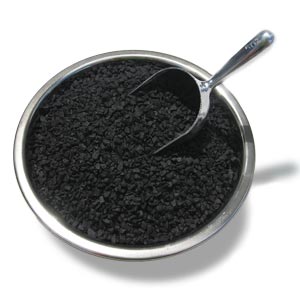
Boron Carbide Nanopowder (1-3microns)
View Product →
Silicon Carbide (1-2microns)
View Product →
Silicon Carbide – Nanopowder (15microns)
View Product →Ready to Innovate with Nano Carbides?
Join the forefront of material science. Whether you are conducting groundbreaking research or developing next-generation products, we have the high-purity nanomaterials you need. Contact us to discuss your specific requirements.
Get in Touch