
An Introduction to Nano Carbides: The Future of Materials
In the relentless pursuit of innovation, the field of materials science has unlocked a new frontier: nanotechnology. At the forefront of this revolution are nano carbides, a class of materials poised to redefine industries across the globe. These are not just smaller versions of conventional carbides; they are materials with fundamentally enhanced properties, born from the precise engineering of matter at the atomic scale. For Indian researchers, engineers, and industries striving for global competitiveness, understanding and harnessing the power of nano carbides is no longer optional—it's essential.
But what exactly are nano carbides? Simply put, they are ceramic compounds where carbon is combined with a metal or metalloid, with a particle size in the nanometer range (typically 1-100 nm). This nanoscale dimension is the key to their extraordinary abilities. By shrinking the particle size, we dramatically increase the surface-area-to-volume ratio, leading to superior hardness, exceptional thermal stability, unique electronic properties, and enhanced catalytic activity. This guide delves into the core aspects of nano carbide manufacturing, explores their remarkable properties, and showcases their diverse applications, with a special focus on the burgeoning Indian R&D and industrial landscape.
Unveiling the Extraordinary Properties of Nano Carbides
The transition from micro to nano-scale unlocks a treasure trove of properties that make nano carbides highly sought after. For researchers, these benefits translate into creating next-generation products that are stronger, lighter, and more efficient. Here are some of the key nano carbide properties:
Extreme Hardness & Wear Resistance
Nano carbides like Silicon Carbide (SiC) and Tungsten Carbide (WC) are among the hardest materials known. This makes them ideal for creating durable coatings, cutting tools, and abrasives that can withstand extreme friction and wear, significantly extending the lifespan of components.
High Thermal & Chemical Stability
These materials can endure incredibly high temperatures and harsh chemical environments without degrading. This property is critical for applications in aerospace (rocket nozzles, thermal shielding) and chemical processing industries where components face extreme conditions.
Superior Electrical & Thermal Conductivity
Certain nano carbides exhibit excellent conductivity. This is vital for nano carbides in electronics, where they are used to create efficient heat sinks and advanced semiconductors for high-power devices, contributing to miniaturization and improved performance.
Enhanced Catalytic Activity
The high surface area of nano carbides makes them effective catalysts or catalyst supports. They can accelerate chemical reactions, leading to more efficient and sustainable industrial processes, a key area of nano carbide research.
Revolutionizing Industries: Key Nano Carbide Applications
The theoretical benefits of nano carbides translate into tangible, game-changing applications across numerous sectors. As India's manufacturing and technology sectors advance, the adoption of these materials is set to accelerate.
Advanced Coatings & Composites
One of the largest nano carbide applications is in creating ultra-hard coatings. When applied to surfaces of tools, engine parts, or medical implants, these nano carbides for coatings drastically reduce wear and corrosion. They are also used to reinforce metals and polymers, creating composite materials that are both lightweight and incredibly strong, perfect for automotive and aerospace industries.
High-Performance Electronics
The unique semiconducting properties of Silicon Carbide (SiC) nanopowders are driving a revolution in power electronics. They enable the creation of smaller, faster, and more efficient transistors and diodes that can handle higher voltages and temperatures than traditional silicon, crucial for electric vehicles (EVs), renewable energy systems, and 5G communications infrastructure.
Cutting Tools and Abrasives
The exceptional hardness of nano carbides makes them a primary component in high-performance cutting tools and grinding wheels. Incorporating nano-sized particles leads to tools with a finer, more durable cutting edge, enabling precision machining of hard materials like steel alloys and ceramics with greater speed and accuracy.
Energy Storage & Conversion
Nano carbide research is actively exploring their use in energy applications. Their high surface area and conductivity make them promising materials for supercapacitor electrodes and as supports for catalysts in fuel cells, potentially leading to more efficient and longer-lasting energy storage solutions.
Biomedical Devices
Due to their biocompatibility and wear resistance, nano carbides like Titanium Carbide (TiC) are used as coatings for medical implants such as artificial joints and dental implants. This reduces wear and tear and improves the longevity and safety of the devices within the human body.
Catalysis
Nano carbides, particularly those of tungsten and molybdenum, have shown catalytic properties similar to expensive noble metals like platinum. This opens up cost-effective possibilities for their use in various chemical reactions, including hydrogenation and dehydrogenation processes, vital for the petroleum and chemical industries.
The Nano Carbide Market in India: Trends and Opportunities
The nano carbide market in India is on an upward trajectory, driven by government initiatives like "Make in India" and a strong push towards indigenous R&D. As the country's manufacturing, automotive, and electronics sectors expand, so does the demand for high-performance materials. Key nano carbide trends indicate a significant opportunity for both researchers and businesses.
One of the most critical aspects for market growth is establishing robust nano carbides quality control standards. Ensuring consistent particle size, purity, and morphology is paramount for high-tech applications. This is where reliable nano carbides suppliers play a pivotal role. They bridge the gap between advanced nano carbide manufacturing techniques and the end-users who require materials with certified specifications. For Indian companies, sourcing high-quality nano carbides locally or through trusted platforms can provide a significant competitive edge, reducing dependency on imports and fostering a domestic ecosystem for advanced materials.
The growing focus on electric mobility and renewable energy is another major driver. The demand for Silicon Carbide nano powders for power electronics in EV chargers and solar inverters is expected to surge. Furthermore, the Indian aerospace and defense sectors are increasingly looking for lightweight, high-strength composites, creating another significant market for nano carbide-reinforced materials. Researchers in premier institutions are actively engaged in nano carbide research, exploring novel synthesis methods and applications, paving the way for a self-reliant and innovative future in materials science.
Related Nano Carbide Products
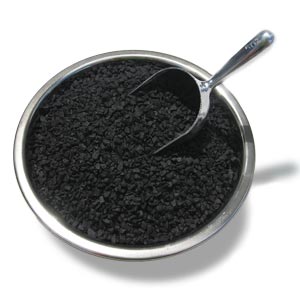
Explore a selection of high-quality nano carbides and related materials available for your research and industrial needs.


Frequently Asked Questions
Ready to Advance Your Research?
Connect with leading suppliers and get the high-quality nano carbides you need for your next innovative project. Explore our extensive catalog today.
Find Nano Carbide Suppliers