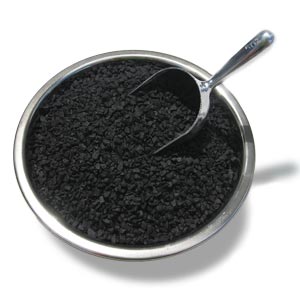
The Unseen Revolution: How Nano Carbides are Redefining Automotive Engineering
In the relentless pursuit of automotive excellence, engineers and researchers are constantly seeking materials that push the boundaries of performance, efficiency, and durability. Enter nano carbides, a class of advanced materials poised to become a cornerstone of the next generation of vehicles. For Indian researchers and professionals in the automotive industry, understanding the properties and applications of nano carbides is no longer optional—it's essential for driving innovation and maintaining a competitive edge in a rapidly evolving global market.
At their core, nano carbides are compounds of carbon and a metal (like titanium, tungsten, or silicon) engineered at the nanoscale—typically below 100 nanometers. This incredibly small size unlocks a host of extraordinary properties not seen in their bulk counterparts. Imagine engine components that barely wear out, braking systems with unprecedented stopping power, and protective coatings that are virtually impervious to corrosion and abrasion. This isn't science fiction; it's the tangible impact of integrating nano carbides in automotive applications.
As India solidifies its position as a global automotive hub, the focus is shifting from volume manufacturing to high-value R&D. Initiatives like 'Make in India' and the push for electric mobility create a fertile ground for advanced materials science. This article delves deep into the world of nano carbides, exploring their benefits, diverse applications, and the burgeoning market opportunities for Indian innovators.
Why Researchers and Engineers are Turning to Nano Carbides
The buzz around nano carbides isn't just hype. Their adoption offers a multitude of tangible benefits that directly address some of the most pressing challenges in the automotive industry. For researchers, these materials open up new avenues for experimentation and product development.
- Exceptional Hardness and Wear Resistance: Nano carbides like silicon carbide (SiC) and boron carbide (B4C) are among the hardest materials known. When integrated into composites or used as coatings, they drastically reduce friction and wear on critical moving parts, extending component lifespan by orders of magnitude.
- High Thermal Stability: Automotive components, especially in the engine and exhaust systems, operate under extreme temperatures. Nano carbides maintain their structural integrity and performance at very high temperatures, preventing material degradation and ensuring reliability.
- Superior Strength-to-Weight Ratio: By reinforcing lightweight alloys (like aluminum or magnesium) with nano carbides, manufacturers can create composite materials that are as strong as steel but significantly lighter. This is crucial for improving fuel efficiency and, in the case of EVs, extending battery range.
- Enhanced Frictional Performance: In applications like brake pads and clutches, nano carbides provide a stable coefficient of friction, ensuring consistent and reliable performance under various conditions, which directly translates to improved vehicle safety.
- Chemical Inertness and Corrosion Resistance: Nano carbide coatings create an impermeable barrier that protects underlying metal parts from rust, oxidation, and chemical attack from fuels, oils, and environmental factors.
Putting Theory into Practice: Key Nano Carbide Applications in Automotive
The unique properties of nano carbides translate into a wide array of practical applications across the vehicle. Let's explore some of the most impactful uses that are currently being researched and implemented.
Engine and Drivetrain Components
The heart of the vehicle is a prime candidate for nano carbide enhancement. Coatings of Titanium Carbide (TiC) or Tungsten Carbide (WC) on pistons, cylinders, bearings, and gears create ultra-low friction surfaces. This leads to reduced energy loss, better fuel economy, lower operating temperatures, and a significant increase in engine longevity.
Advanced Braking Systems
Safety is paramount. Adding Silicon Carbide (SiC) nano-powder to brake pad composites results in superior thermal stability, preventing brake fade during heavy use. These brakes offer more consistent stopping power, produce less brake dust, and have a much longer service life compared to traditional organic or metallic pads.
Durable Protective Coatings
Beyond performance, aesthetics and durability matter. Nano carbide-infused clear coats provide unparalleled scratch and UV resistance, keeping the vehicle's paint pristine for longer. They are also used to coat underbody parts and exhaust systems, offering robust protection against corrosion from road salt and moisture.
Lightweight Structural Composites
The quest for lighter vehicles gets a boost from nano carbide-reinforced metal matrix composites (MMCs). By dispersing nano carbides in aluminum or magnesium alloys, engineers can create materials for chassis and body components that are lighter without compromising on strength or safety, a critical factor for both ICE and electric vehicles.
The Indian Horizon: Trends and Opportunities in the Nano Carbides Market
The nano carbides market in India is on a steep growth trajectory, driven by the nation's expanding automotive manufacturing and R&D sectors. For Indian researchers, engineers, and businesses, this presents a golden opportunity. The demand for high-performance materials is surging, particularly with the government's focus on electric vehicles (EVs) through policies like the FAME (Faster Adoption and Manufacturing of Hybrid and Electric Vehicles) scheme.
In EVs, nano carbides are critical for creating lightweight components to offset heavy battery packs and for enhancing the durability of electric motor parts. As domestic battery manufacturing scales up, the use of nano carbides in battery casings and thermal management systems will also become more prevalent. Aspiring researchers can focus their efforts on developing novel nano carbide composites tailored for EV applications, a field ripe for innovation.
Finding reliable nano carbides suppliers is a crucial step for any research or manufacturing endeavor. The availability of high-purity, consistently manufactured nano powders is key to achieving desired material properties. As the industry matures, a robust local supply chain for these advanced materials will be vital for India to reduce import dependency and foster self-reliance in this high-tech domain. The intersection of materials science and automotive engineering has never been more exciting in India, and nano carbides are right at the center of this revolution.